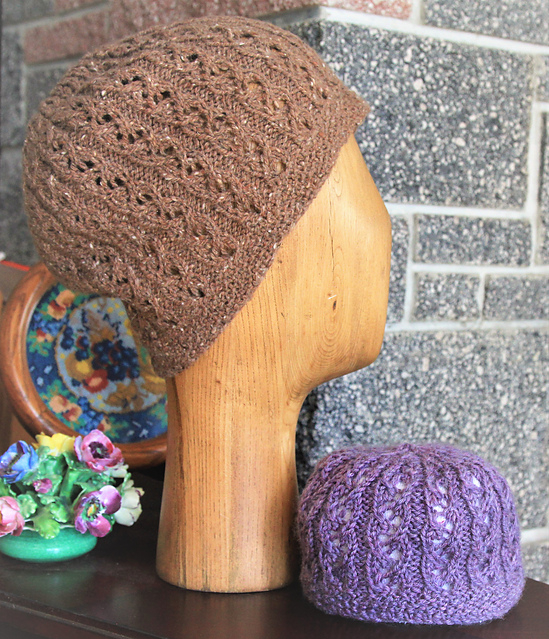
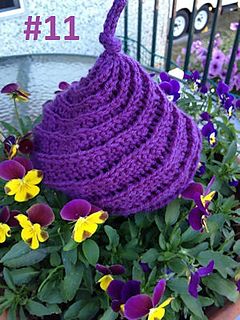
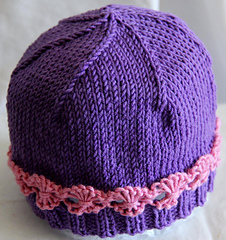
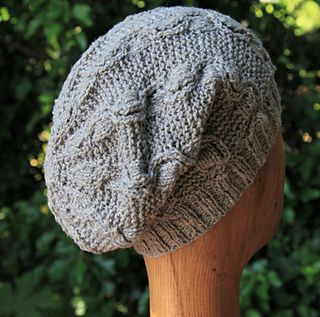
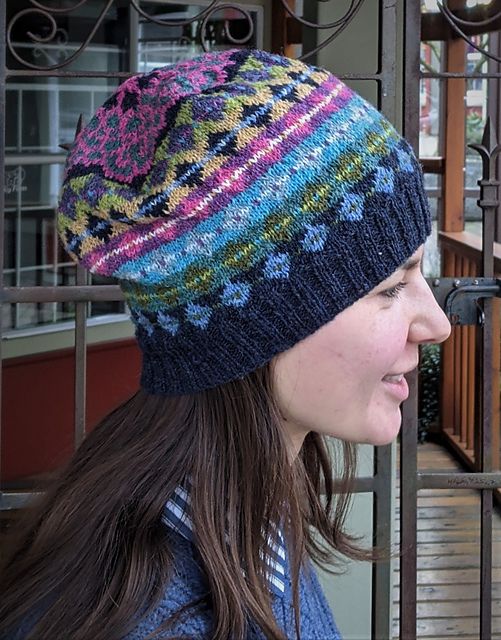
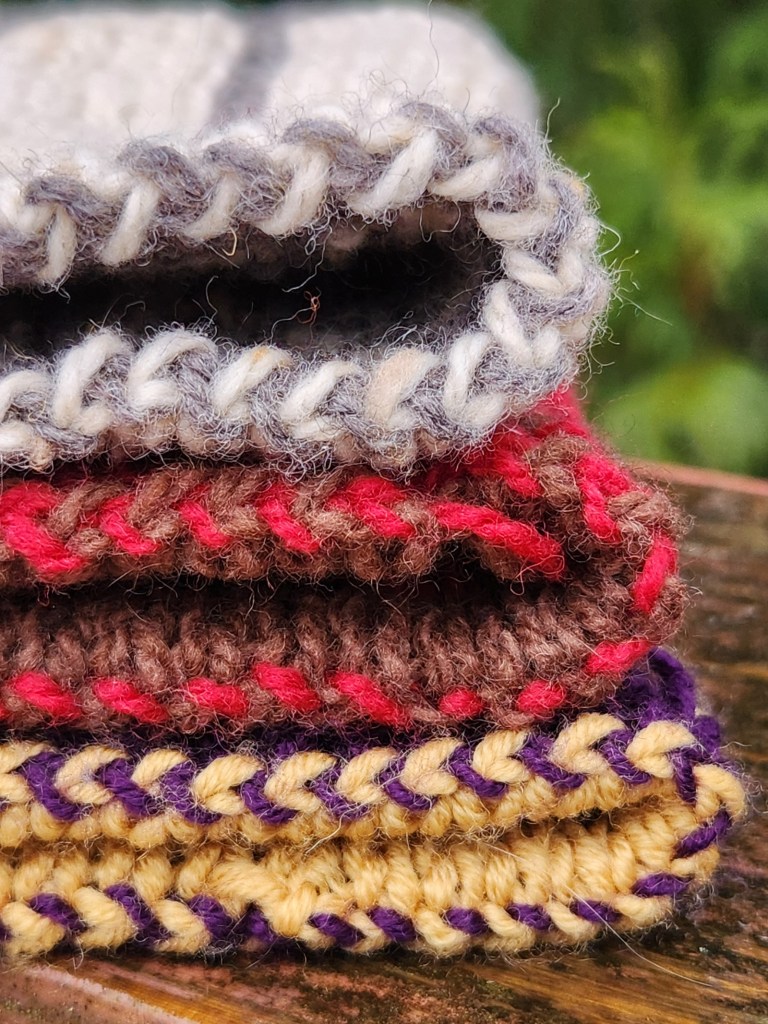
Here are a few of my free patterns that I have loaded up onto the site just for you to download as you please. All gathered up onto a single page.
If the downloads do not work – please let me know. I have tested the links but things do happen.
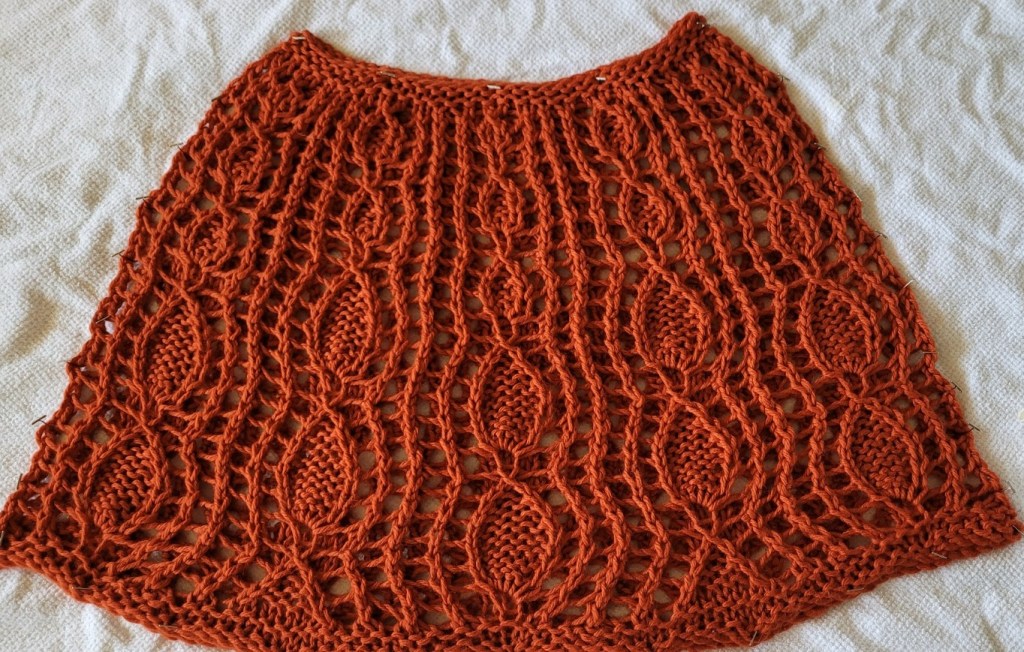
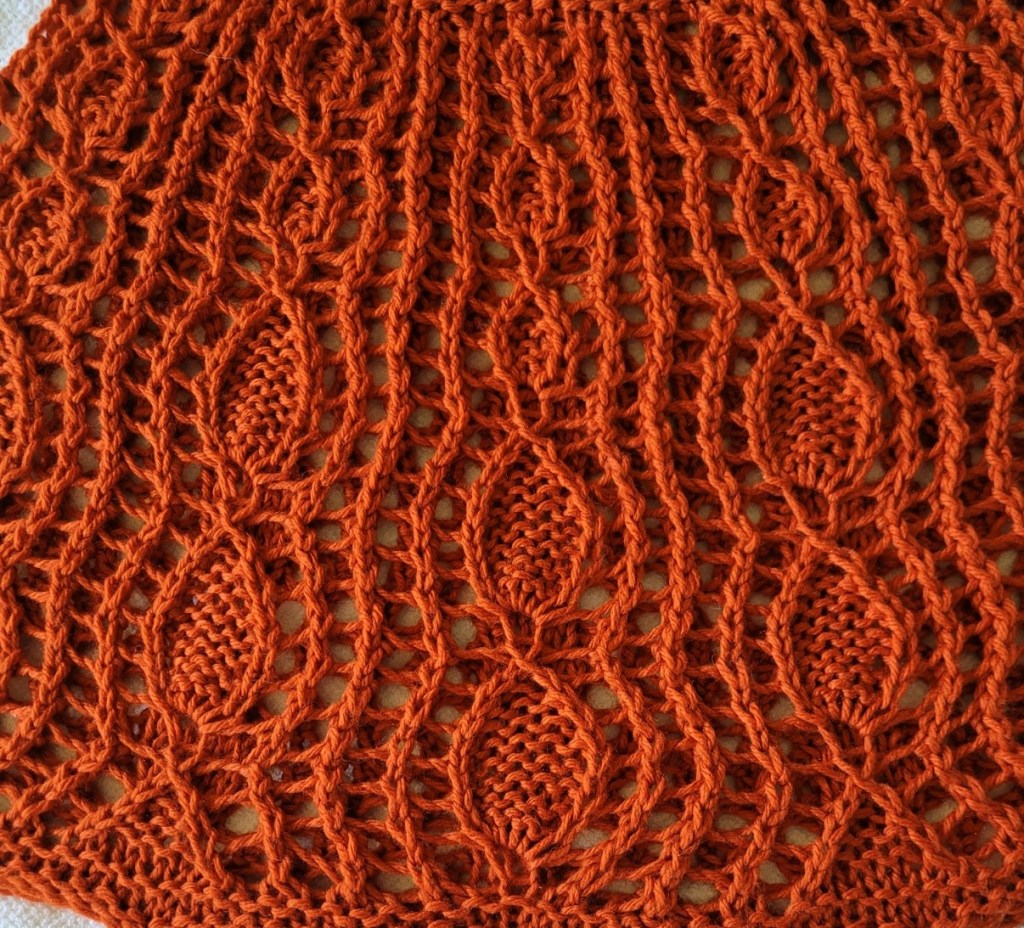
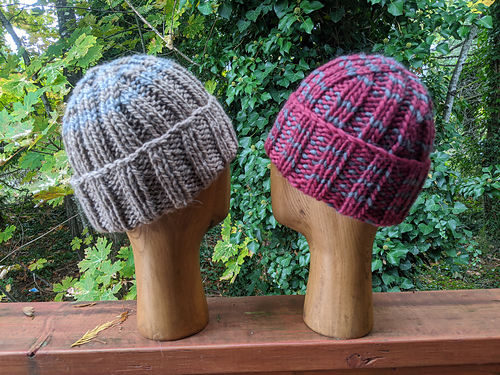
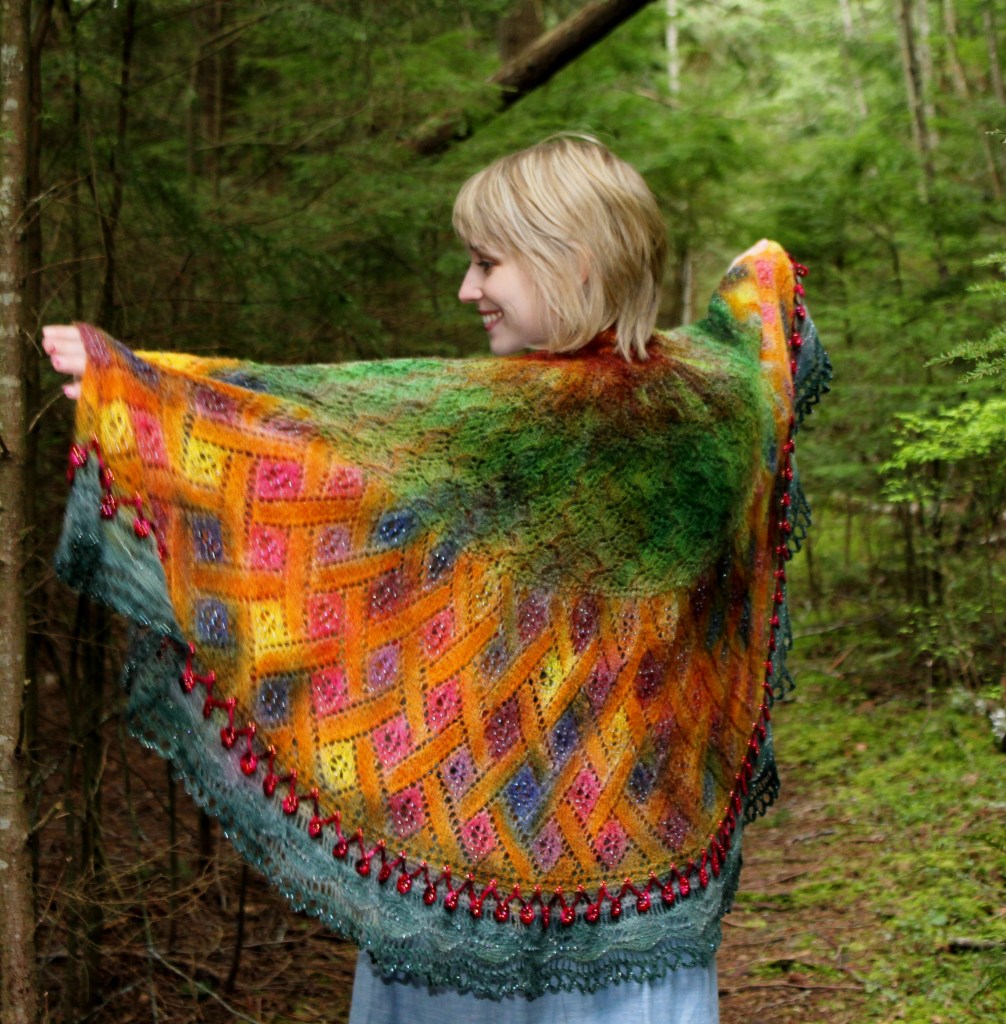
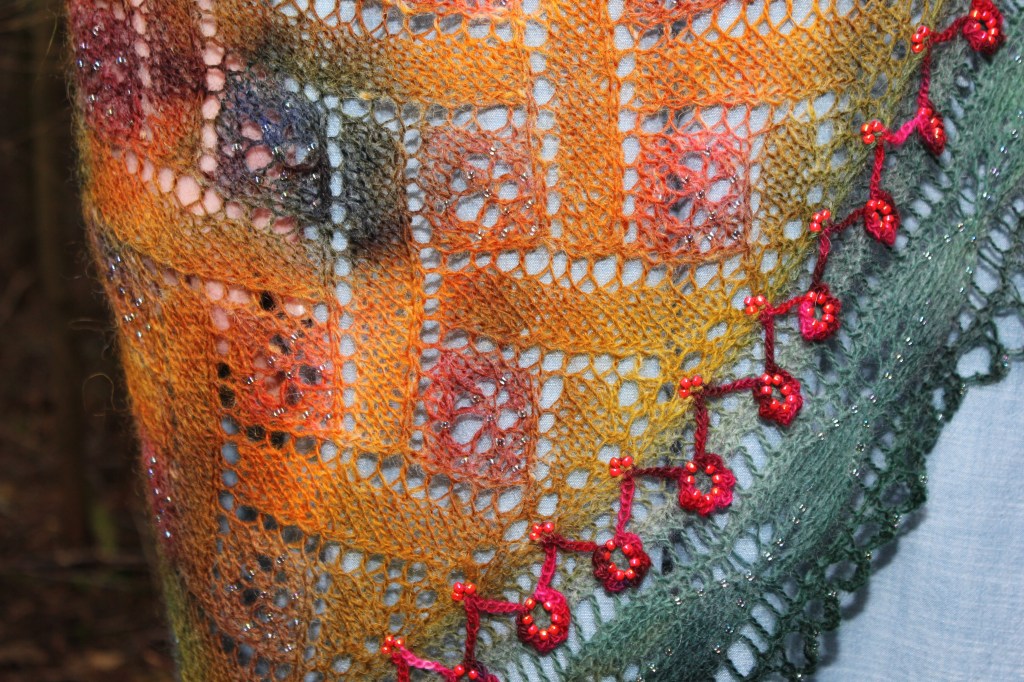
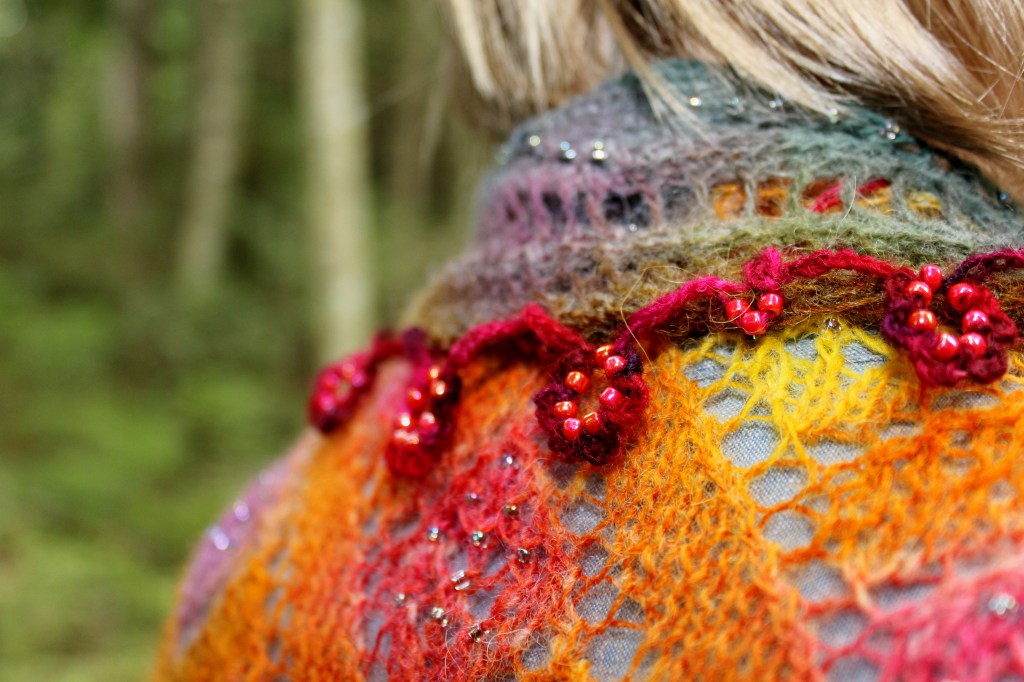
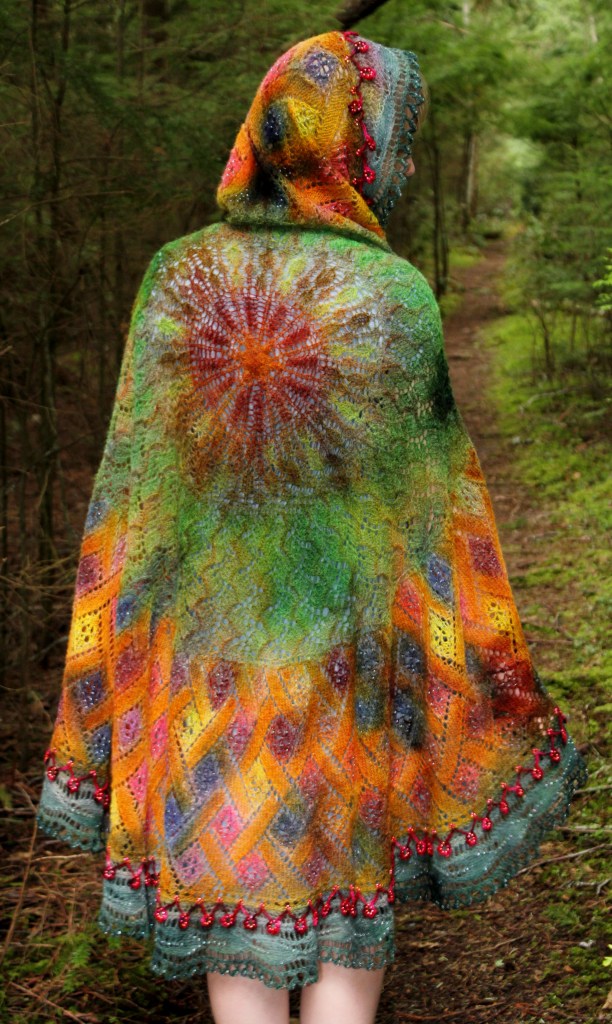
If it is purple I designed the hats for the purple hat campaign. The orange poncho is called Tears for the Children. To commemorate the lost children of the Residential Schools.
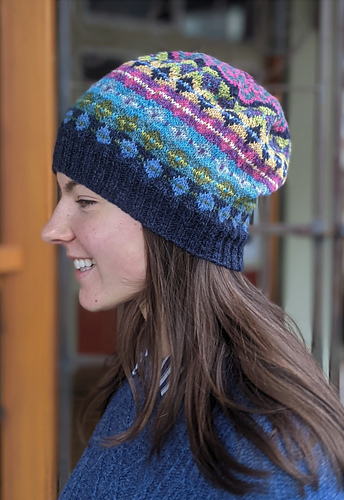
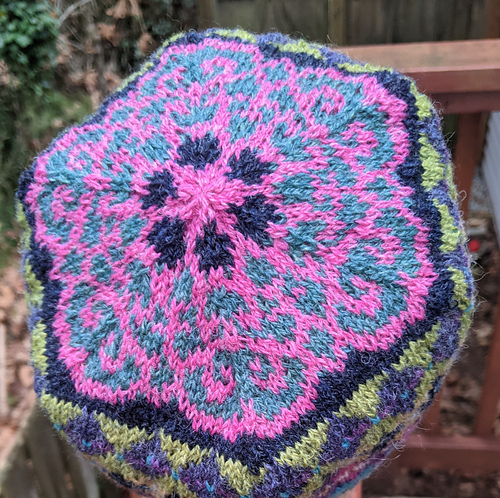
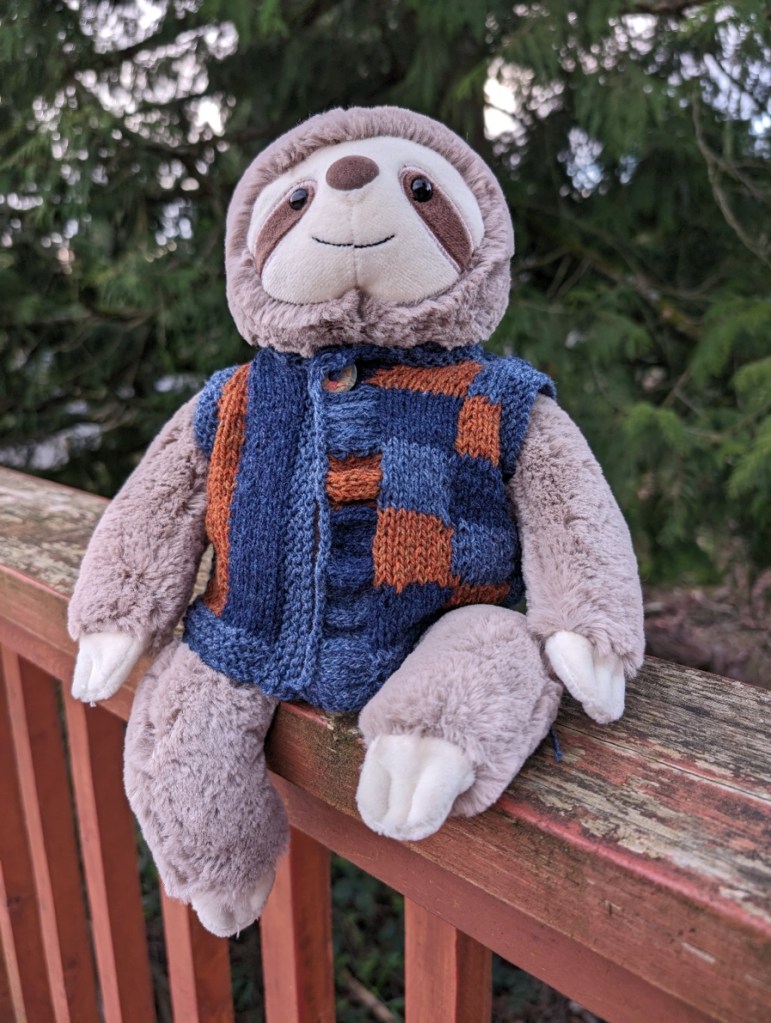
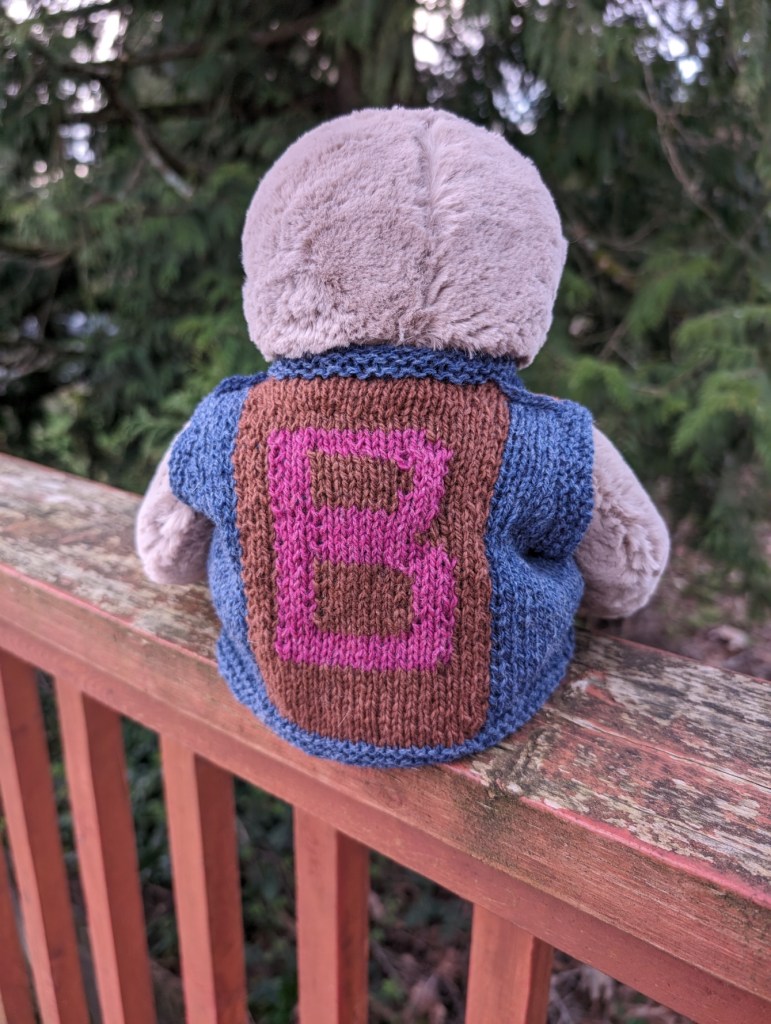
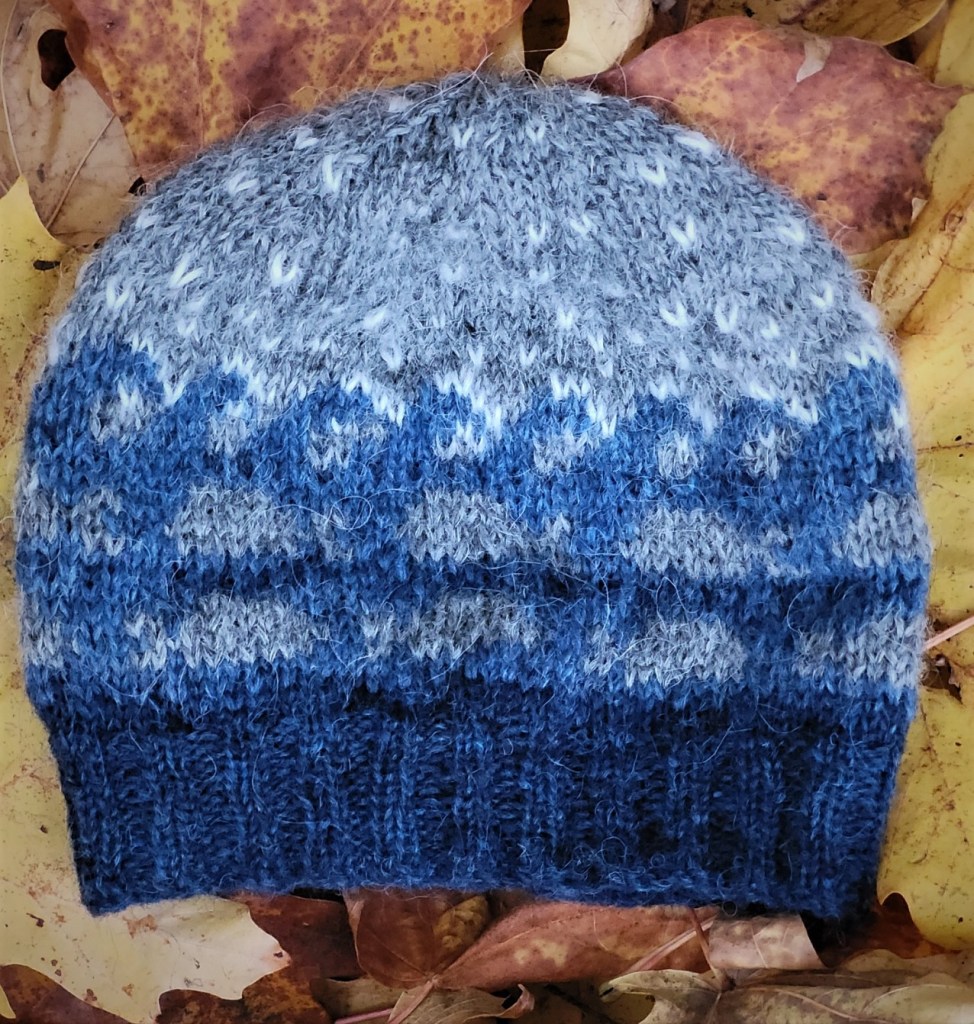
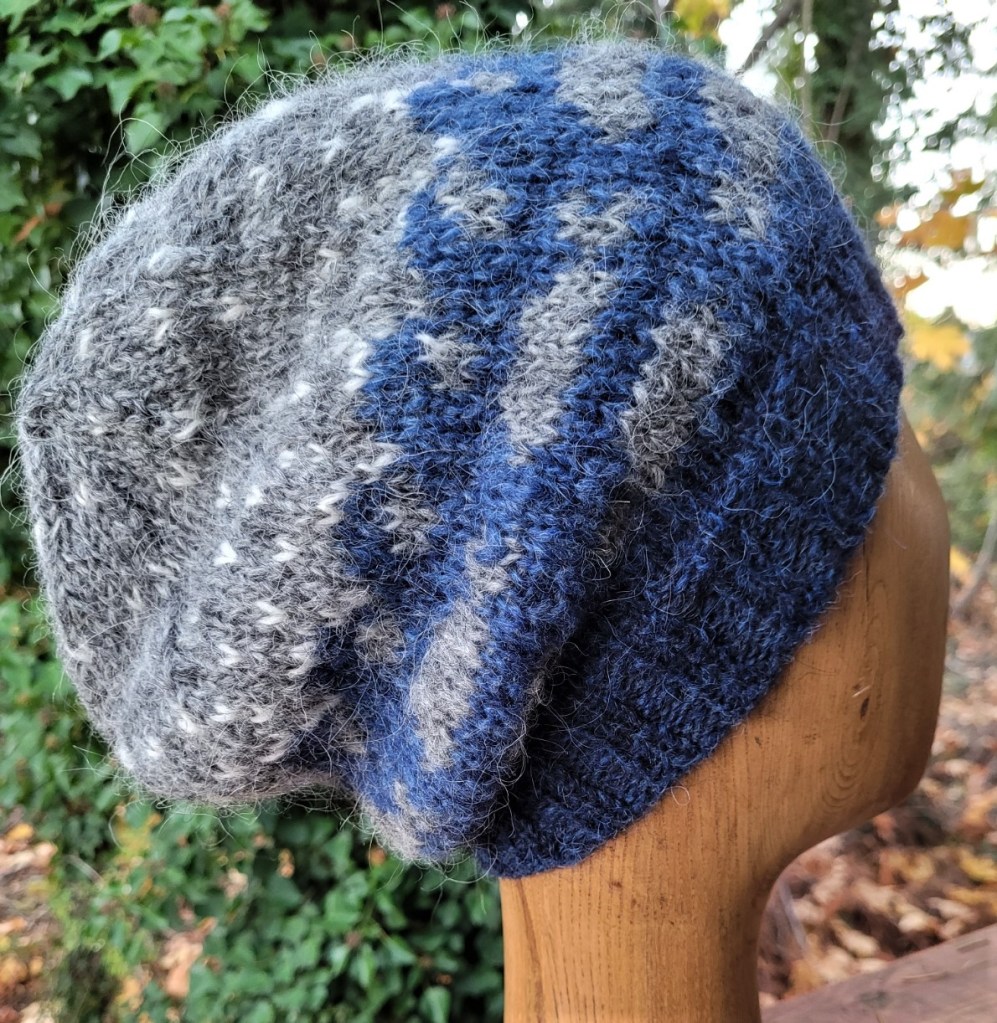
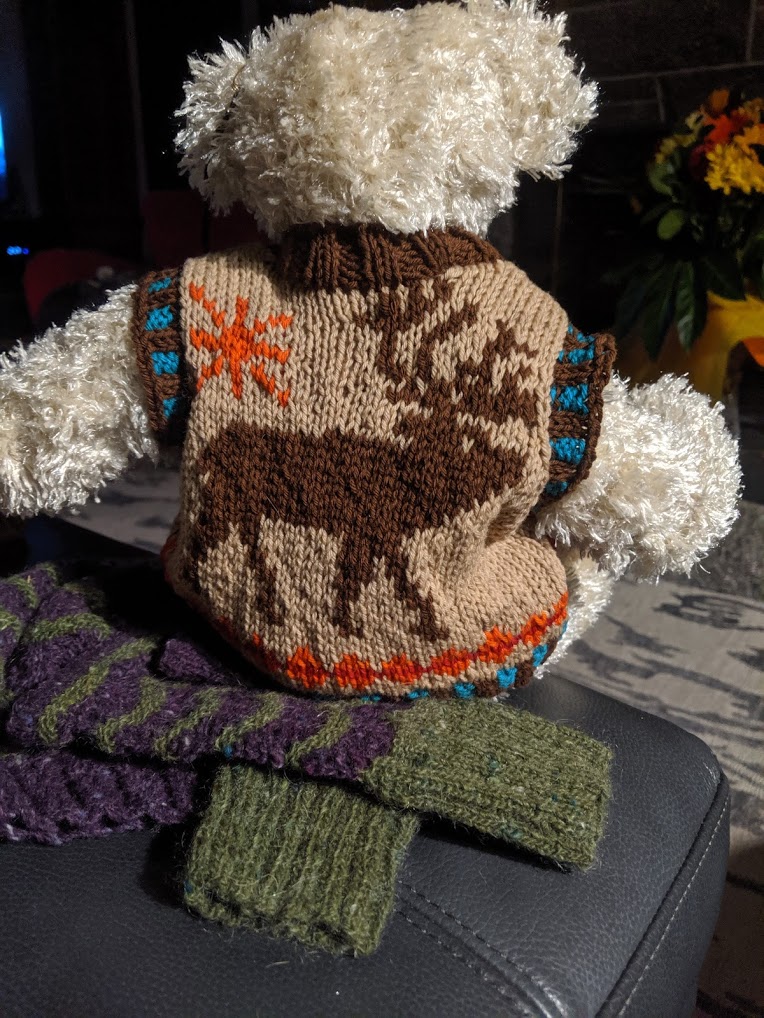
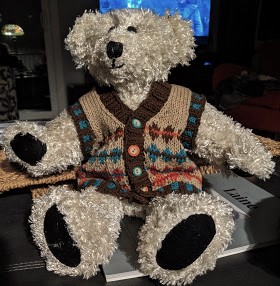
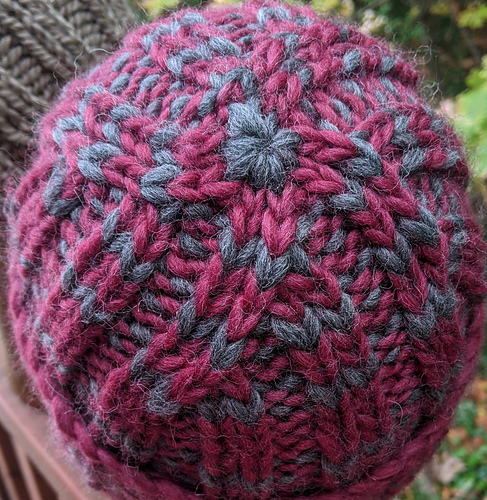
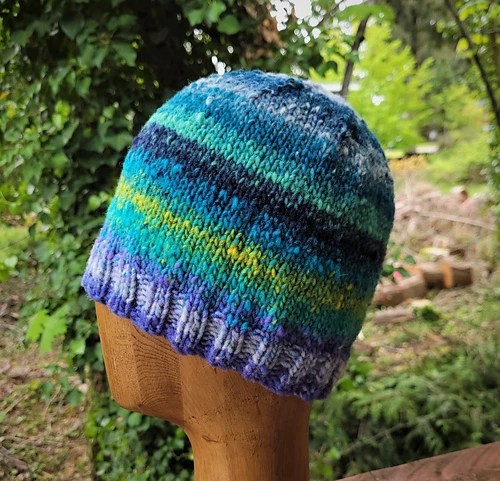
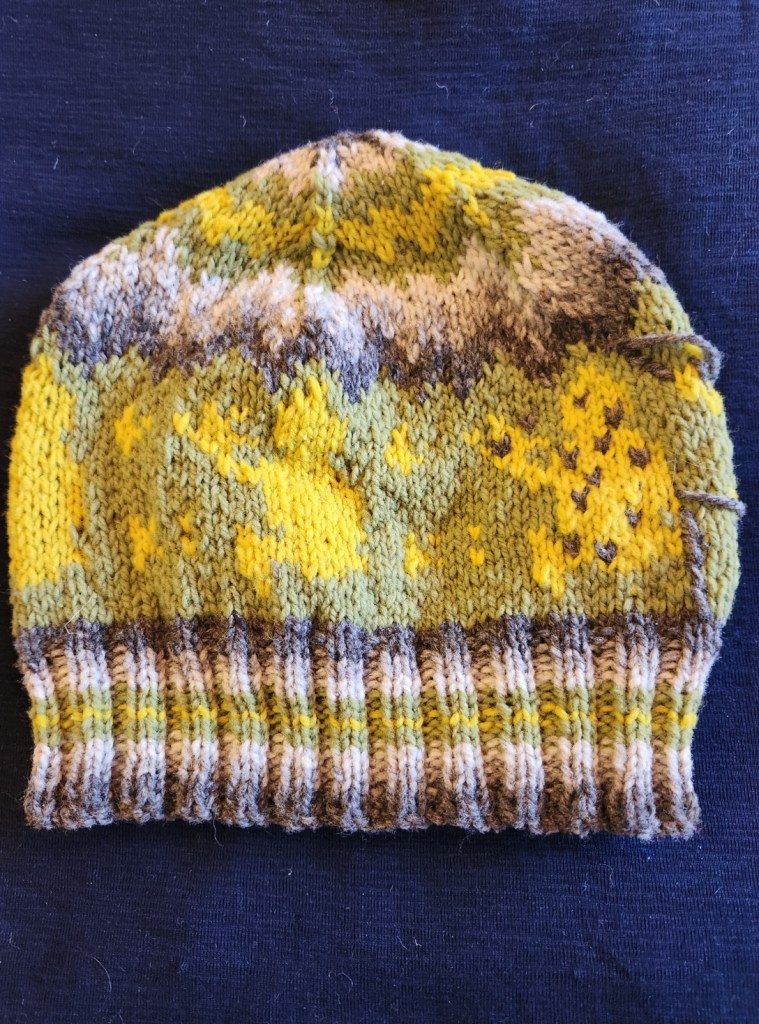
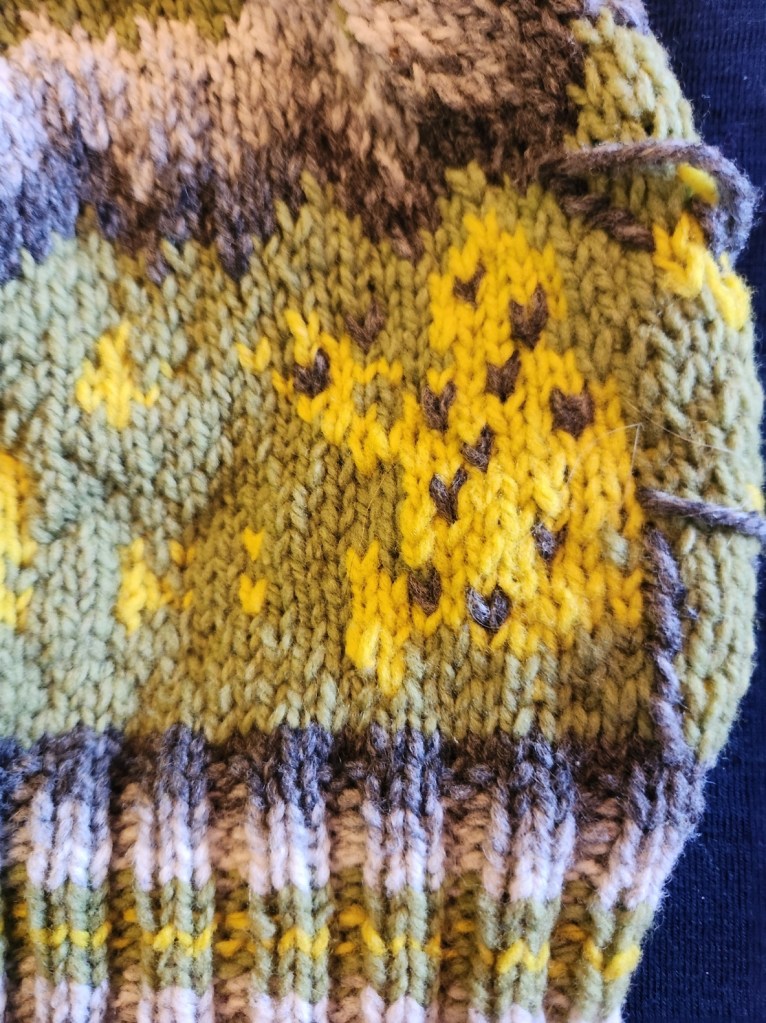
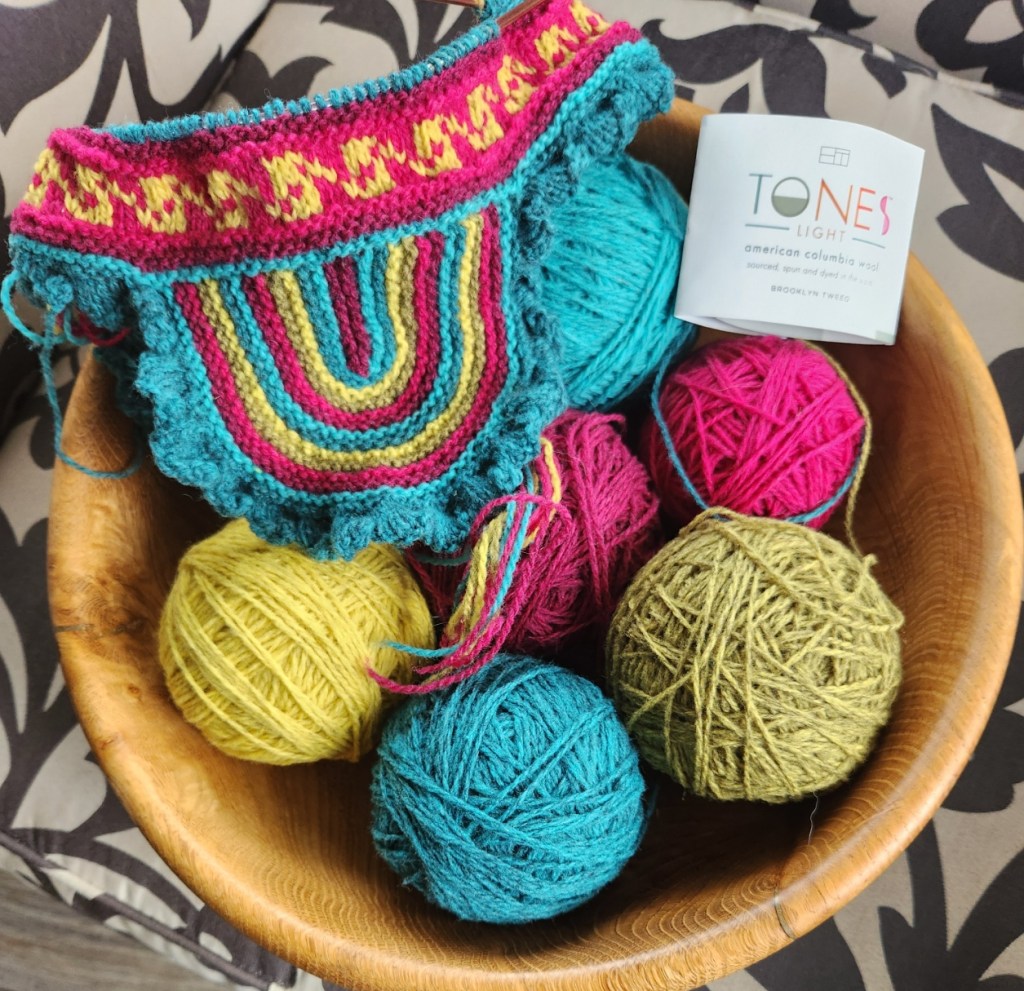
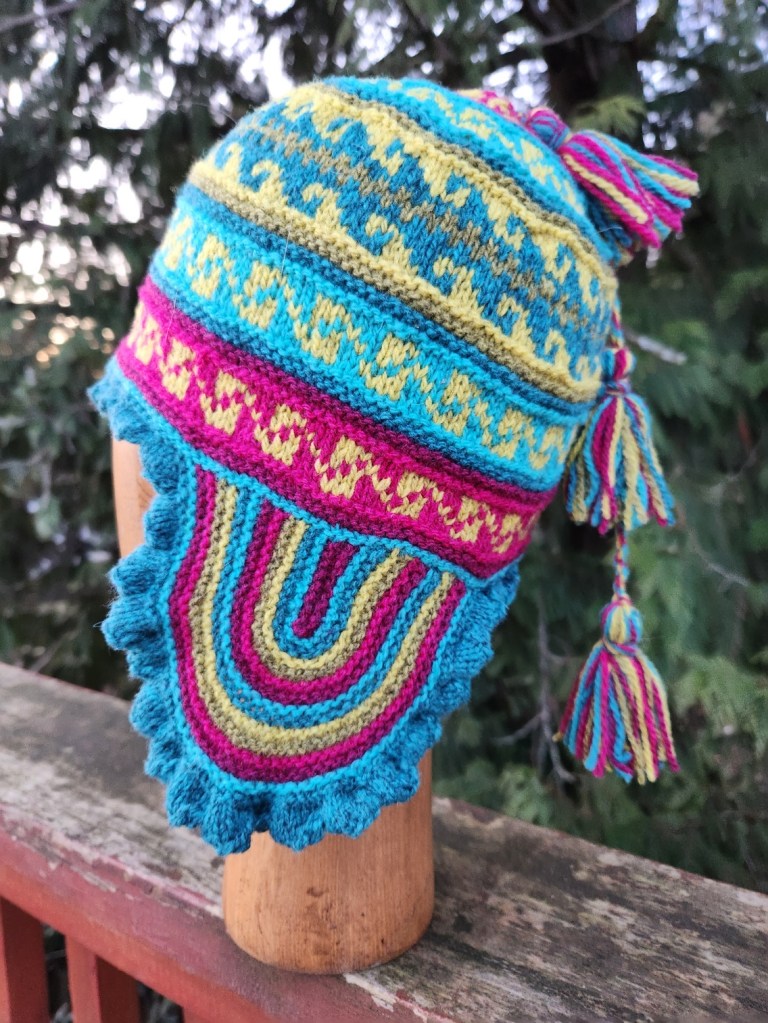
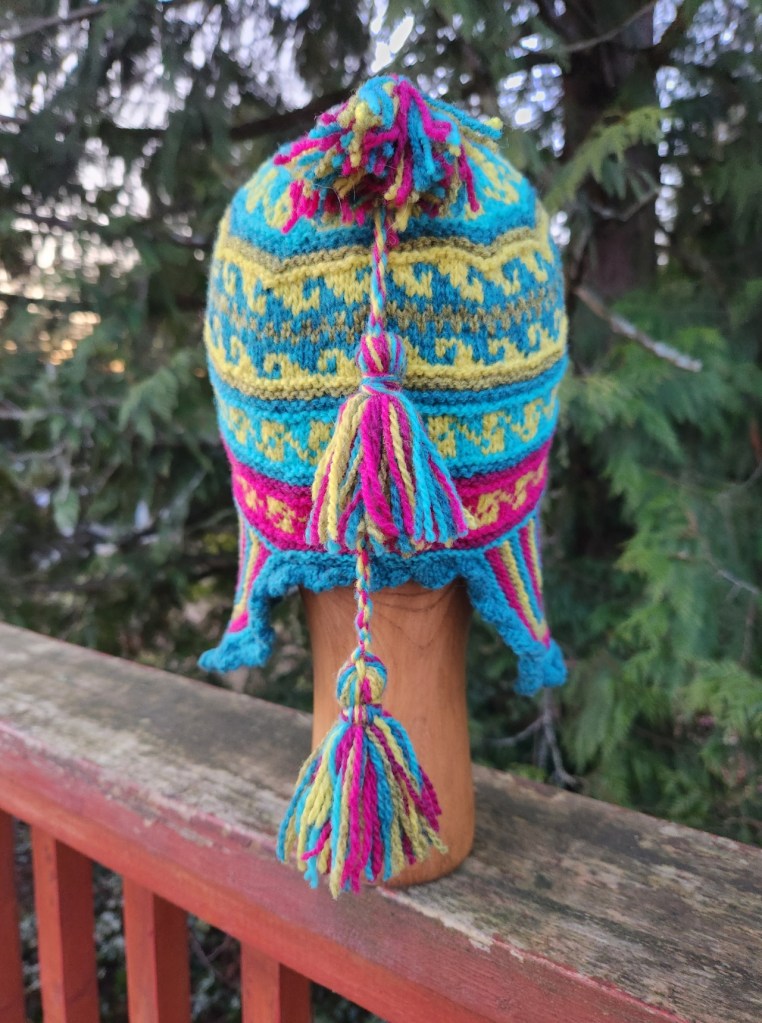
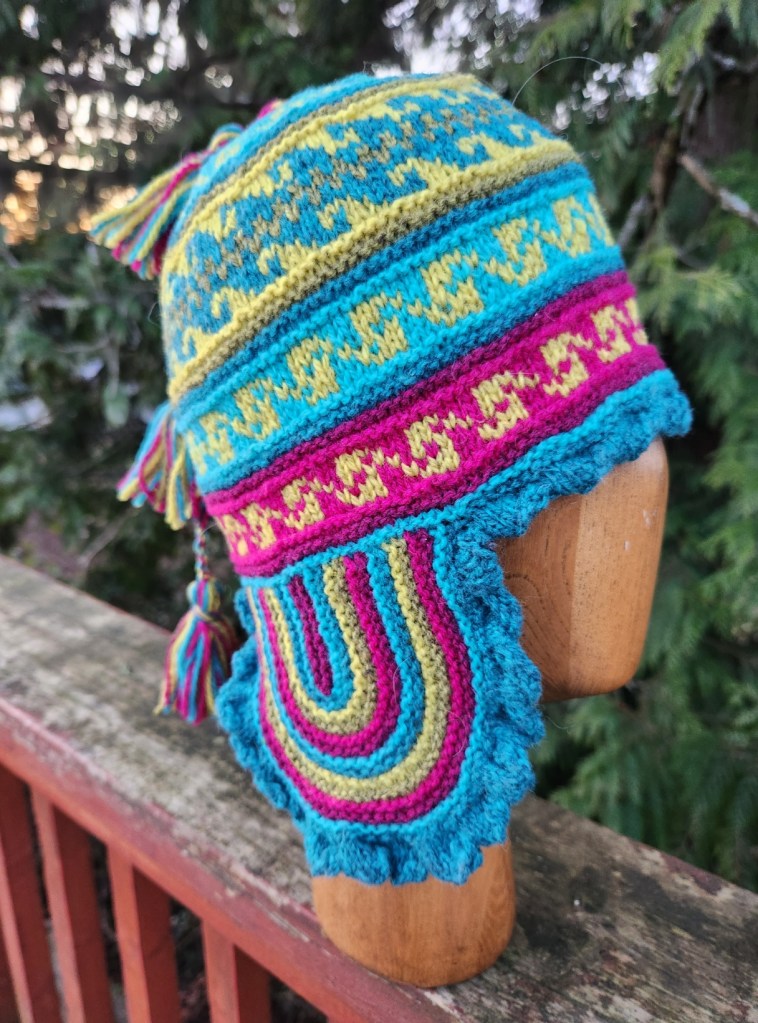
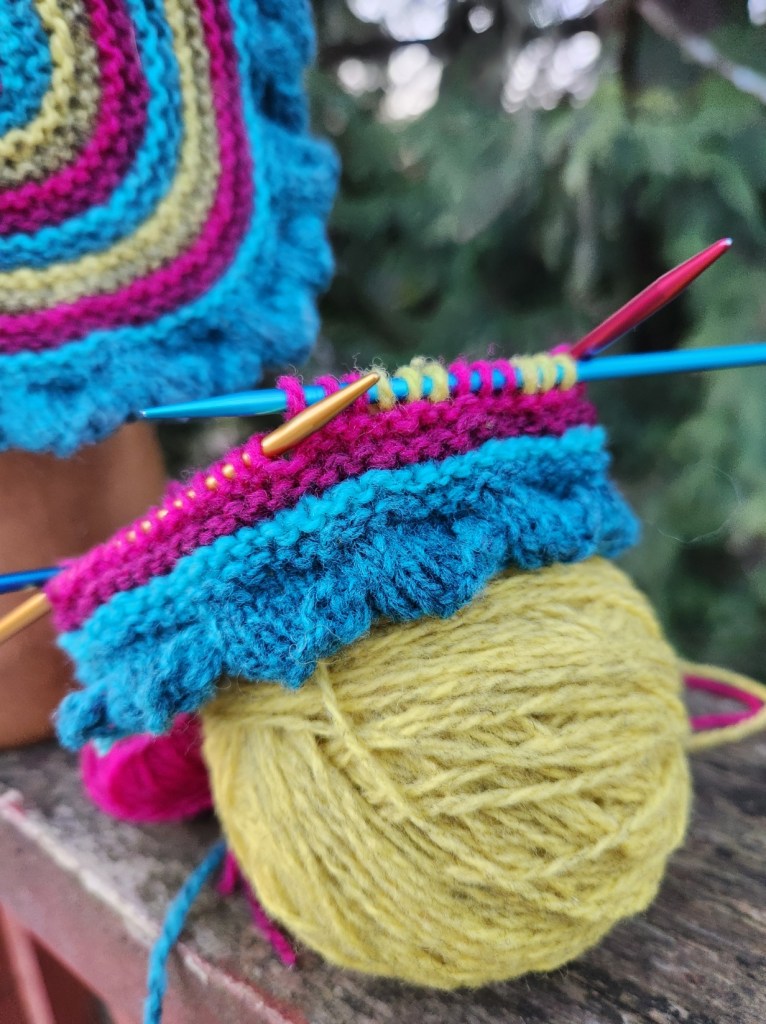
The fair-isle hat, Filigree, was me playing with colours – as an exercise. I was so pleased with the results that I wrote it up as a pattern. The teddy bear vests were teaching opportunities. The Salmon Run hat was again playing with a new to me yarn – to see what it could do!
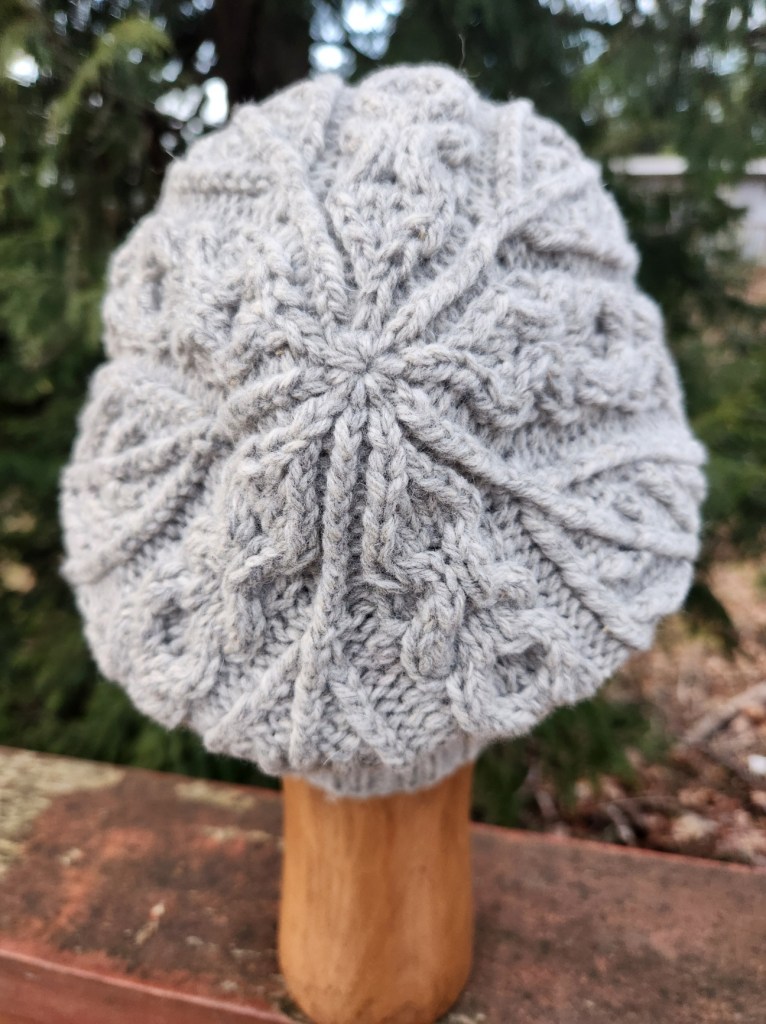
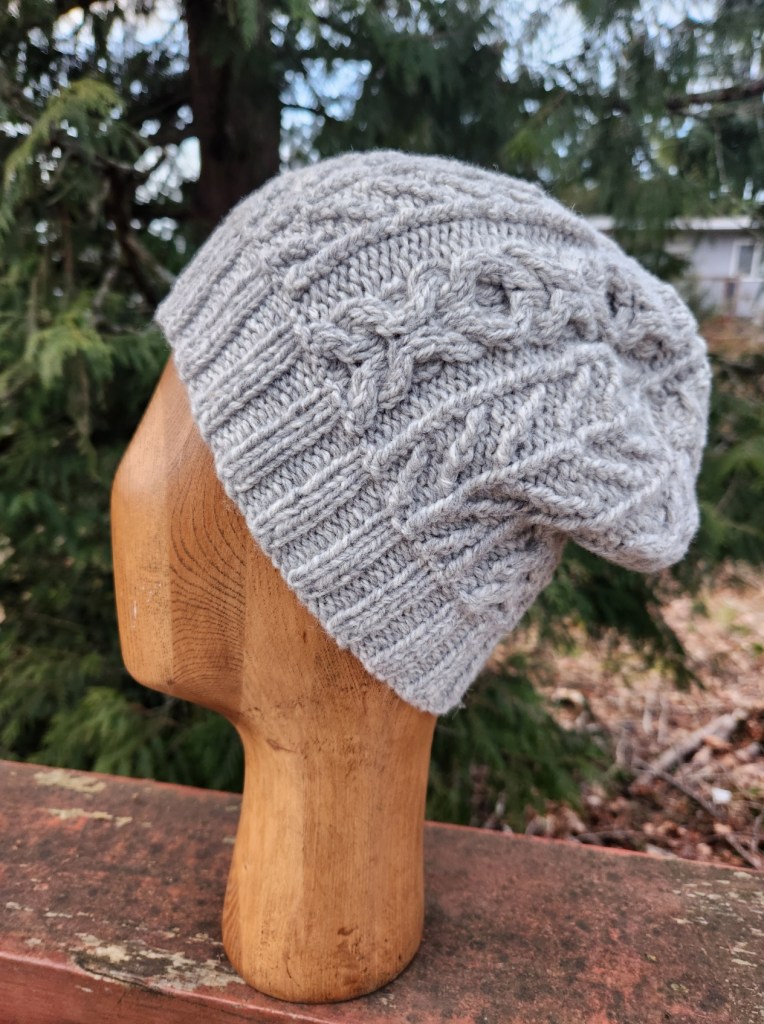
The Hurry Up Hat might be my most popular Ravelry pattern. For starters, it is free! And it is a very fast knit. Perfect for last minute gifts or for knitting hats for the homeless with your scraps. Practically Perfect is the same kind of hat but knit in a colourful worsted weight yarn and really designed for beginning hat knitters!
I have a friend who will decide to be a domestic goddess for the weekend and knock off her housework all at once! I am not that person. But I envy her ability just to decide to “do It”!
I – when I am feeling the urge – am a hit and miss type of house keeper. When the urge hits I will putter around and clean corners or objects very thoroughly. And then move onto the next thing that catches my eye. Seldom do I finish any one room all at once.
The last year has been more miss than hit.
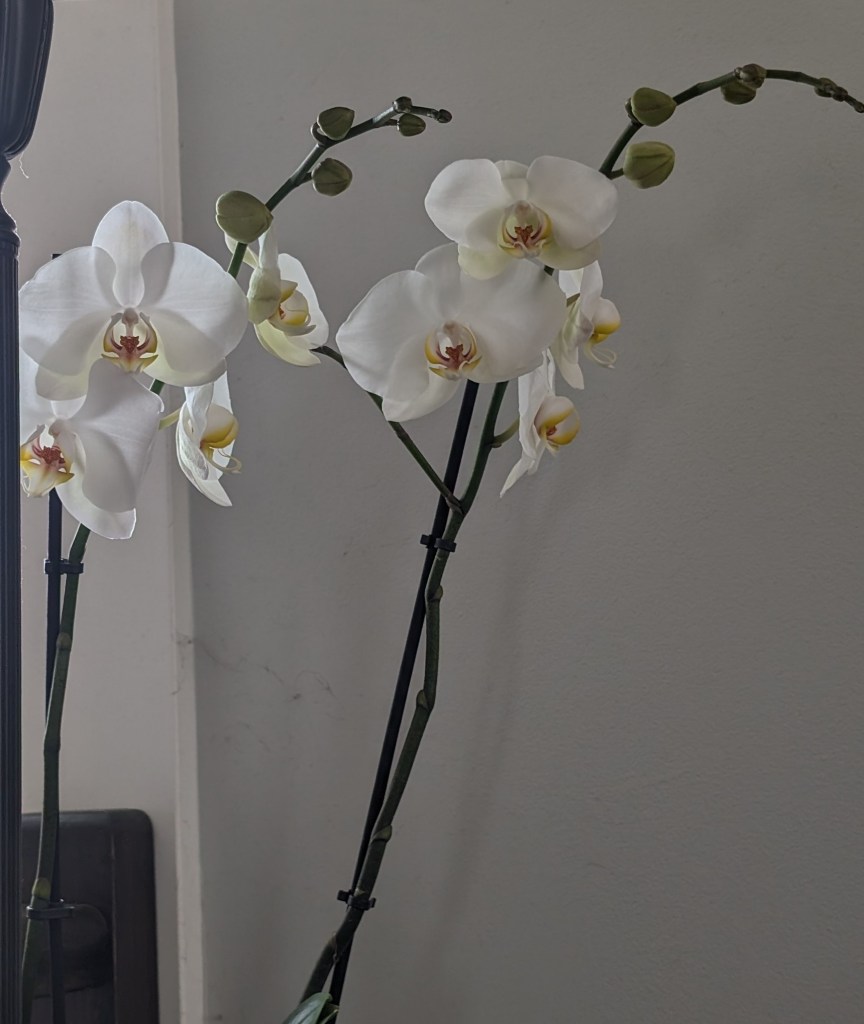
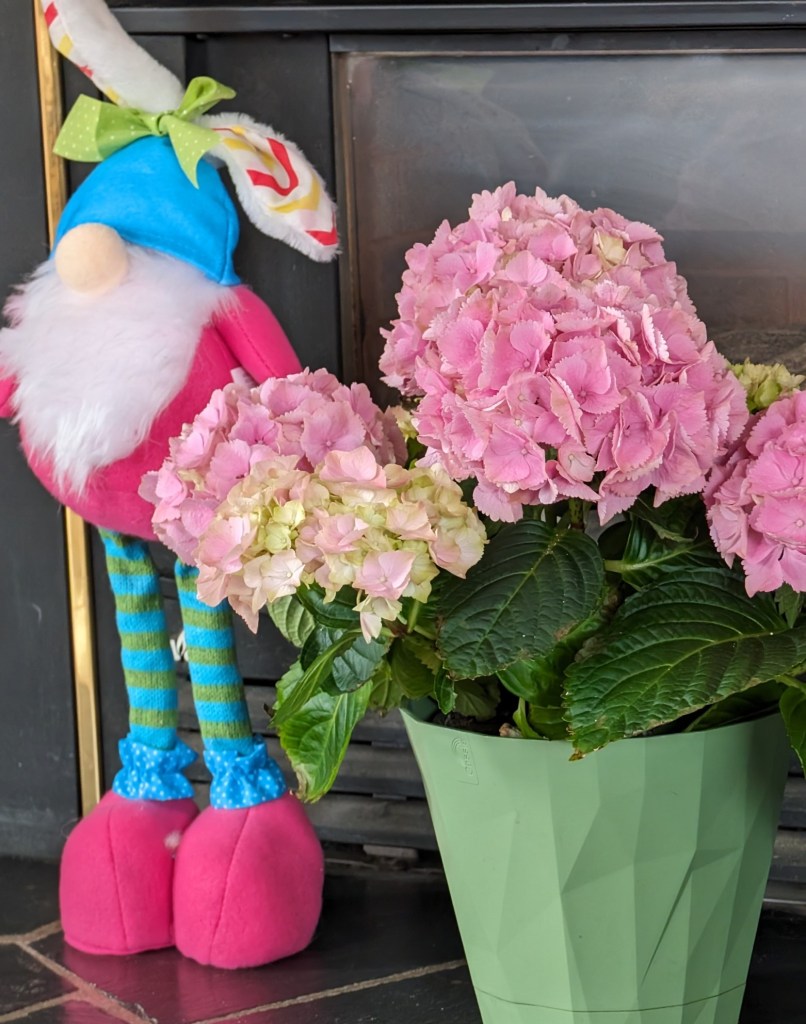
But I am starting to actually feel like maybe I want to clean up and start fresh on some things. I got rid of the dead plants this morning… and bought some new ones. A beautiful white orchid and a small hydrangea. I will keep you posted on how well the orchid does – my history with them is very spotty!
I like to buy flowering plants instead of bouquets. They last longer and may actually continue to grow. Though I haven’t been paying enough attention lately.
It’s not that I don’t know how to clean house. I paid my way through a year of university cleaning professors homes. That included anything and everything. I polished brass and silver! Cleaned windows with newsprint and vinegar or with windex as directed. Washed floors and cleaned bathrooms! It really left me feeling like housekeeping is one of those unforgiving jobs. No matter how often or how well you clean the house, it never stops needing to be cleaned!
Any tips or tricks to share? I am all ears.
Tip #1 – I have been told by many that the trick is to never let it go too long between cleans. Then it is much easier. I get that, but I would rather KNIT! That is most likely the crux of my problem.
Happy Easter from my about to be cleaned up Home! LOL!
Yarn is my Happy Place. Knitting with yarn is the perfect expression of my state of mind. Knitting with yarn that is new to me and often has been gifted to me is my idea of perfection!
I am in my heart a lace knitter – it is one of the most beautiful expressions that can be created by two sticks and some string. And right now I am extra Happy!
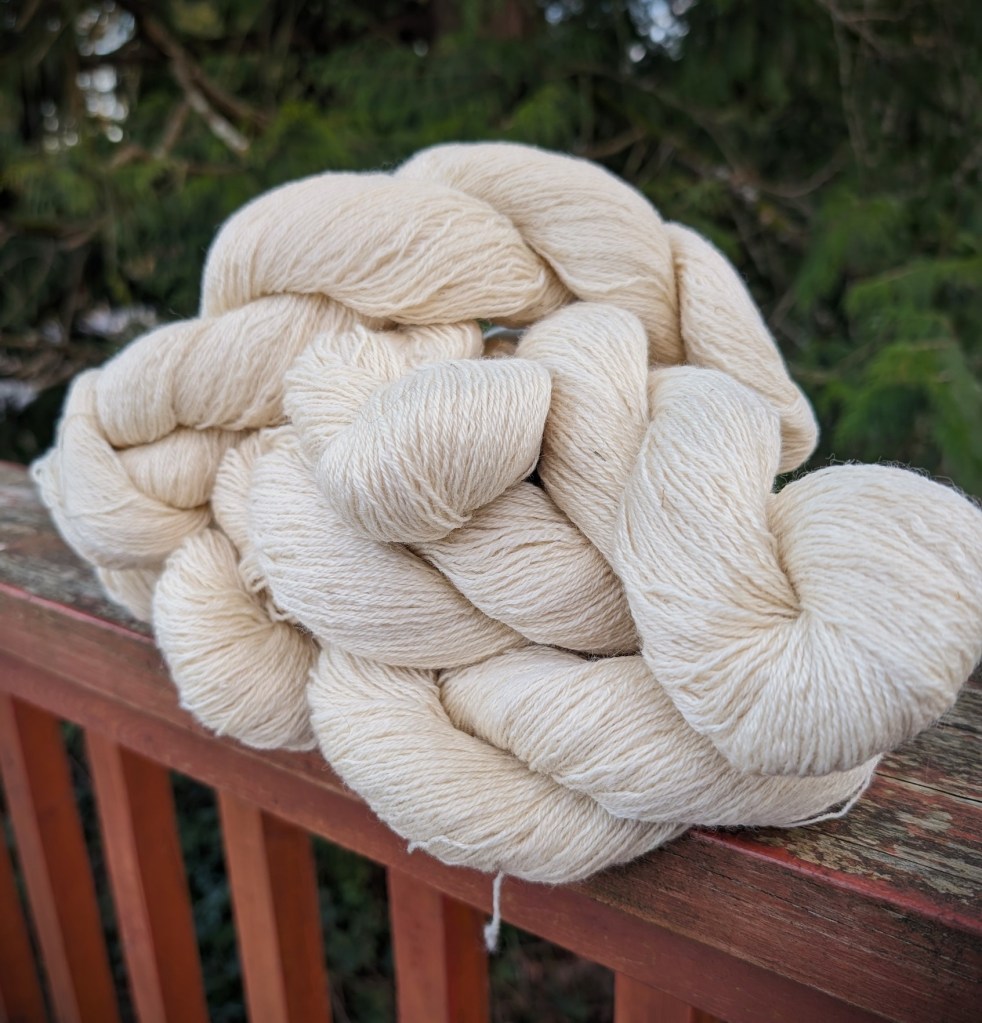
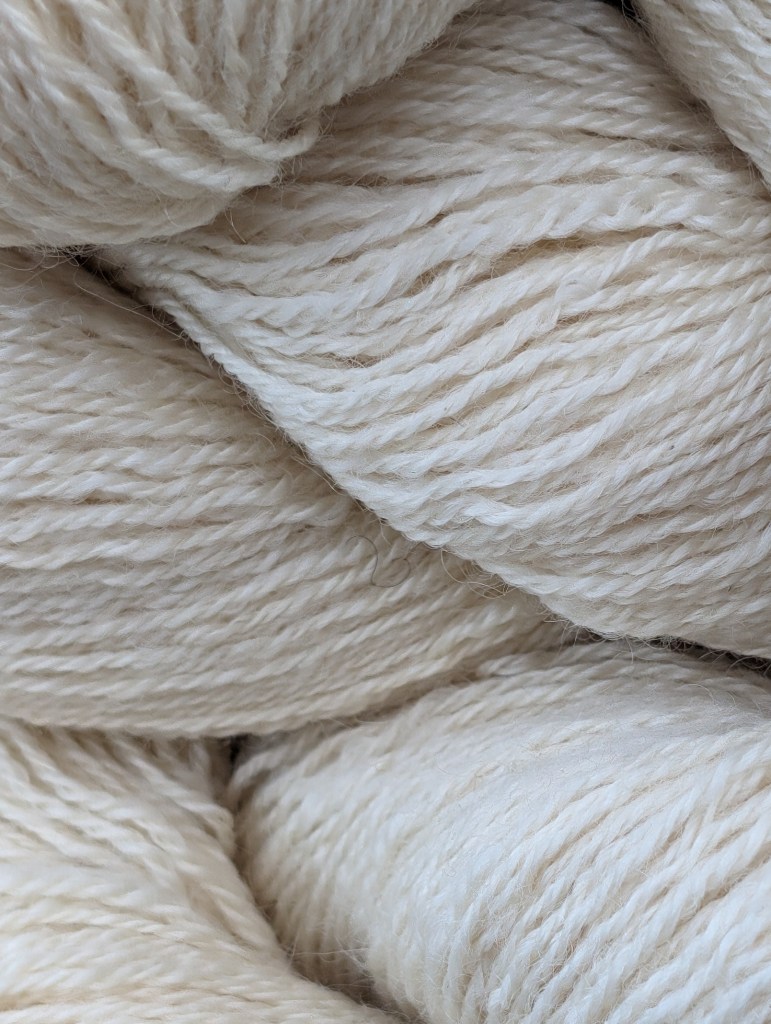
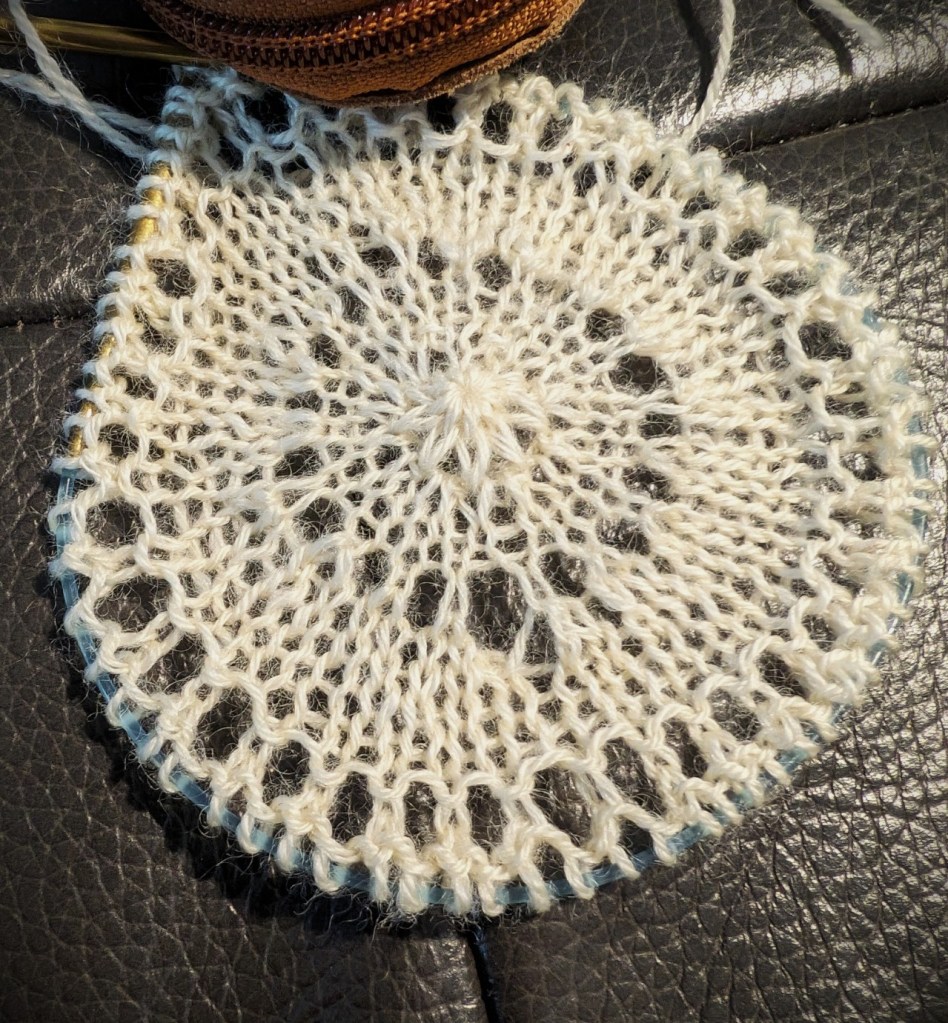
Yesterday Angela Beltane of Widdershin Farm, which is just outside of Duncan, gifted me with some of her BFL, Blue Faced Leicester, fingering weight yarn… enough for a large shawl. I am thinking a large Pi shawl! This yarn is soft and glossy and Oh so smooth!
The Bluefaced Leicester (BFL) is a remarkable breed of sheep that traces its origins back to the eighteenth century in Dishley, Leicestershire, United Kingdom. Let’s delve into the fascinating details of these woolly creatures:
Appearance:
BFL sheep have a distinctive blue-gray face, which gives them their name.
Their ears are long, and their fleece is curly and fine.
Unlike other woolly breeds, they lack wool on their heads and necks.
The Roman noses of Bluefaced Leicesters reveal dark blue skin beneath their white hair.
Wool Quality:
Their wool is one of the softest among UK sheep breeds.
Fleeces weigh between 1 to 3 kilograms (2.2 to 6.6 pounds).
Although not heavy, their wool is lustrous and prized for its quality.
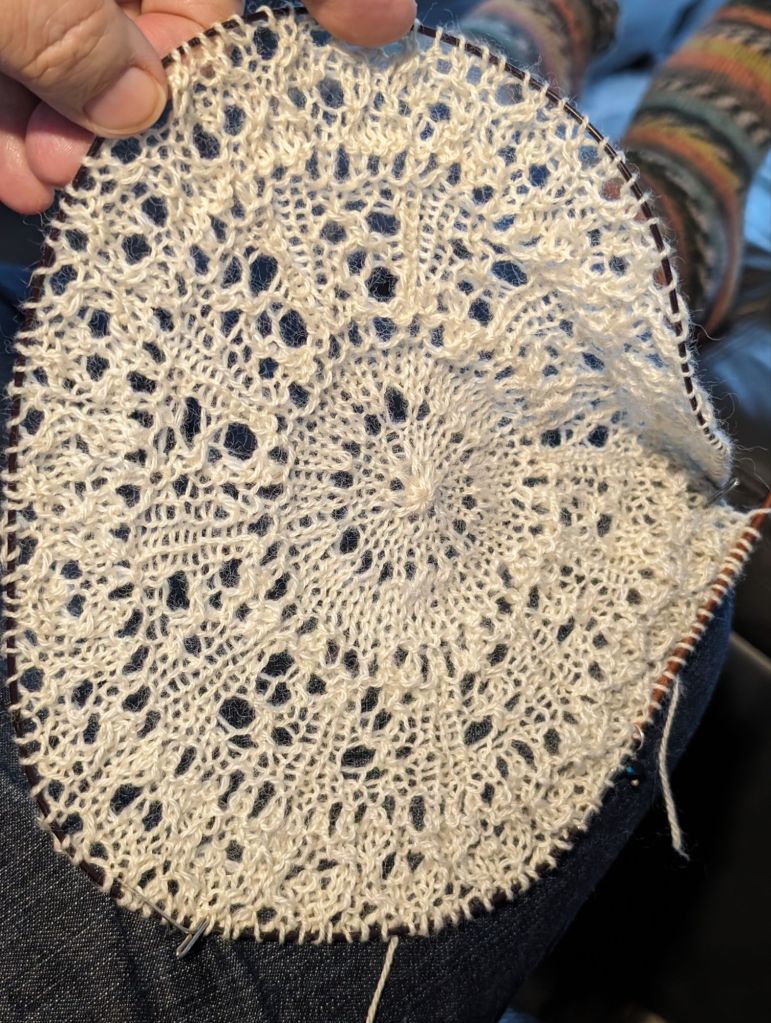
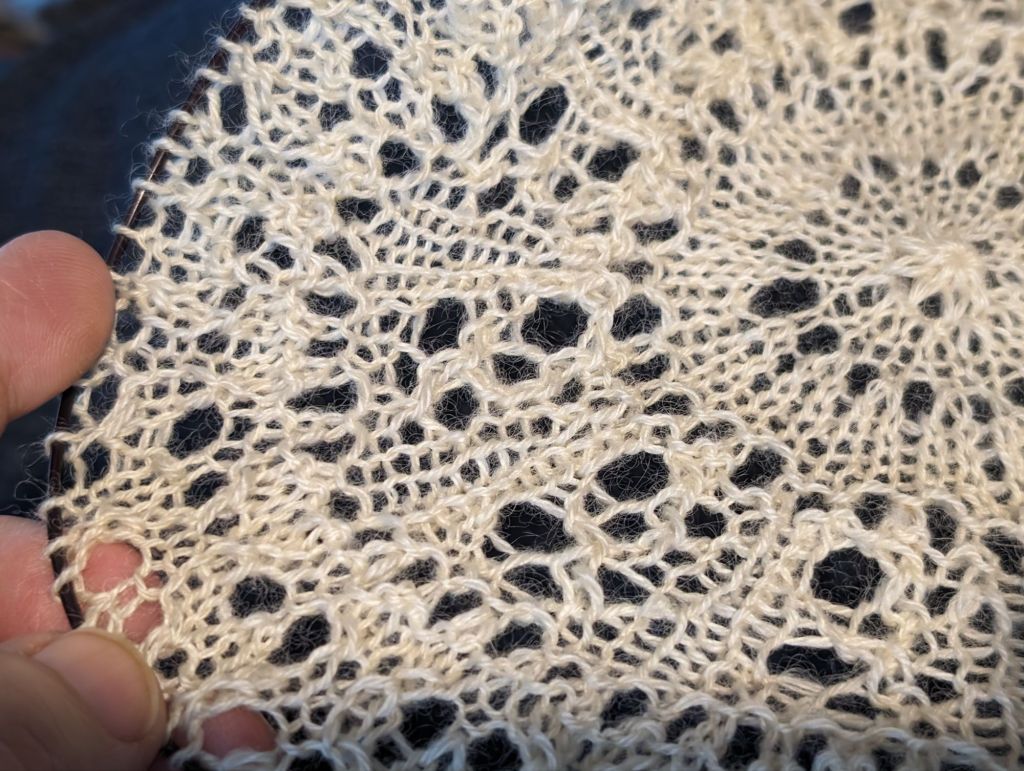
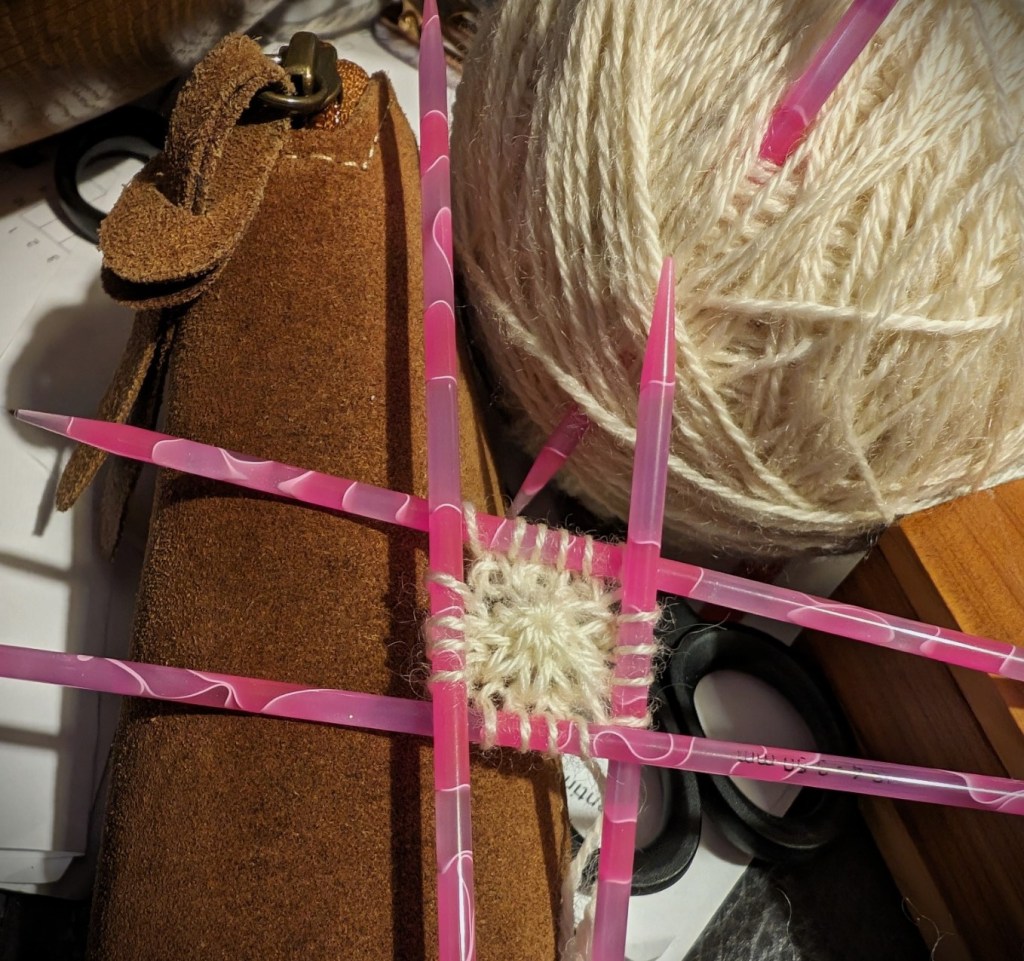
It is going to be gorgeous. I took the day off of my other projects – dress knitting, class knitting and future planning to play with my new yarn.
Umm, just ignore the mistake in the first round of eyelets! I am! LOL!
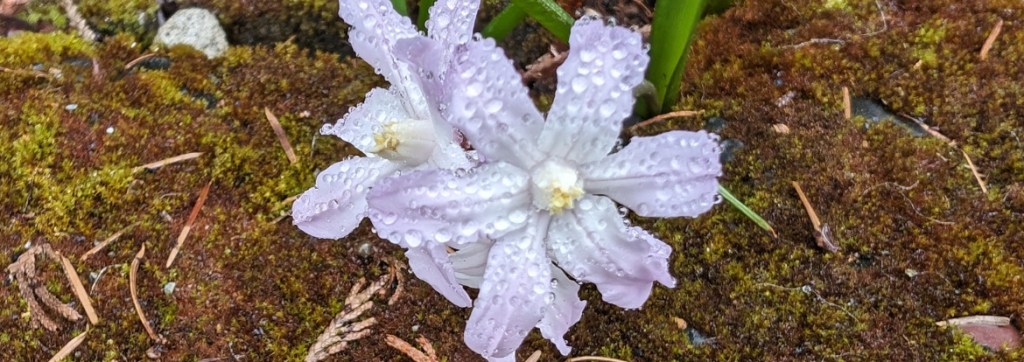
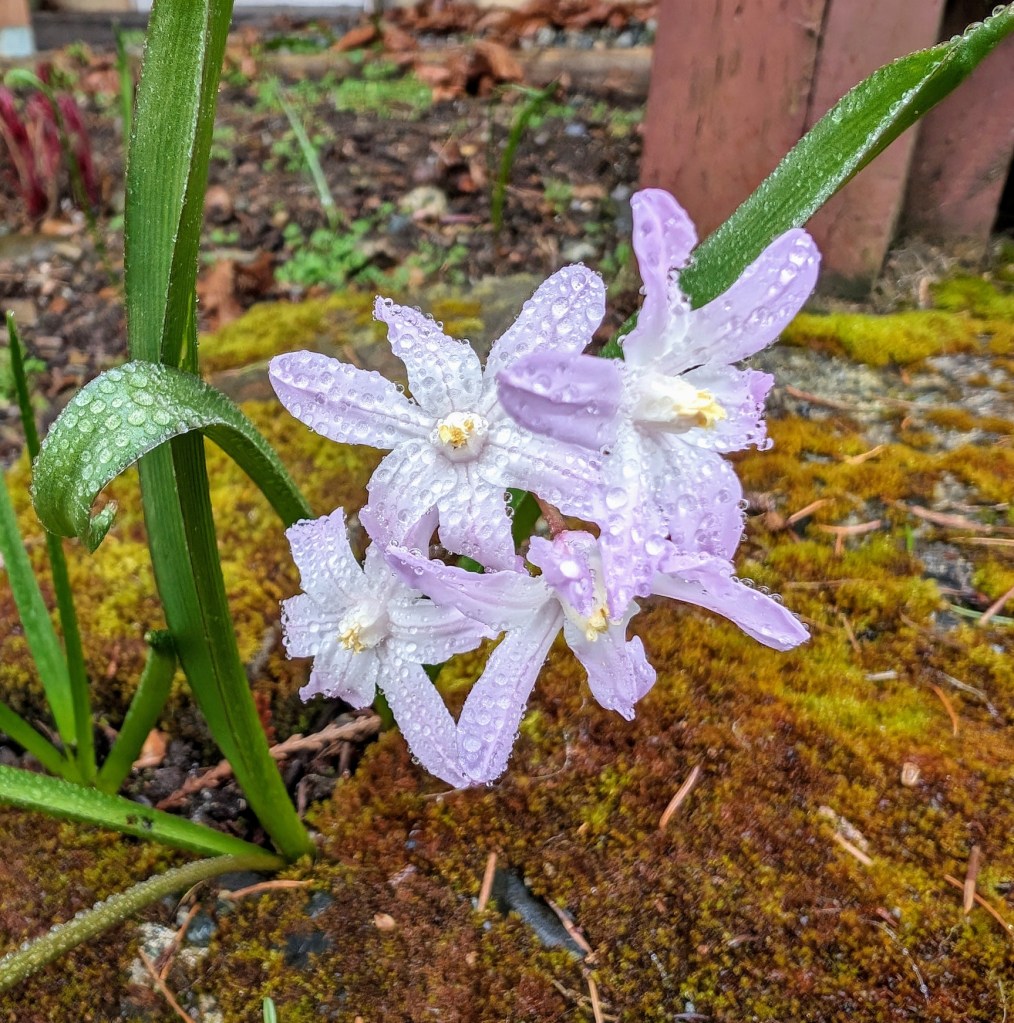
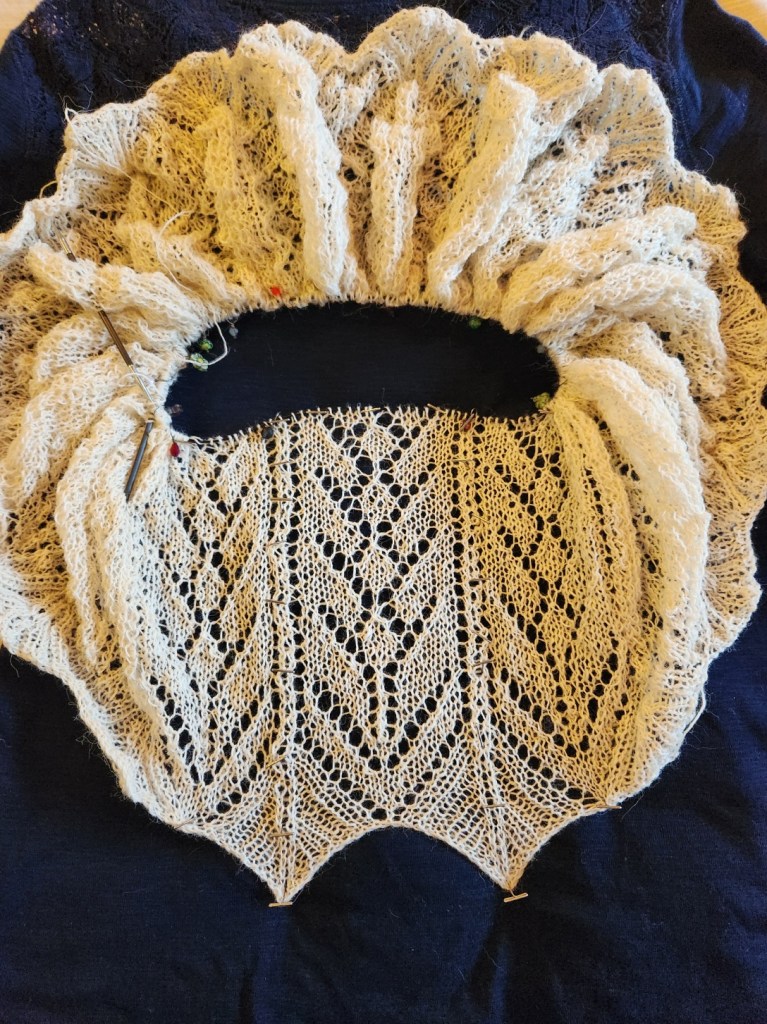
Today is one of my day’s off and it is rainy and gray and the perfect kind of day to knit! Rainy days also produce some lovely photographic opportunities! Check out the Scilla (Glory in the Snow) from the garden. They are the inspiration, and name, for my Pi Shawl, one of my favourite shapes for a shawl. A PI Shawl is circular and can be as big as you can knit! It is going to be full of floral, water and leaf motifs!
I am going to work from Elizabeth Zimmerman’s basic Pi Shawl tutorial and fill it full of my own patterns!
Can’t you just see crystal beads on the shawl? Just like the flowers!
If you are following the my design notes on Ravelry you will find this to be repetitive but if not I hope that you are enjoying the journey!
Three rounds to go and then I start the panel shaping!
Dry blocked I am at about 12 inches. The Panels will add approx 7 to 7.5 inches to the length – dry blocked.
Things I am thinking about and would really appreciate feedback on.
How closely fitting should the dress be? I am thinking fitted with about 2 inches of ease around the waist for comfort and to smooth out over a slip of some type. I have a pretty good idea of how to achieve the shaping as we get closer to the waist. Which will involve more panel shaping.
Are you thinking of something that could be pulled over the head?
If fitted there will need to be an opening of some type in the side seam or up the back. I am thinking side seam buttons under the arm and down past the waist – no zipper – zippers and knits are very chancy. I love the vintage feel of the side seam opening – very old fashioned dress finishing. I am not a big fan of buttons up the back – besides then so much of the dress would need to be knit flat as opposed to circularly. Though there is something about a long swath of tiny buttons up the back of a dress….
If fitted, then after the waist area there will need to be darts. I chose the panel approach to make it easier to add waist darts if I wanted. But then will I need to add bust darts? If so, how? Short rows are the traditional way, but that would interrupt the lace pattern. I could end the lace pattern on the side of the front after the waist and just have panels in the front, but my vision is still of all over lace. Things to think about as I knit.
If you are looking for a pullover style of dress – the option will be there and quite easy to make work – let me know.
I am going to see how far I can get in the next week, after that I will be working on a sample and pattern for a yarn company which will slow this down for a couple of months!
I will be changing needle size on round 15 of the decreasing chart. Just another quarter point from 3.75mm to 3.5mm (US#4).
I am not sure when I will go to the 3.25mm. Most likely before the waist area.
As for shaping the bodice depending upon your shape you may need bust darts or you may not – but you will need some shaping if you want it fitted – even if your bust only has a gentle curve.
If you want a waist line and would like your dress to be a pullover style, we can add a double knit tubular channel for a belt or Gathering cord. Knit a fine belt in i-cord or 1×1 ribbing to run through the channel and we have a waistline. Alternatively we could run elastic through the channel. Anything to gather to the waist.
For a more fitted style, then back to the buttons along the side seam. Or maybe an A-line shape with a slow, gentle line of decreasing stitches.
But before we get there…
At round 29, if you want a shaped waist, stop knitting. We may be adding more shaping panels. Not sure when I will be able to work those out.
If you want a waist that is gathered into the belt or elastic, knit until your skirt is your desired length, and then wait for me to get there.
Double markers for double tracking! I started my first shaping round!
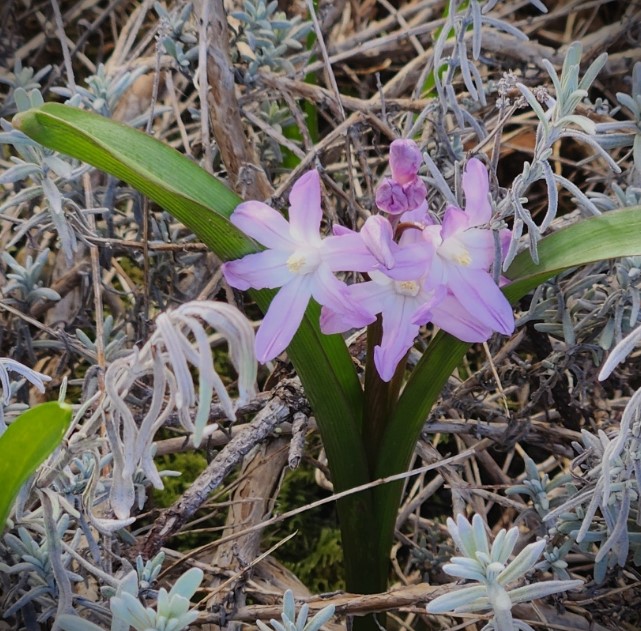
Spring flower popping up through the Lavender!
We are facing a glorious weekend of sunshine here! And the flowers are starting to come. The buds are on the trees and the cherry blossoms are starting to bloom! I love the colours of Spring!
Happy Knitting
Lynette
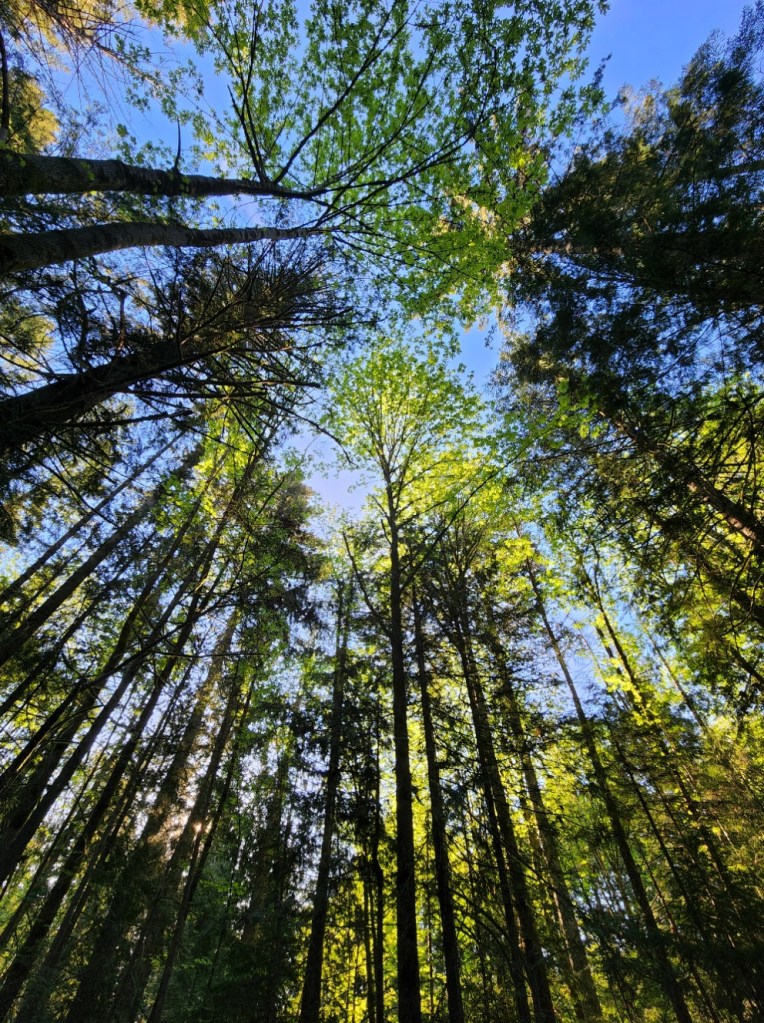
The lacy tracery of branches and leaves against a blue sky! How wonderful is nature.
I am now at the point where the skirt is growing, at what seems like an agonizingly slow rate. I must focus on the fact that the skirt is growing and the pattern is repeating and that is what is supposed to happen.
I switched to a 3.75mm needle about 12 rounds ago to start the slow shaping of the skirt. I will most likely drop the needle size to 3.5mm in about 40 more rounds. So between the changing the size of the needles and shaping the panels I am hoping for a lovely, gradual shaping the skirt to the waist. At that point the needle size will be 3.25mm for the bodice of the dress.
Dry blocked the skirt is 10 inches deep from the top of the 4th pattern repeat to the curve of the hem. The points are not included as length. I think that three more repeats will get me to the start of shaping panels (approx 15 inches) which will reduce the stitch count of the skirt. The reducing section will take about 45 rounds.
I work at Mad About Ewe and I get to play with the yarn. We are now carrying Brooklyn TweedShelter and Tones Light. I have been playing.
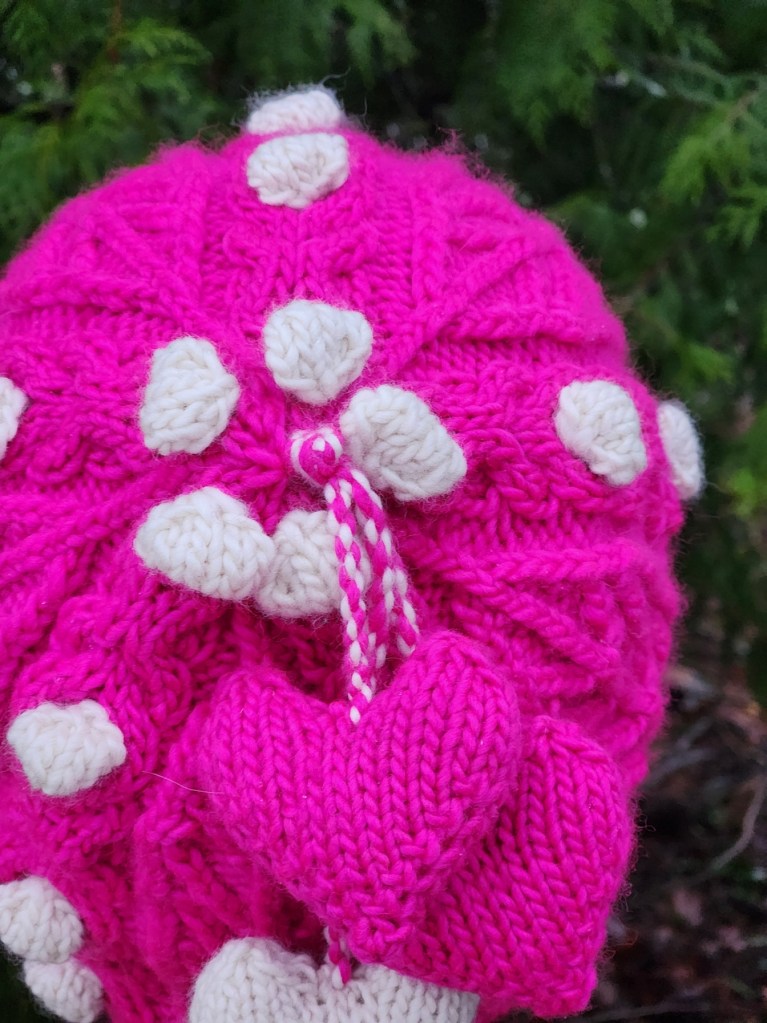
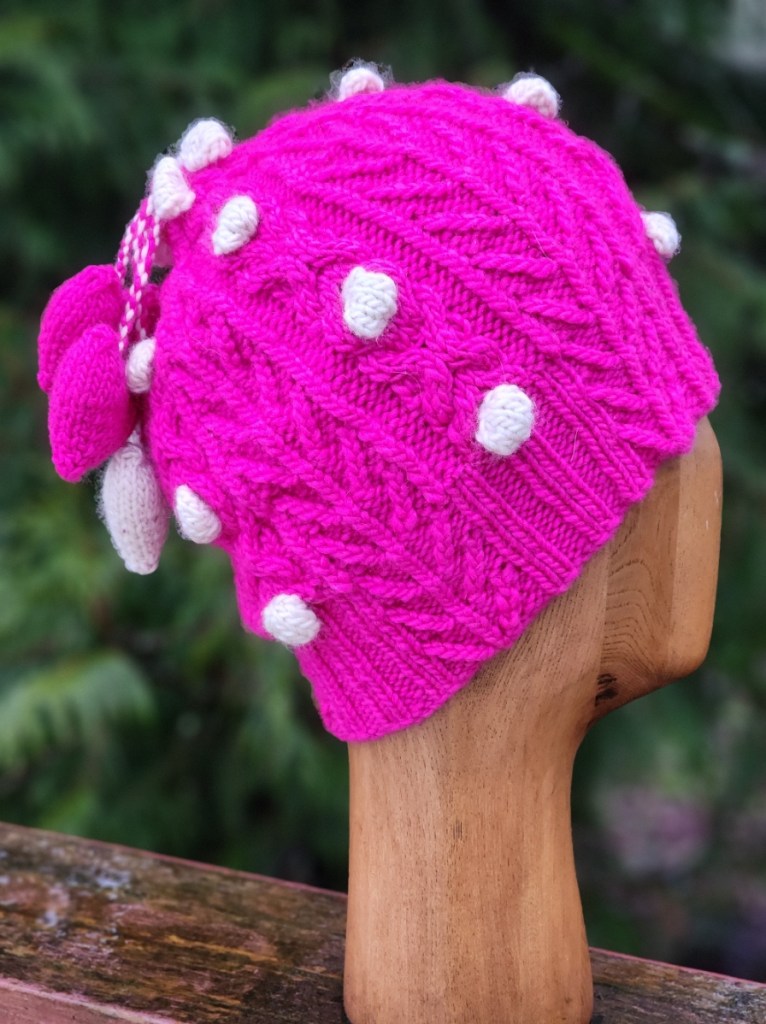
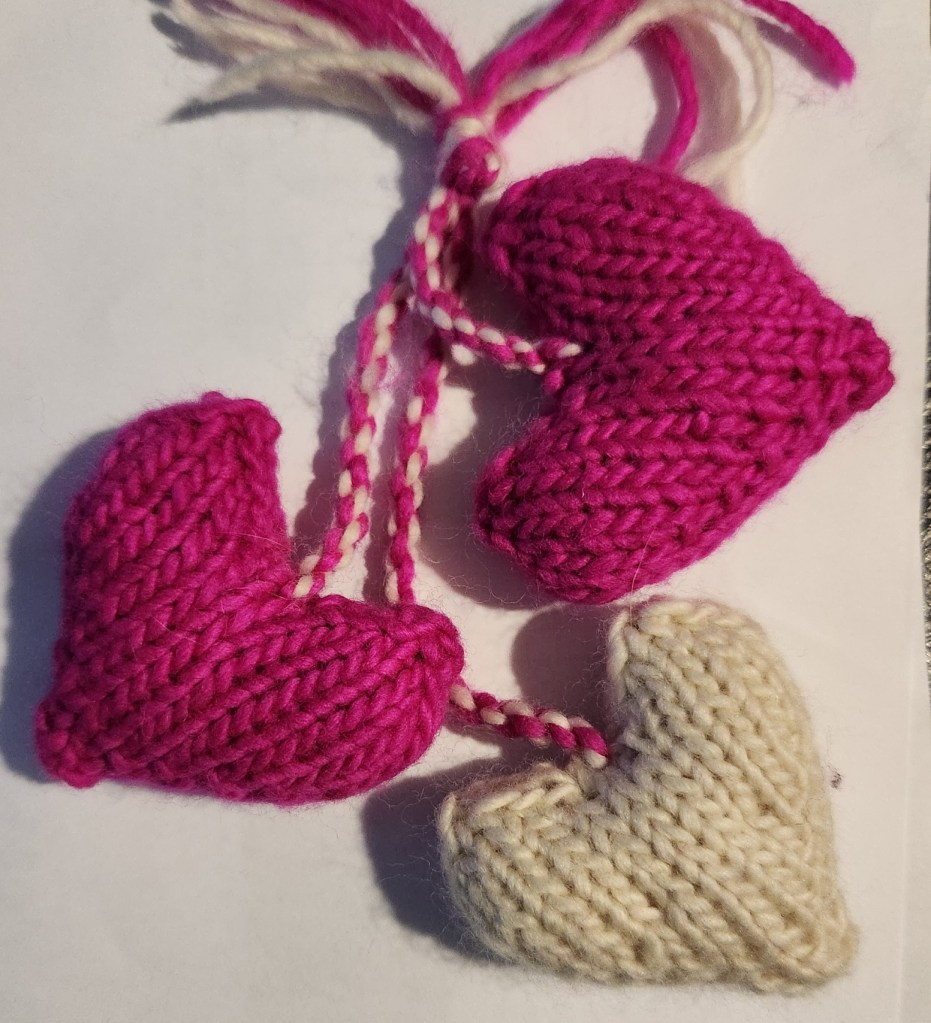
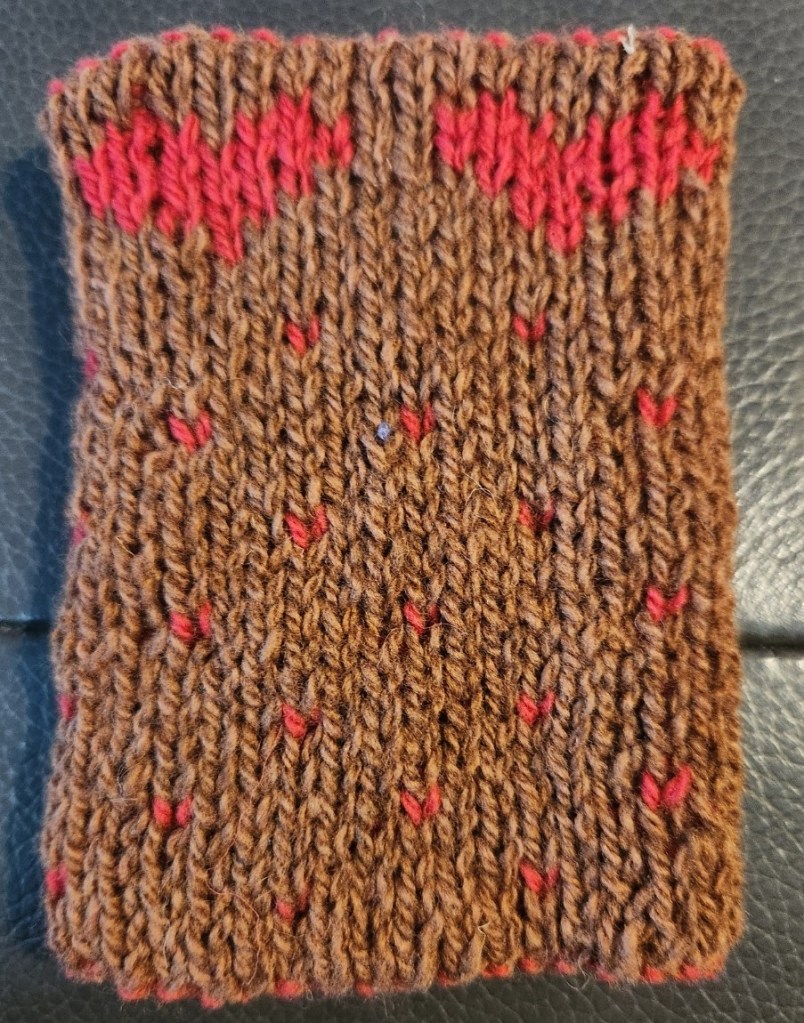
Wait there’s more! More hats, cables and hearts; double knit fingerless mittens and just so much more to do and create!
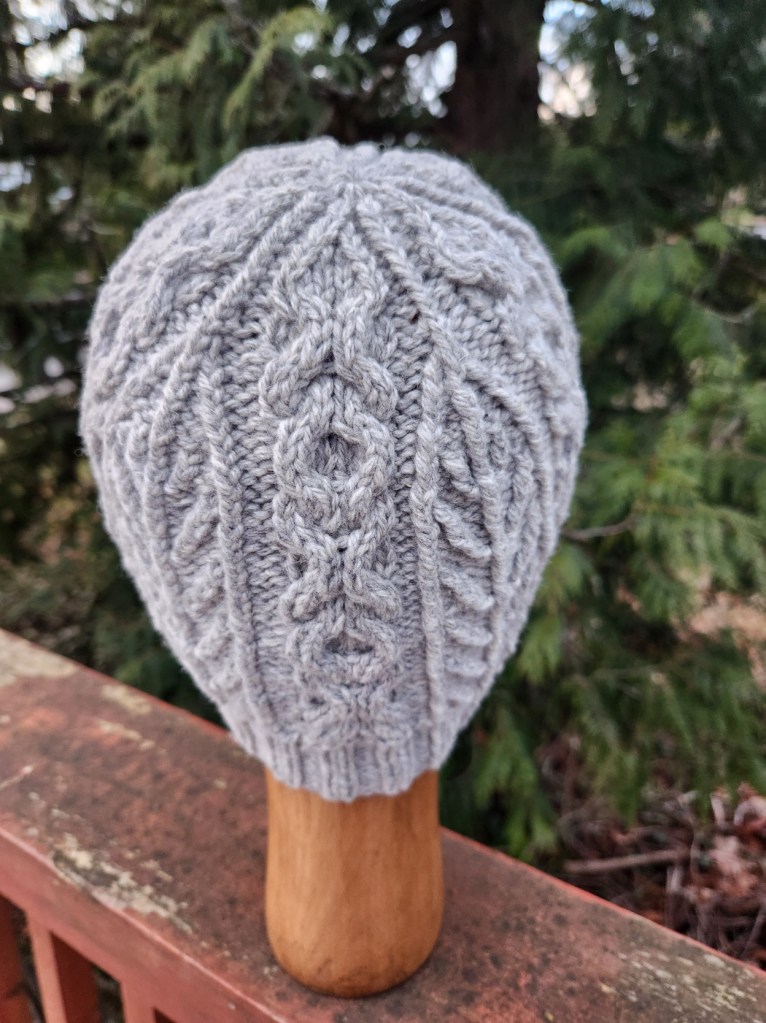
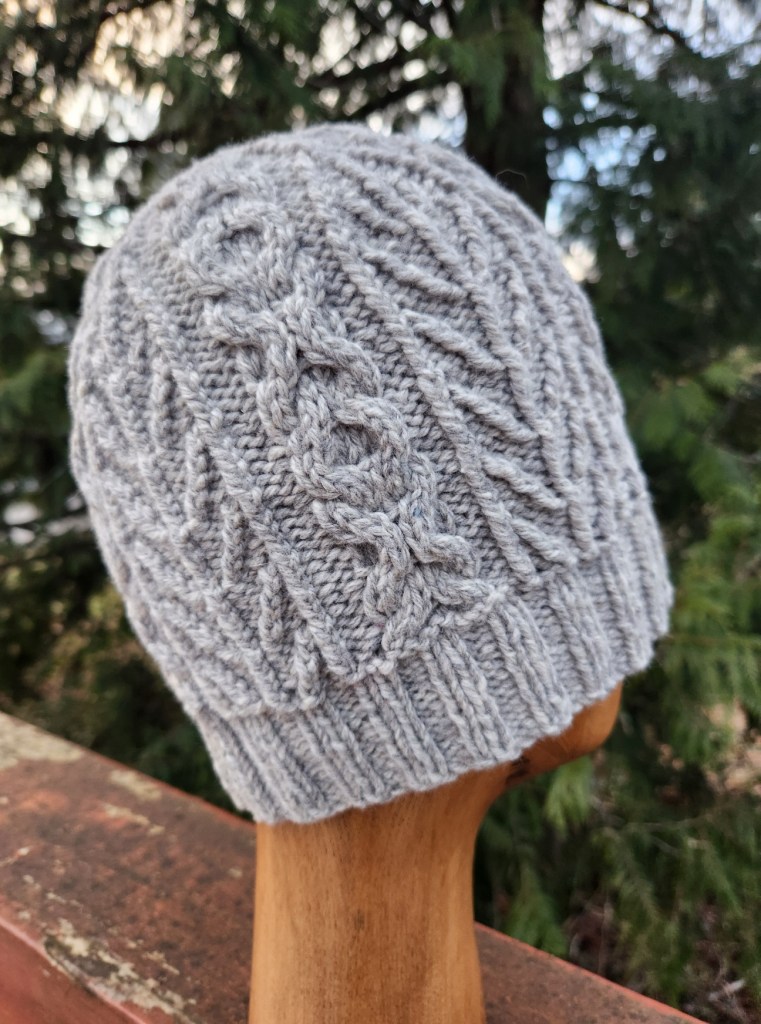
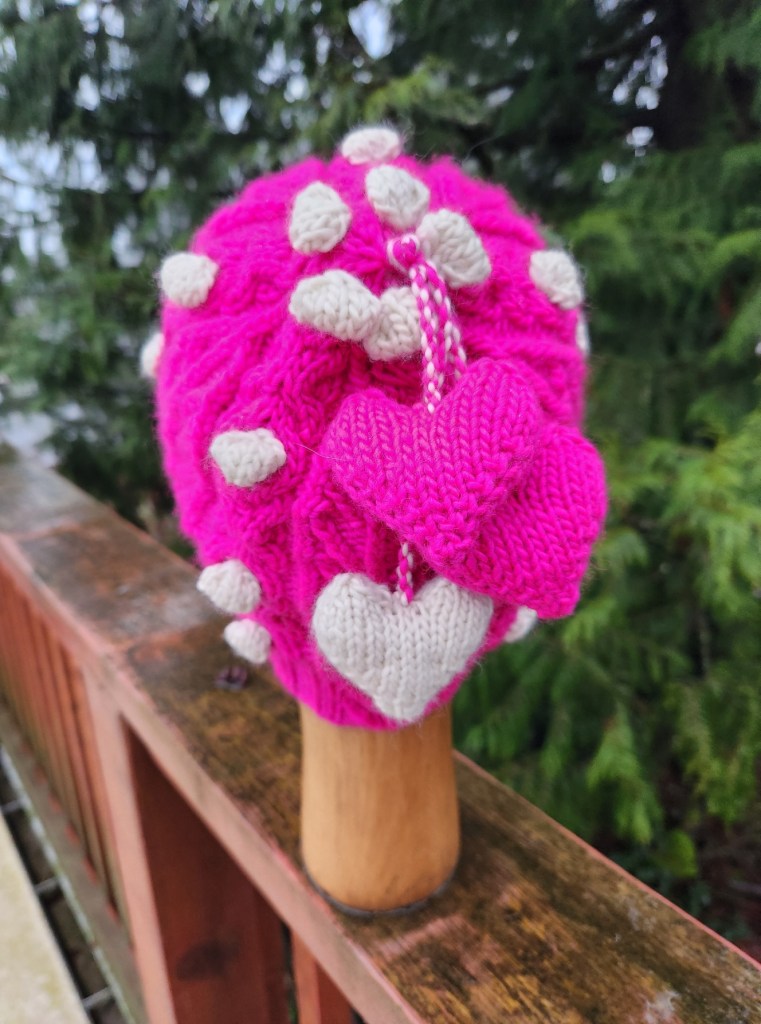
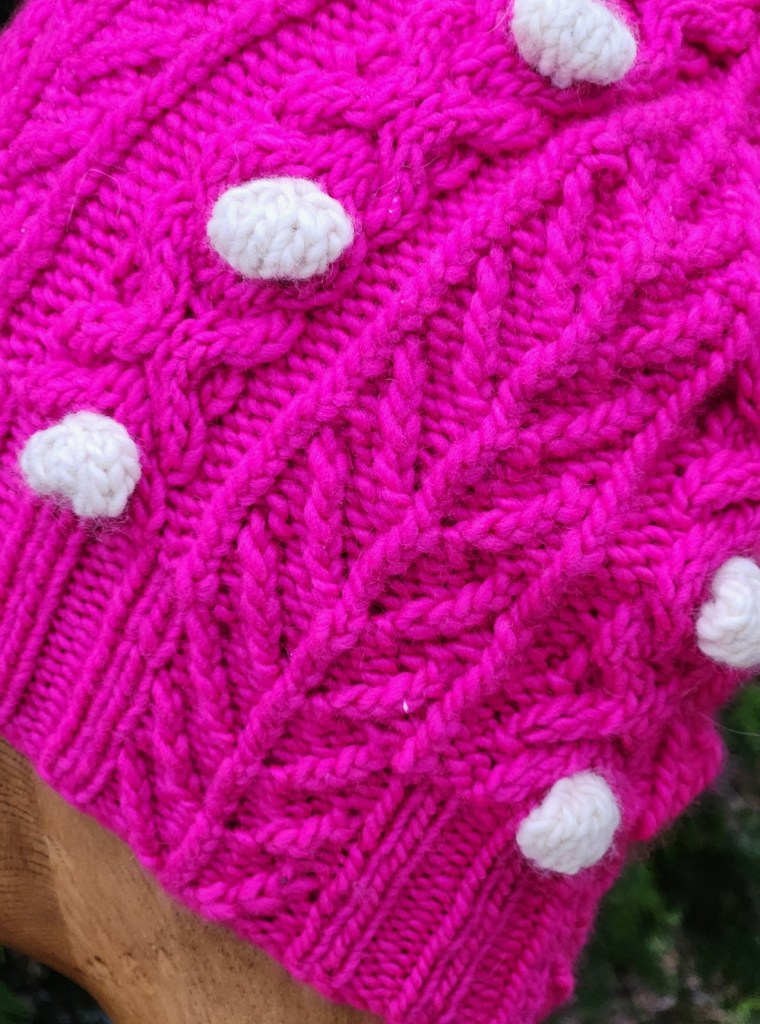
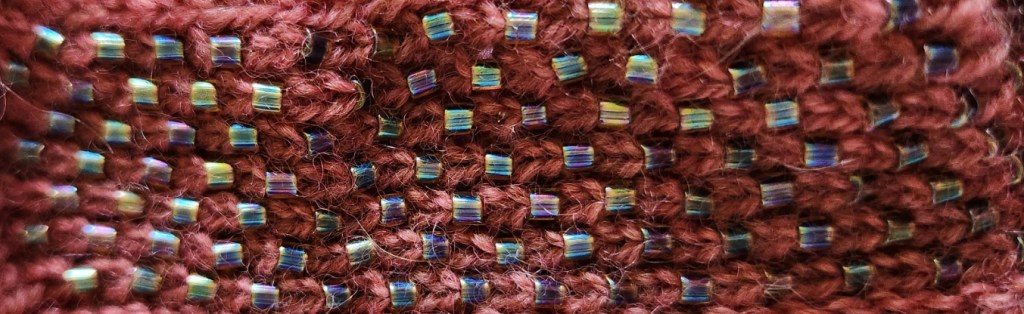
Below is “Smitten” A cabled hat with the “hugs and kisses” cable and the tree of life pattern. Classic in Grey and no bobbles, knit Juniper Moon Santa Cruz in the Palladium colourway! And Wild in with everything – cables, bobbles and hearts, knit with Malabrigo Worsted in the natural and Very Berry colourways.
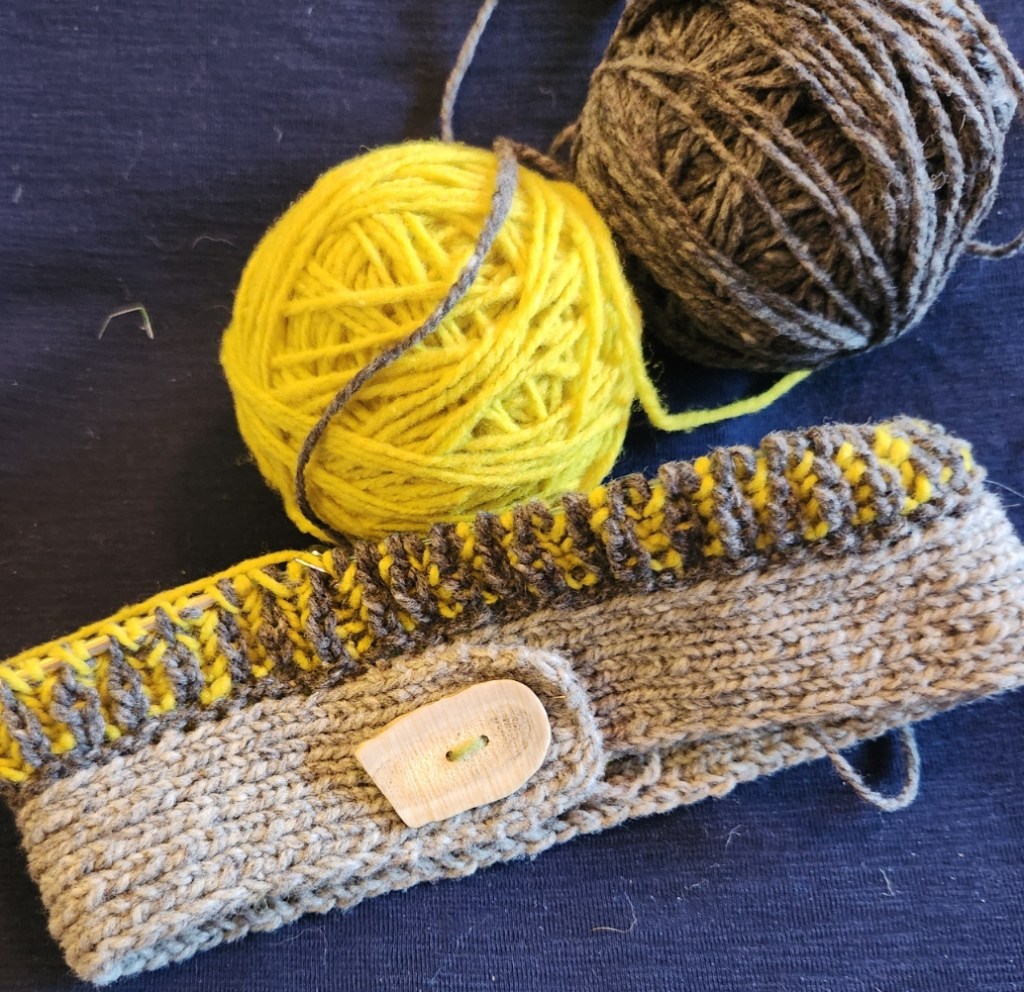
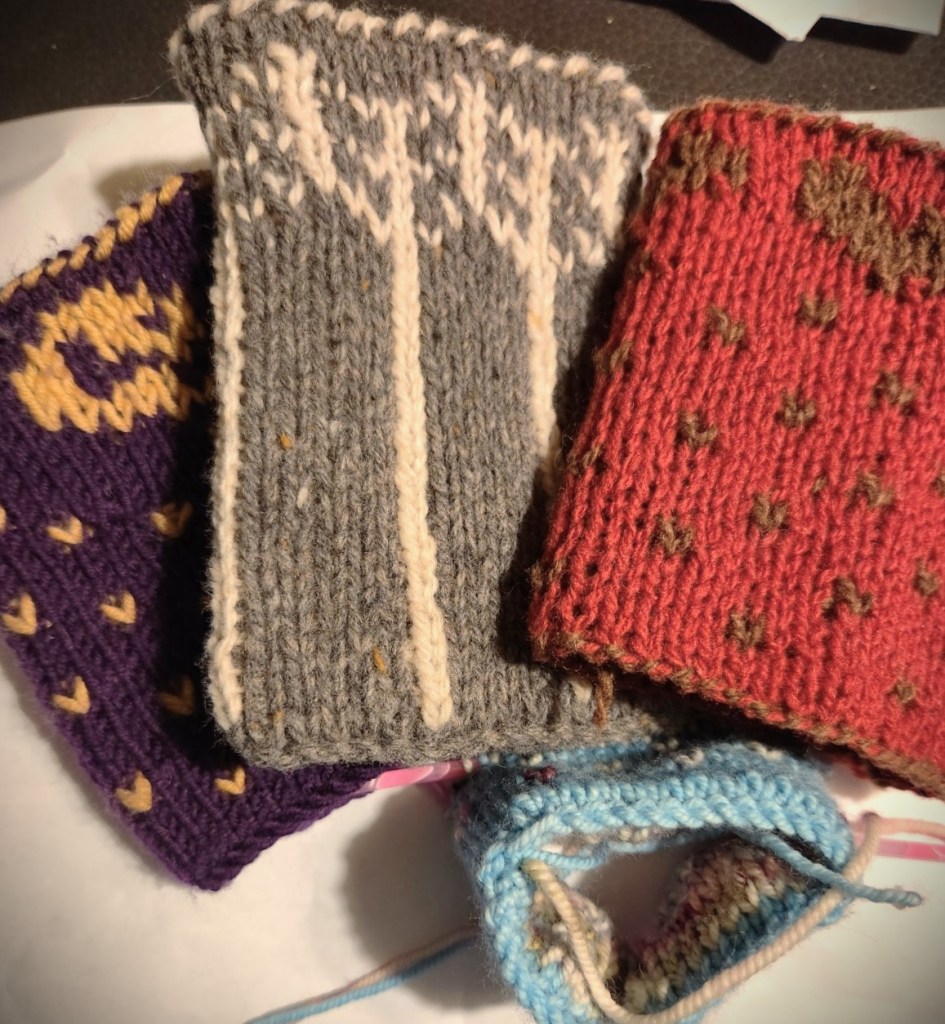
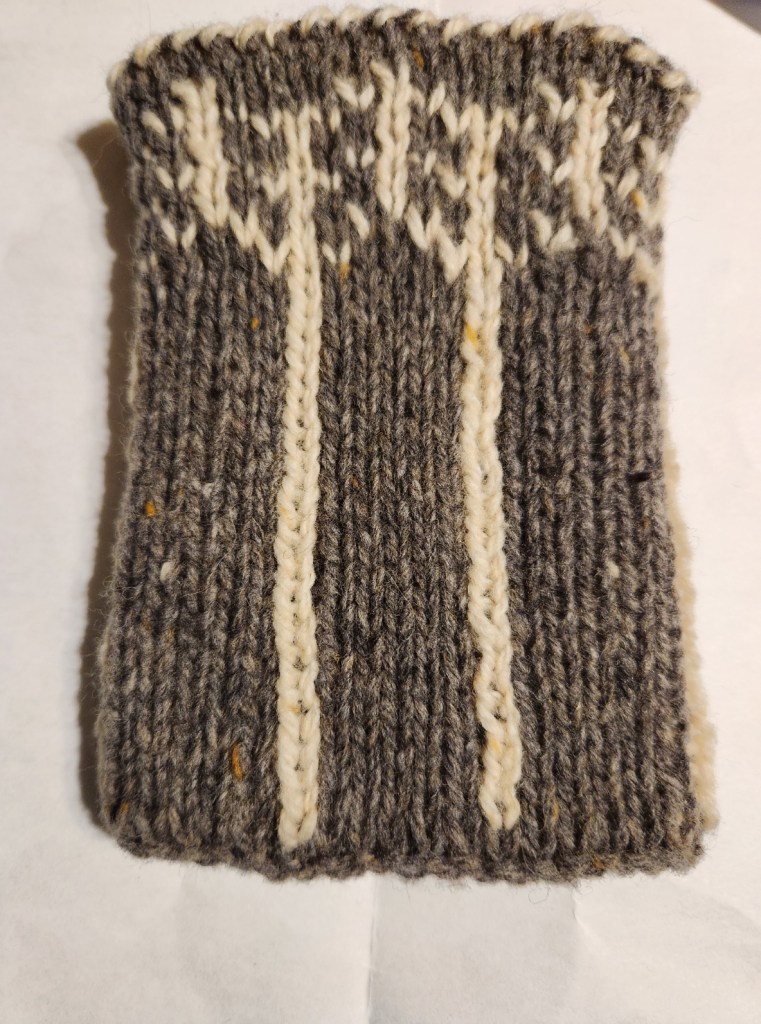
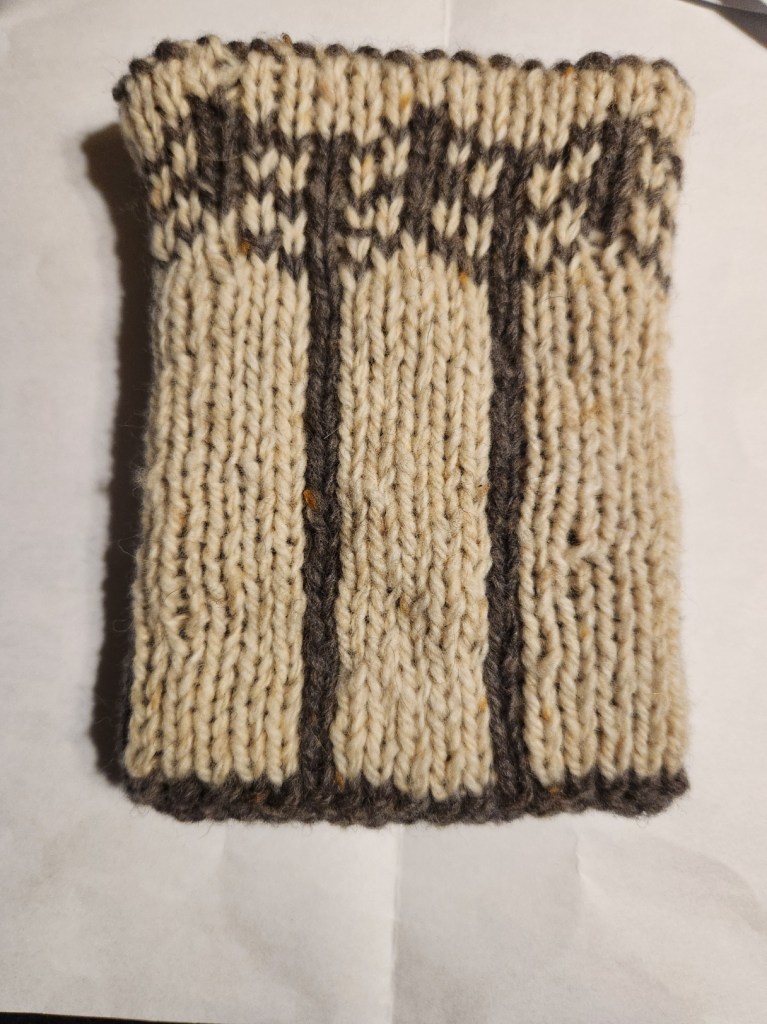
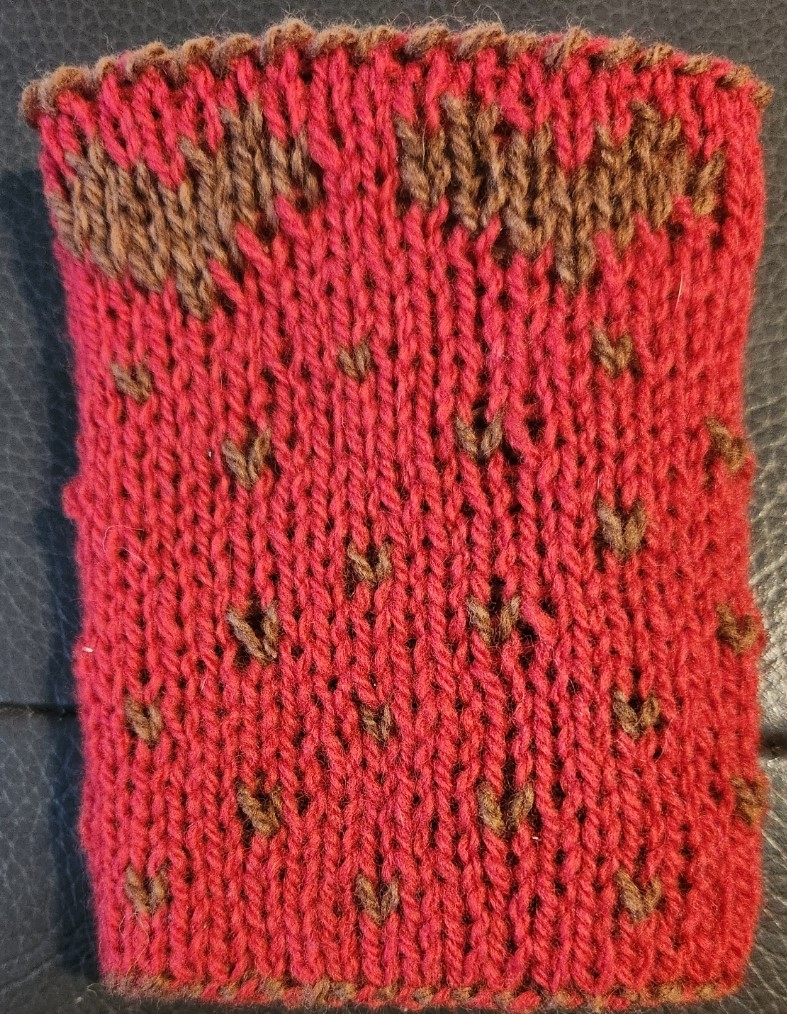
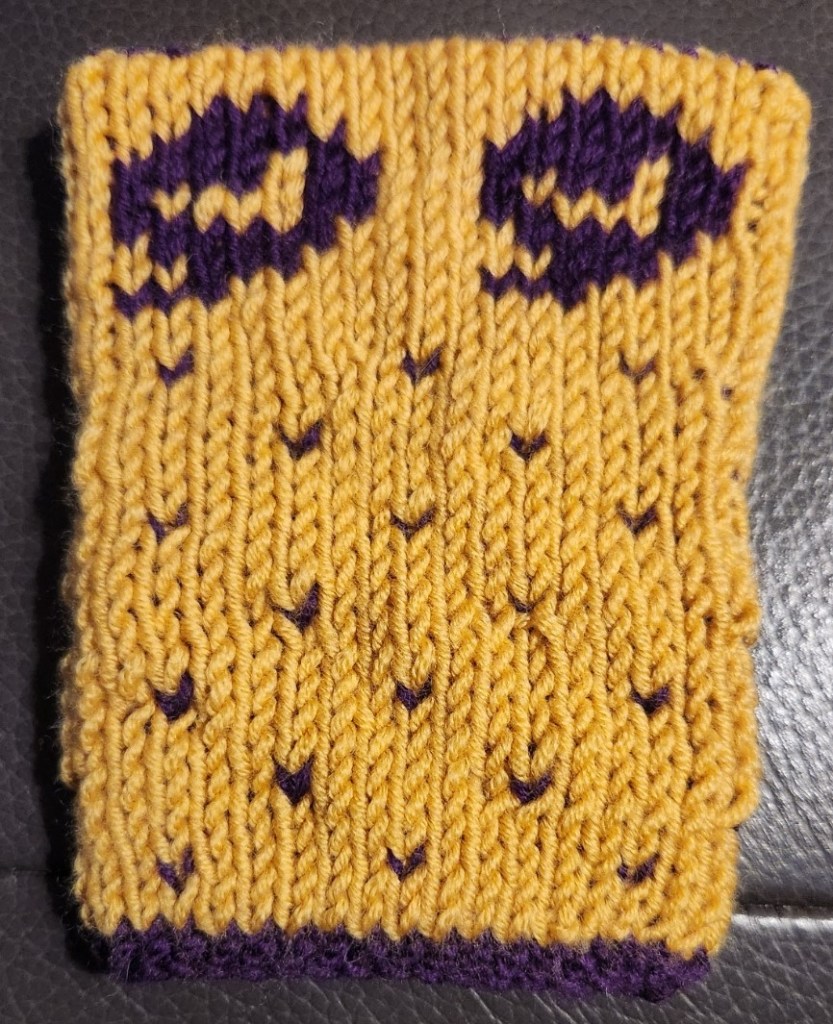
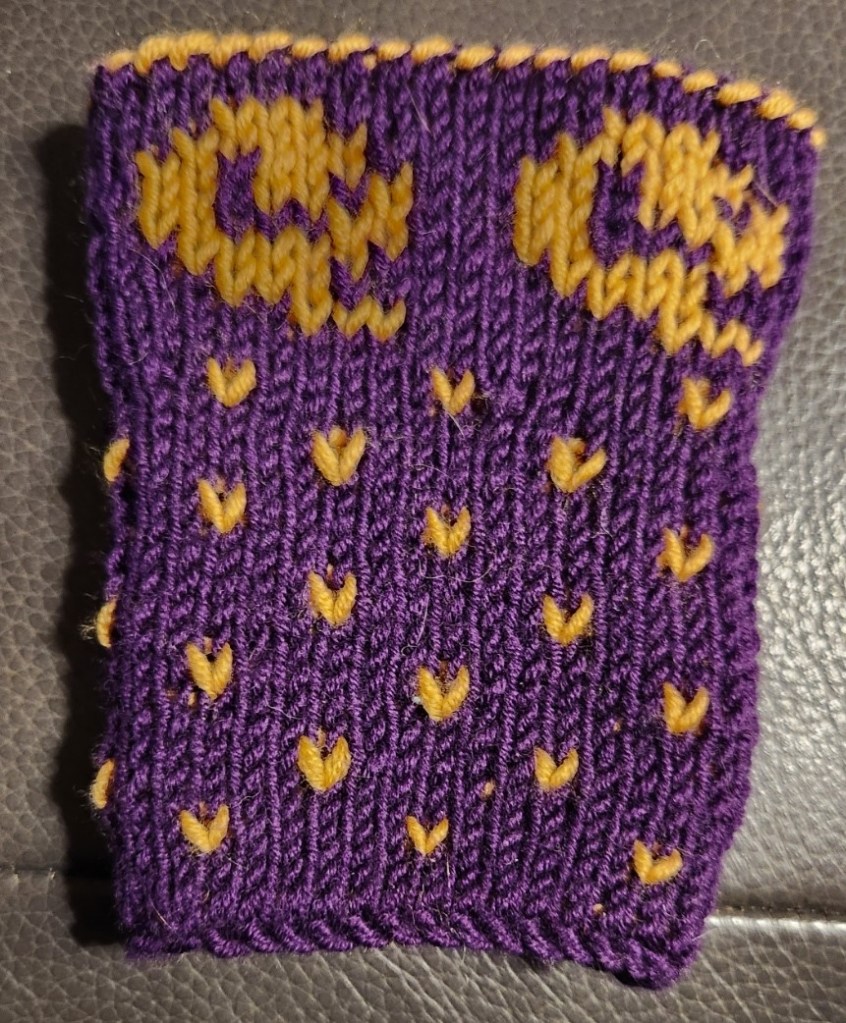
Straight forward and cozy these double knit wristers are super cozy and super easy! These Cozy Wristers can be knit in any dk or sport weight wool that you might have to hand.
Because they are double knit they are also totally reversible.
I hope that your knitting adventures have been moving along with lots of colour and texture to keep your mind occupied and your hands busy!
Is the glib answer. But for me it is a statement about what I am starting to discover about myself and my relationship with the world right now. Now that was the weighty answer. Reality is always somewhere in the middle.
Over the years I have seen several dresses knit by customers, often with my help interpreting instructions and working out gauge issues. These dresses often looked and felt heavy to me. On-line I have seen the most stunning knitted wedding dresses. Made with love from lace stitches and many hours of knitting.
Many knitted dresses are simply a long sweater worn as a dress with leggings. The concept of knitting a dress like this for myself was kind of ludicrous. I am short, quite rounded and I have always thought that a knitted dress, especially a sweater styled dress usually clings, making it look its best on on tall willowy types. I believed that I could never put a sweater dress on and not look foolish.
I am usually an optimist at heart, but not on this topic! I needed to rethink how I looked at my clothing choices.
I had already started to rethink my wardrobe in light of todays challenges with sustainability, examining the concept of slow clothes and the making and mending movements. Then I looked at my wardrobe for what I really wore the most often and what I had been putting my money into. I saw a huge difference between my Summer and Winter wardrobes.
In the summer I wear dresses. Longer, fuller dresses with cotton slips and lots of movement, quite often with vintage details. Several of which I had recently made for myself. I used to sew, in the past, and i am now refreshing my skills.
My winter wardrobe suffered by comparison. Most of my work pants were old except for the two pairs I had made myself. They don’t fit as well as I would like, but they are easy to wear and are made of wool or wool blend fabrics. My sweater and shawl collection really was what my winter wardrobe was all about. I didn’t wear dresses because they were never warm enough. I hate to be cold.
So why not knit a wool dress?
Boredom! The thought of all that plain knitting would drive me crazy. There is a reason why most of the things I knit are colourful, or textured with cables and patterns, or covered in lace patterns, or all three! I am often defeated by large swathes of stockinette fabric.
It only dawned on me recently that my dress didn’t need to be plain and it didn’t need to be heavy and I could wear it everyday in different ways. Sort of like the 100 day merino dress. Though I don’t think I could wear it 100 days in a row.
So I took some time to examine my summer dresses . What was working and why it was working. Every dress was shaped to the waist or an A-line shape. I wanted a shaped dress, not tight at the waist, but shaped and comfortable. I may look at A-line for my next dress.
How to create the shape? I thought about reversing a pi style shawl shaping for the skirt, but I think that might have been too full. I most definitely didn’t want to make a tube and then gather it to the waist, even with a lace weight yarn that is too much fabric sitting at the waistline.
I have knit myself a couple of sweaters that employed shaping around panels and thought that should also work for a skirt. Once decided, it was the matter of researching patterns and panel patterns in particular to create the way I wanted to go.
I am making a couple of adjustments. After 1 more 10-round repeat I moving my needle size down to 3.75mm from the 4.0mm. I have decided to combine physical shaping of the skirt with decreasing panels and the tightening of the gauge. This will make a smoother shape – I think. Everything is a bit of an adventure through this. I am lucky to have knit as much as I have and tried as many types of knitting as I have, it does allow me to make decisions based on experiences in the past. They may not all translate to this project, but they do help form a starting point.
Progress Report
I have knit up to the end of the chart and started my next 10-round repeat. After this repeat I will be changing my needle size. It is looking like each 10 round repeat adds approx 1.5 inches to the skirt when dry blocked. It may add a little more when wet blocked.
I am going to start designing the chart for the shaping panels this week (I have this week off from work and so have extra time). I am thinking that I will start by shaping out 1 panel out of every 3. And shape each of those panels over 40 rounds. I am hoping that this will be a slow enough to keep the shape from “belling out” and just be a smooth progressive line.
Belling out – the decreases are too quick and the dress suddenly looks like it has a line across the skirt where it has been gathered up. If it does bell – the knitting will need to be ripped back and the decreasing will have to be slowed down.
I have had a couple of people ask me why I choose Einband for my dress. They think of it as itchy. I chose it because I have used Einband before, for the Spring into Summer KAL, The Garden Gate Shawl. I was very pleased with the results from that project.
I had knit a shawl and then hand painted it with dyes. Once blocked the I found that the yarn holds the shape well. Something that I felt was important for this project. It also takes dyes beautifully and since I couldn’t decide on a colour before hand I am hoping to be able to decide after the knitting is complete! Maybe I will even paint the fabric with dyes and not immerse dye it. We shall see.
Thank-you to everyone who has expressed interest in my journey to knit myself a dress. And for those of you who wish to join me – here is a discussion of your first consideration – I have already worked out these questions for myself!
In the pattern that you downloaded I offered up three different hem widths. These were just arbitrary numbers based on what I thought my ideal hem would be. It can and should be changed to create the hem that you want. Every other aspect of the dress is created from your hem.
My only caveat is to not make too narrow a hem, unless your skirt is quite short. Remember a comfortable stride is part of a comfortable garment.
How do you decide what might be best for you?
Start out with your favourite dress. The one you love to wear, the one that fits just right. Lay the dress out and take some measurements.
How wide/long is the hem?
How long is the skirt to the waist?
What are the measurements of waist, bust, shoulders, length of arm?
How wide or deep is the neckline?
With this basic information we ask ourselves some questions? Do you want to keep to the dimensions of the original? Is there something about it you would like to change?
For the moment your hem is only decision. My hem of choice is fairly full. Basically about 8 feet, 240 cm around. I like a full skirt. You may not. So look at your dresses and judge from there. I have started a forum thread on Ravelry. Feel free to ask me questions at any point in your journey.
To figure your cast-on for your hem you will need to employ some pithy math.
Pithy Math – My pattern panel repeat is approx 5 inches wide x I have 18 repeats. 5 x 18 = 90 inches. Since I know that this number will be a little wider/longer once properly blocked I feel pretty confident that my hem will be around 96 to 100 inches long 8 to 8.5 feet. Each panel is 21 sts wide, so my math for my cast-on was 18 x 21 = 378 sts. It will create a hem close to what I am expecting.
I do not and you should not expect exact measurements. We are creating a fabric and garment from a string. So many things will affect our final results. What the string is made from. The weight of your string versus the weight of my string. Your tension/gauge as different from my tension/gauge as different from every other knitters tension/gauge!
My Dress
My dress will be an amalgamation of my current dresses and a favourite dress from memory. So it will be all its own. The colour will be whatever my favourite colour is once the dress is complete. Right now it would be a very bright pink. Probably not by the time this dress is finished. It will most likely be a jewel tone though, probably not a subdued colour. I do love the deep jewel tones.
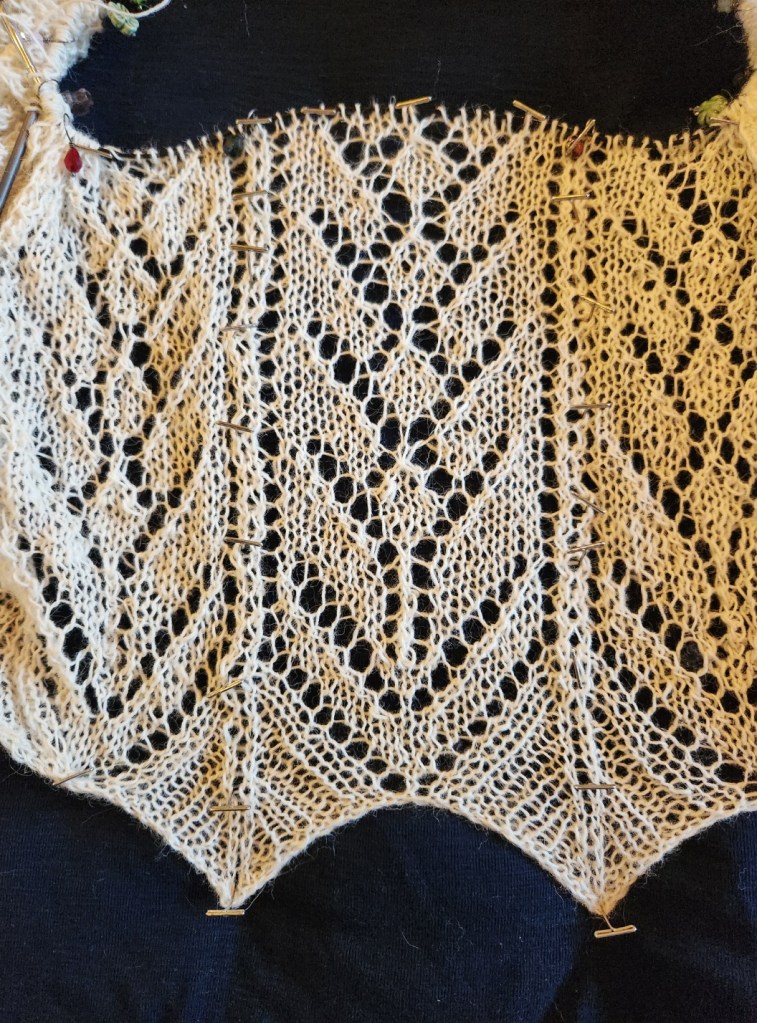
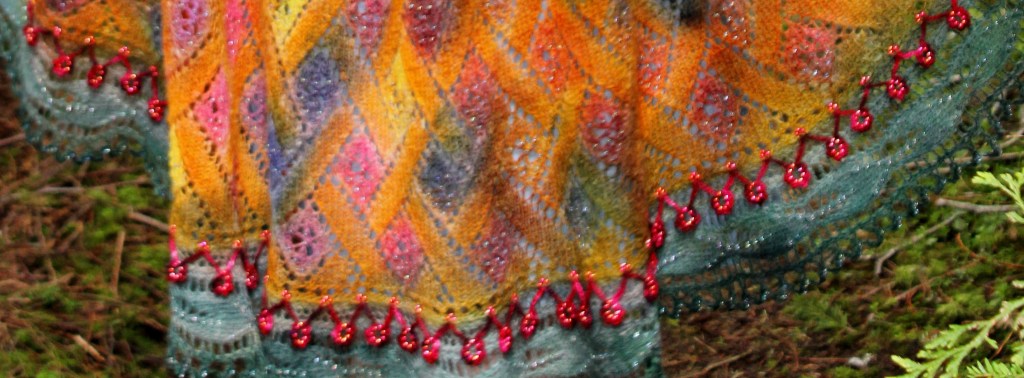
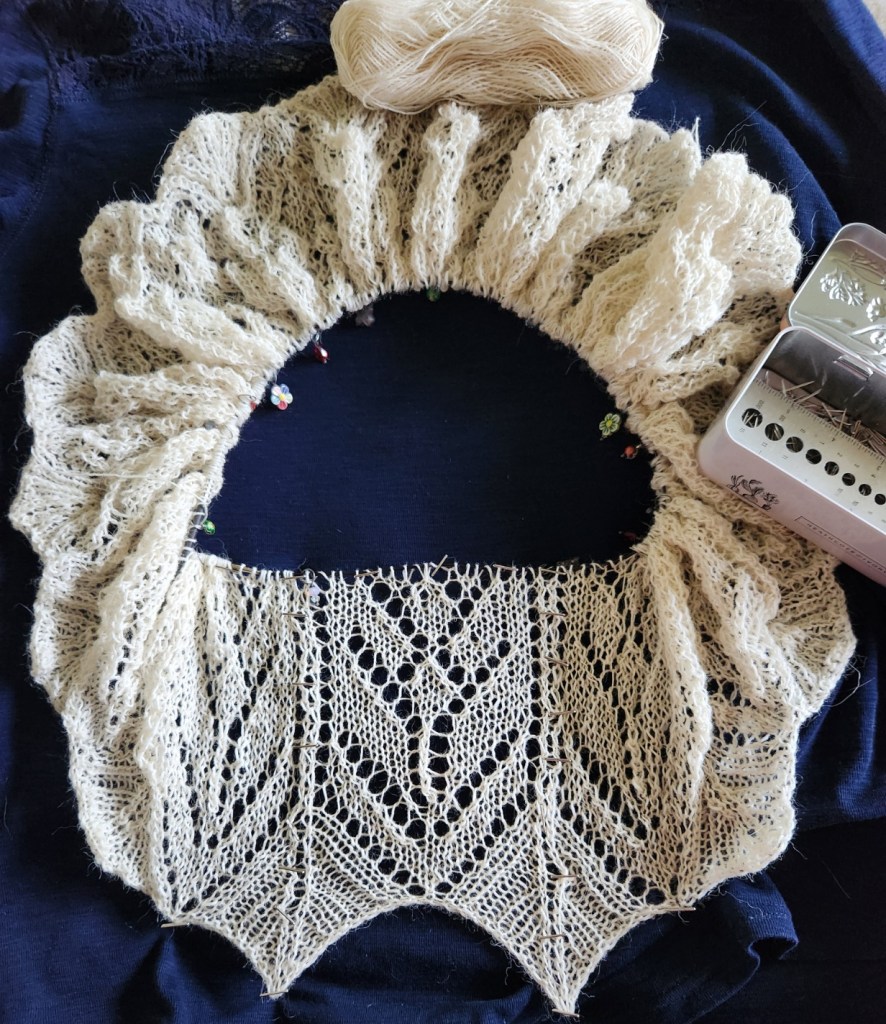
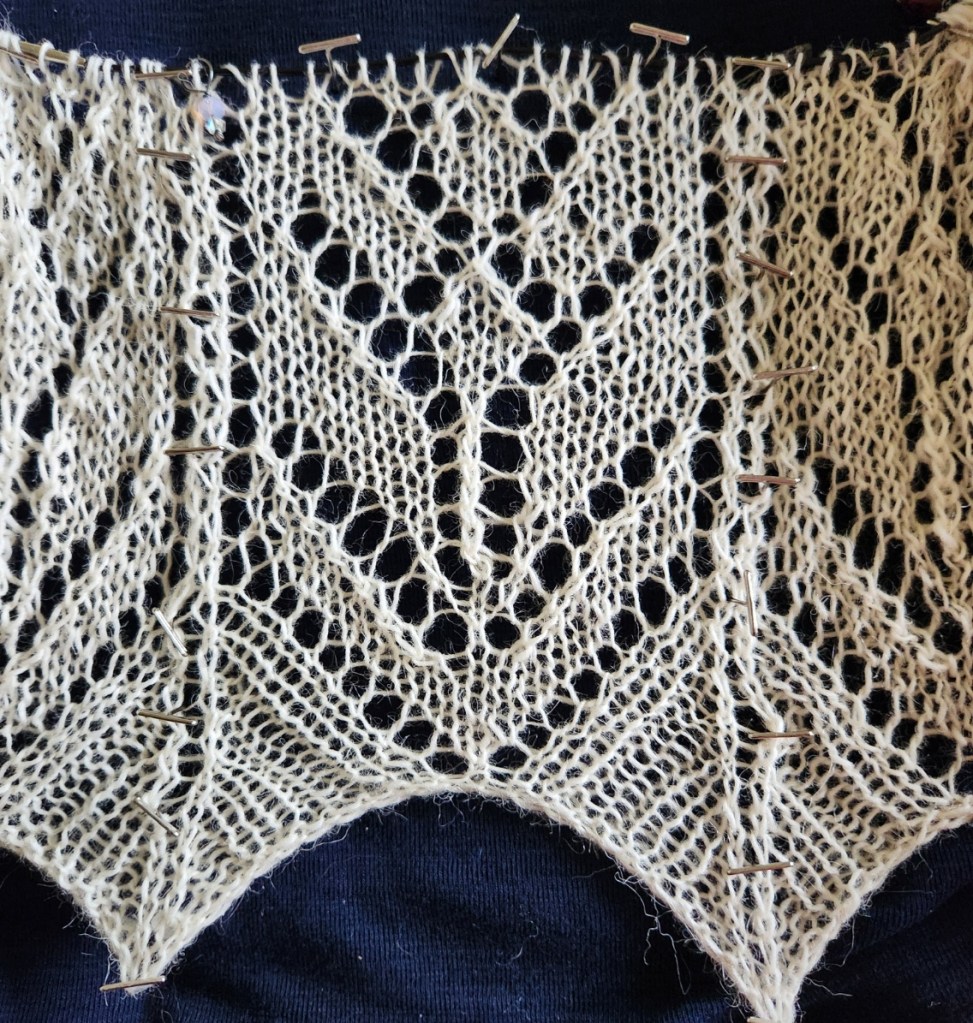
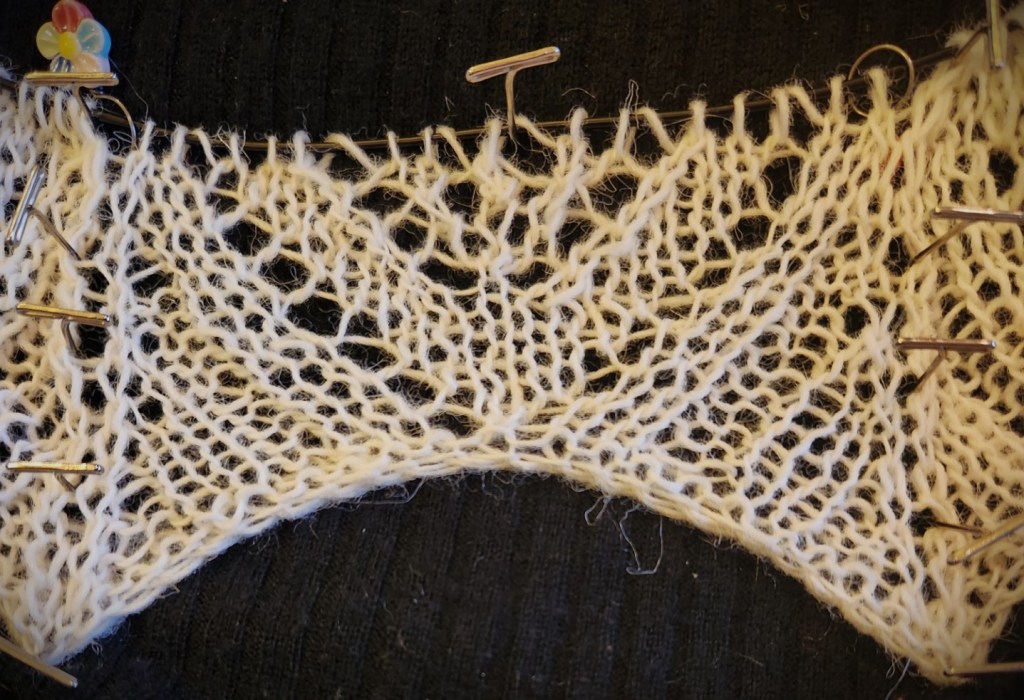
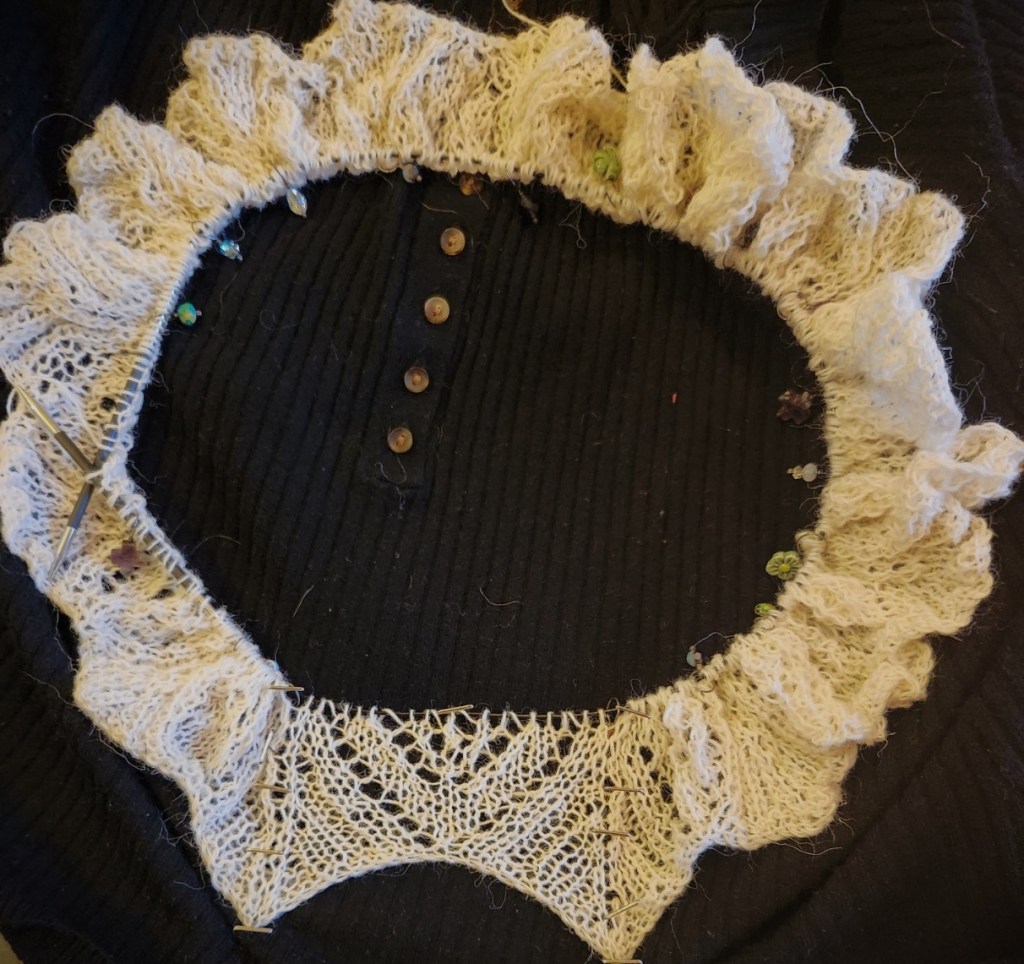
Here is the hem on Francine. Wouldn’t a variation of this make a great collar. And it would need beads of course!
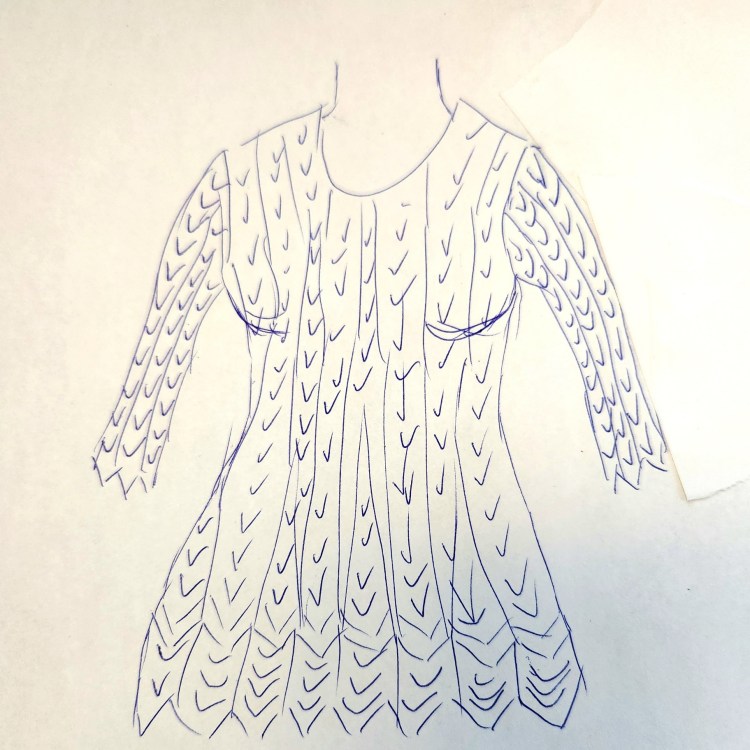
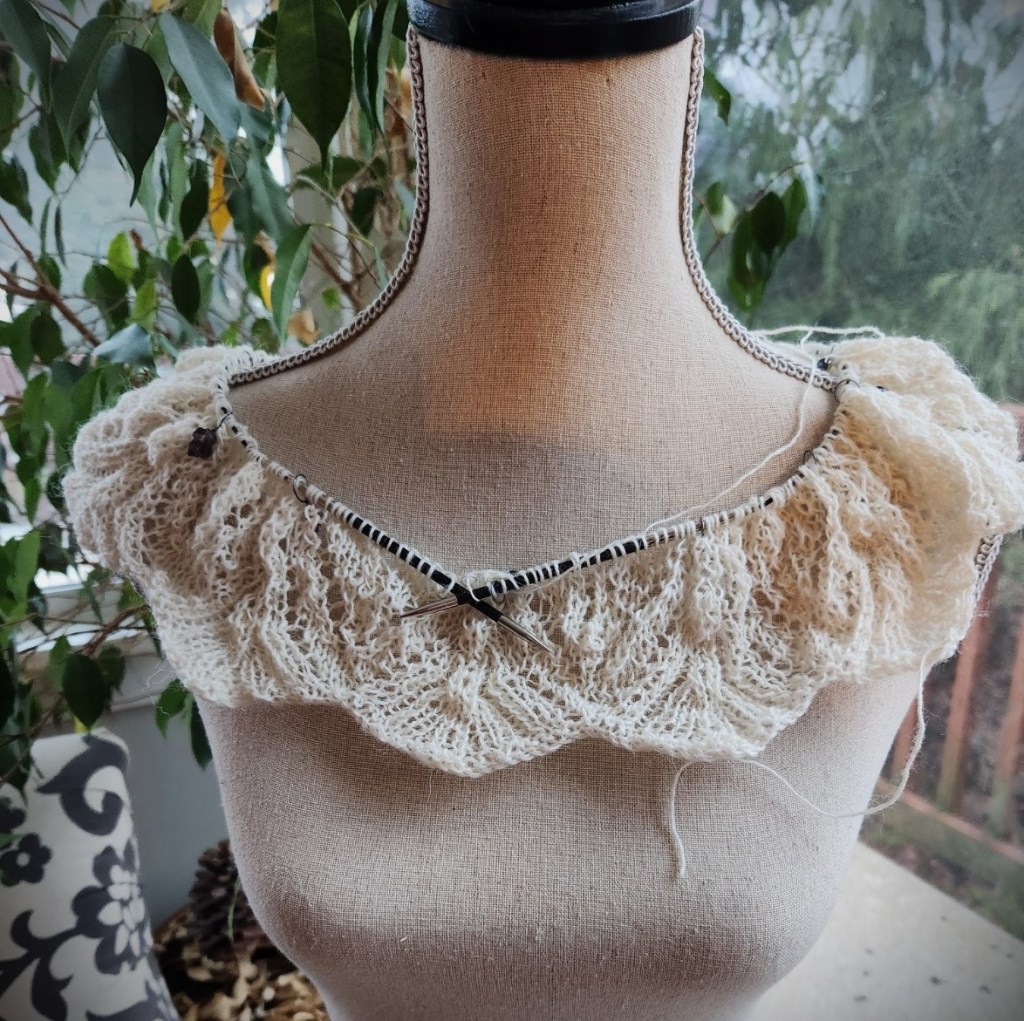
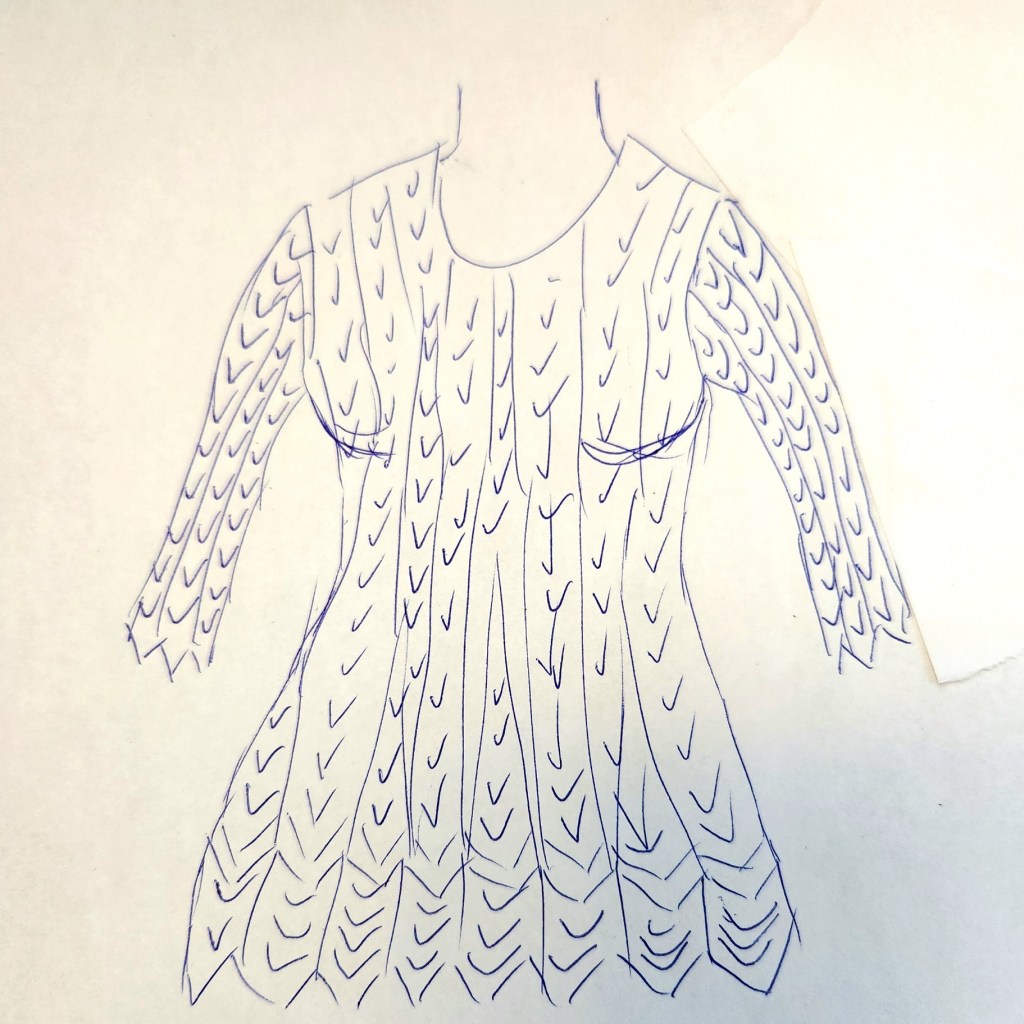
I am hoping that my dress will be fairly close to the sketch. I will be adding a collar. It will be a gathered collar and it will be beaded.
That is the only known fact about my bodice. And I am thinking that there may be beads on the bodice and sleeves, that could change. I am also thinking that I may sew a simple slip to wear under my dress, maybe with a knitted lace edging, that could change.
A big part of process, once your hem is decided and you have started knitting is dreaming about all the parts that will come next. Knitting the skirt will be the longest part of the process. There will be lots of time to think. I am already thinking ahead and keeping and discarding my ideas. You can too!
A little over a year ago I decided to knit a dress for myself. I bought the yarn, did some swatching and started to knit.
My father’s illness and subsequent passing sort of put everything on hold.
Yesterday I pulled out my knitting and decided it was time to start it again.
Would you like to knit a dress for yourself? Come and knit one with me. It is free. It is “pithy”, to quote Elizabeth Zimmerman and it (the pattern) will be very flexible. This will be a creative recipe, a guideline, not a hard and fast pattern that you can only knit one way!
This pattern is designed for intermediate knitters with some experience with lace knitting. The lace patterning will not be difficult, in fact knitting the skirt could be a little repetitive and boring. Shaping, and fitting the top of the dress could be a little challenging. But by then you may be a professional lace knitter.
Dress pattern will be written and charted. You can find the link to the pattern in my Ravelry Store and on a post in my forum, also on Ravelry.
The dress is knit in panels. The dress starts at the hem and will be shaped to fit loosely at the waist and darted to fit a bust line. There will be sleeves, but as they will be fitted they could be omitted to turn the dress into a sleeveless dress or jumper. I am sort of putting in three sizes. Right now those sizes refer to the hem. How wide do you want your hem? These sizes were created from my gauge.
There are two panels to choose from. One (titled Skirt) will give you a lace panel at the hem and a solid skirt (the shaping will still work in the panels, these panels will also be solid knit)(no picture available). This was my first idea. Then I decided I wanted more lace and less plain knitting. I suffer from boredom without patterning.
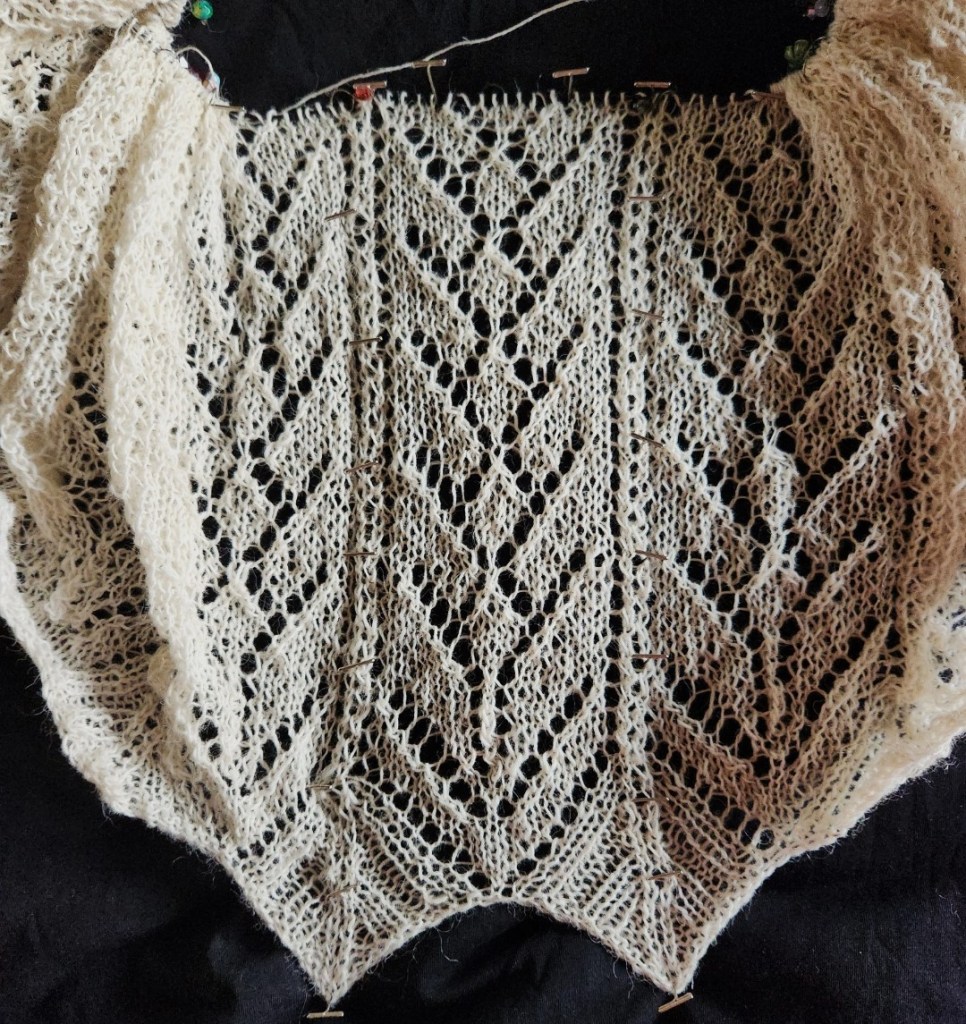
The other panel (titled Dress Panel), the one I will be working, will create linear lines of lace up the skirt, through the shaping and into the bodice. Work the first 29 rounds as written and then repeat rounds 30 – 39 for the rest of the skirt.
Please note – the shaping panels have not been written as yet. They will be added when I get there, maybe in about 4 months. So don’t hurry your knitting along. I will not be.
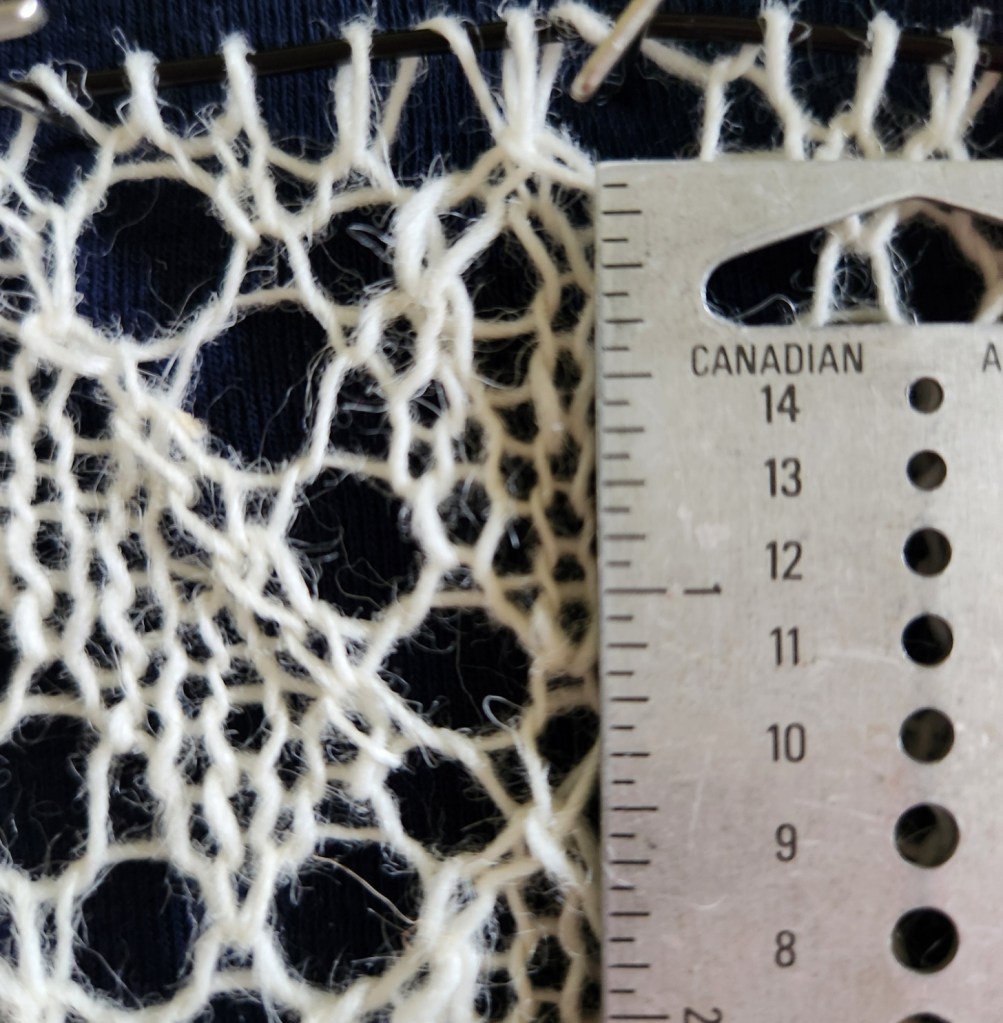
My gauge is roughly 5 inches per panel (dry stretched, and pinned) I am expecting that the actual hem may be a bit larger.
Why Panels? Panels will allow the knitter to easily add or take away panels to the cast-on (how full do you want your hem to be?) and then remove them when I start adding the reducing panels. I recommend adding repeats in either, twos or threes – to make the later shaping easier. So you can take away the stitches evenly around your skirt.
Each Panel is 21 sts – 5 inches.
I am working with Lopi Einband – a heavy laceweight (or light fingering). I have approx. 2500m in my stash. I am working with undyed yarn so that I can dye it later. For a longer or fuller skirt up to 3000m of yarn might be required.
You can work with any yarn from light fingering to sport/light DK. The needle size is 4.0mm US #6 circular.
You will need to work a circular swatch to check your gauge. Or not, a swatch is just for your information.
By the way – my size is 50 inch hips, 42 inch waist and 43 inch bust. I am planning my skirt to come to just below my knees, so approx. 22 or 23 inches long. I will start the skirt shaping at about 15 inches in length. I have just over 2 inches (16 rounds) knit so far. This will not be fast. I am thinking the dress will be a year or two in the making.
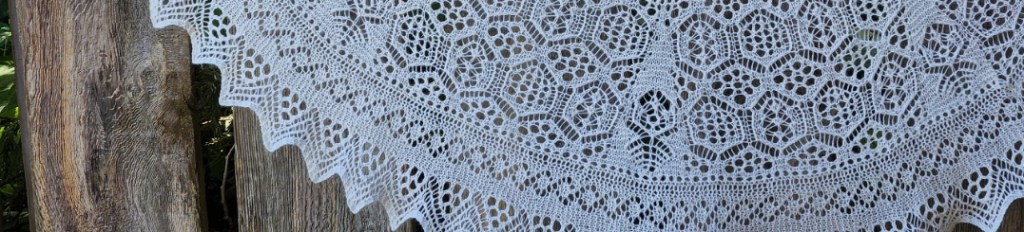
It is no secret that I love to knit lace, the more complex the better. I love to design the lace first and then dive in and explore what I think the design should do.
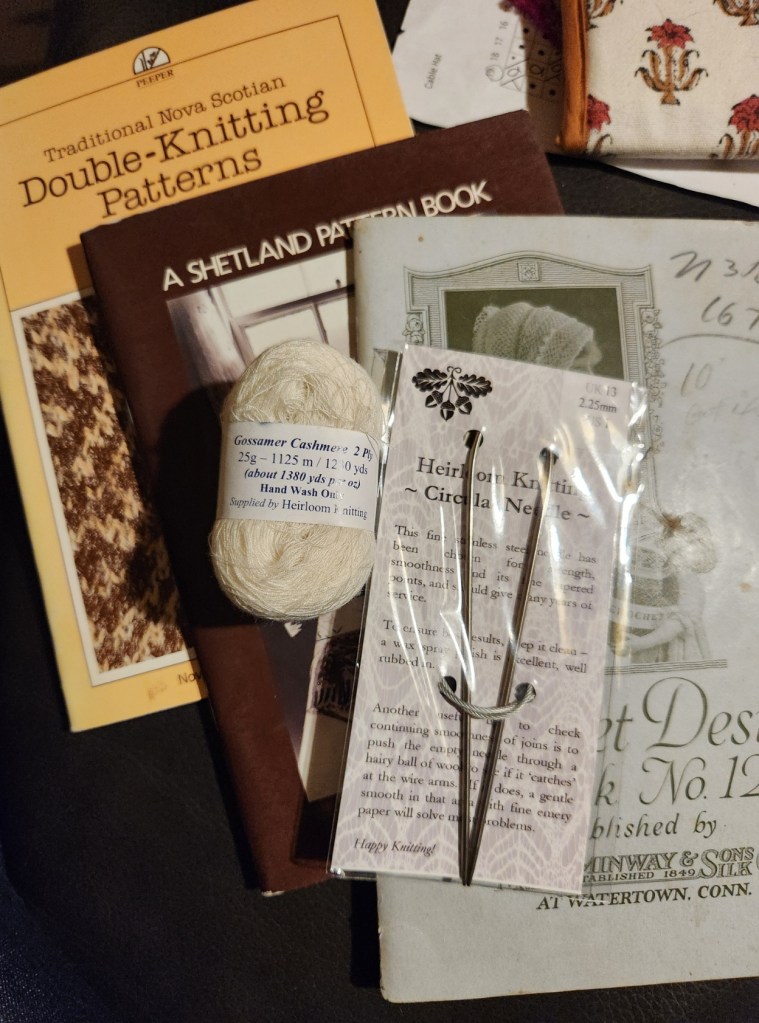
I have knitterly friends who love to aid me in my process. Anne is one of those friends. We really got to know one another about 10 years ago at one of Mad About Ewe’s Retreats and have talked a few times over the years. She came in recently and asked If I was interested in working with some Gossamer Cashmere yarn from Heirloom knitting. She came back a few days later with the yarn and some vintage knitting books! Such a wonderful gift.
And of course, I am interested!
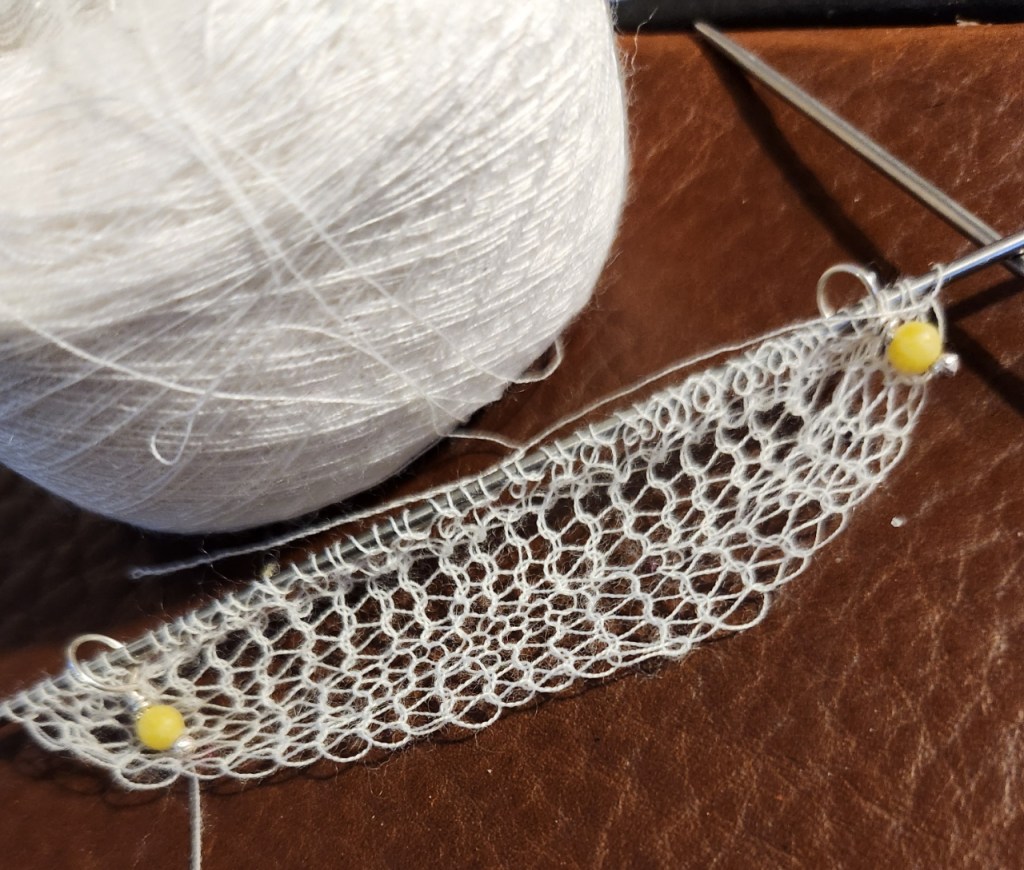
I received the yarn on Monday. This beautiful yarn, a 2-ply cashmere that weighs in at 25 grs with 1230 yds in the ball is going to be a challenge!
Monday evening I was swatching. I felt a little like Goldilocks, it took three tries before I decided on the correct needle size to get the look and feel I wanted. I am going with a 1.75mm and I am using the beautiful lace needles from Heirloom Knitting. They have such smooth joins and a great cord.
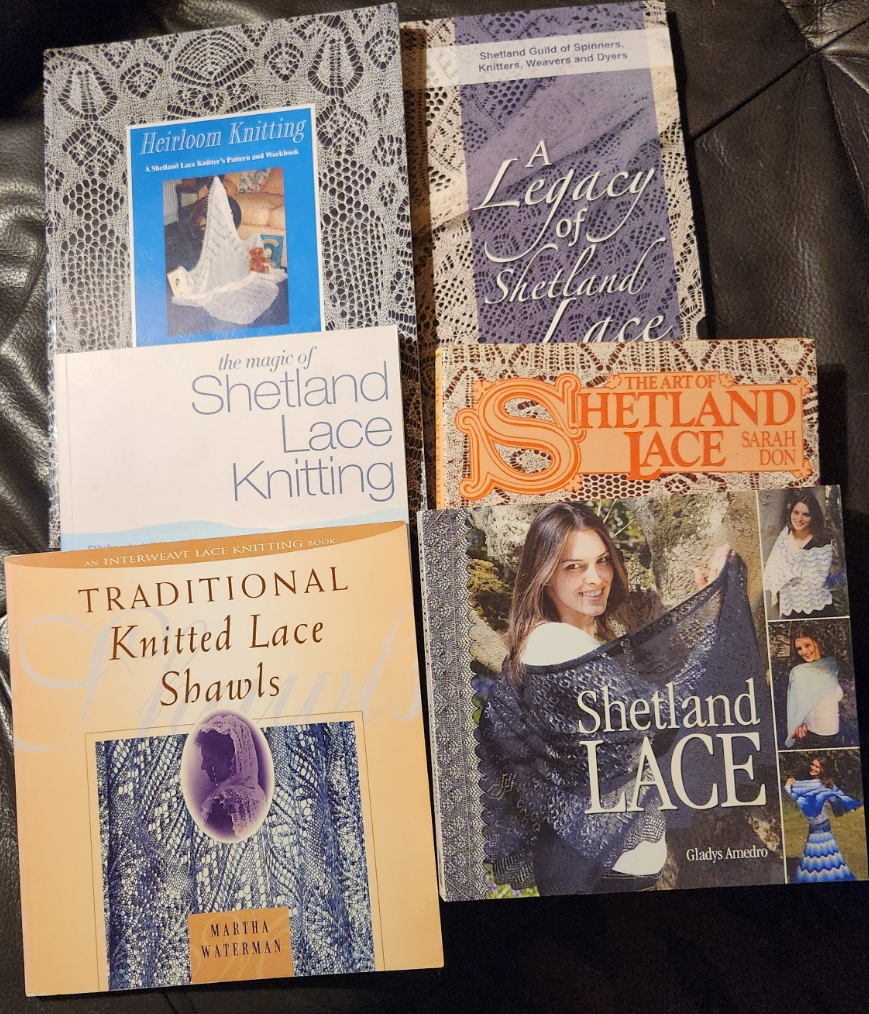
Right now I am pouring over my Shetland Lace Books. Looking at the patterns and thinking about the shape – I am pretty sure that I am looking at a half or three quarters circle – but I might also need more yardage. So I have things to consider.
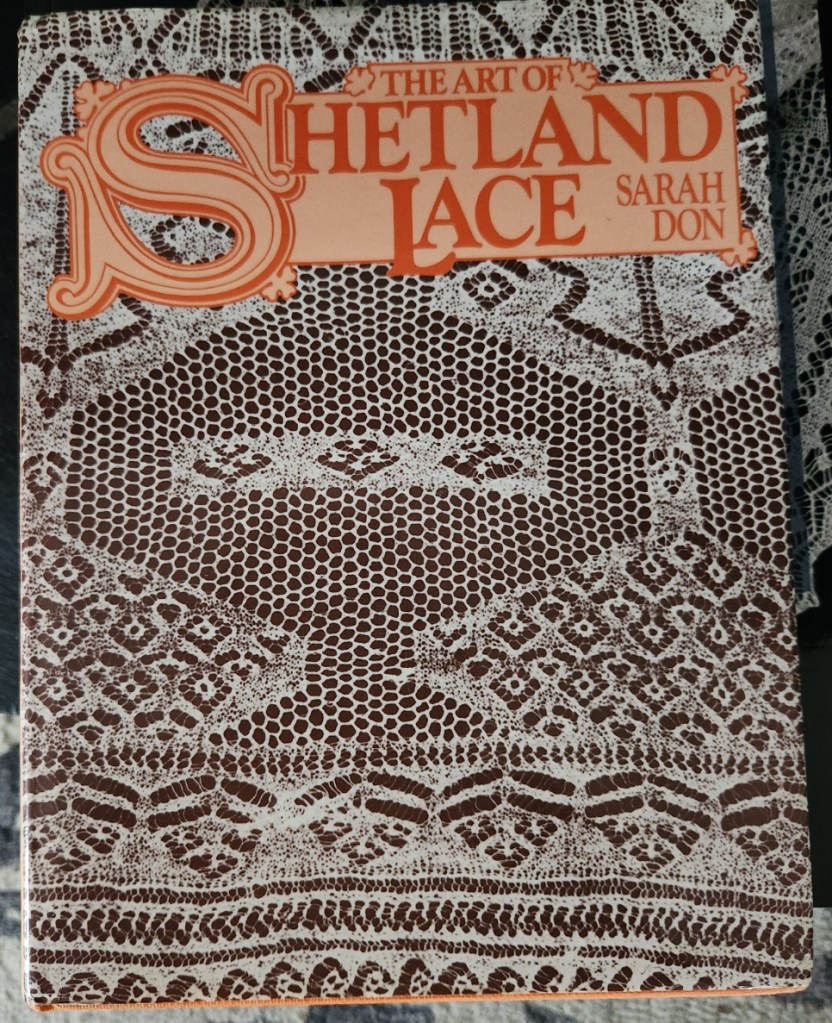
Another knitterly friend gave me her copy of the Sarah Don’s The Art of Shetland Lace. It has a lovely inscription from Jeanie and I treasure the book.
The Art of Shetland Lace was published in 1980 and includes photographs of some of the amazing lace work from the the (Lerwick) Shetland Museum and Archives. It was an amazing book for its time. It is notorious for all of the pattern mistakes. But it was for a long time the only source of Shetland Lace Patterns. It was last reprinted by Lacis in 1991.
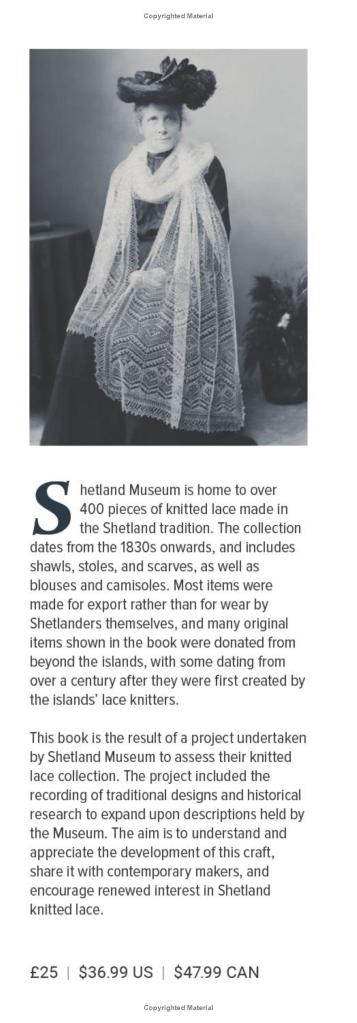
At the same time as I was contemplating this new project I was also getting messages on instagram that a new Shetland Lace book was coming and will be available at the beginning of April –Shetland Fine Lace Knitting. This is book is written by Carol Christianson. It was written to assess and chronicle the Shetland Museums Lace Collection and will have pictures, swatches, charts and some of the history of lace knitting, most from the Museum. I am so excited!
Shetland Museum and Archives
Just a note on the price of knitting books. This new book is just under $50 and is over 200 pages. The Sarah Don book still has the original price ticket. It was $26.95 and has 100 pages. The current buying power of $26.95 from 1980 today is $100.00. Sobering thought. Books are not really that expensive today if you look at it in this manner.
So I have started the set-up for the shawl, but is going on hold until the new book is here. I might knit just a little bit more, because I can always add to the design!