Le Tissier Designs

Of Larks and Linnets and Flying Fingers

Category: Design Process

  • Working on the Fall

    Working on the Fall

    Really it is still Summer, but the evenings have a little chill and it gets dark just that much earlier, letting us know that Summer is on the way out! So I am working on stuff for the Fall, both personally and professionally!

    Part of my job description is teaching. I teach people how to knit, how to knit better, how to execute specific skills that you, the student, may want to add to your repertoire. It is one of the more challenging aspects of my job. Just figuring out what to teach and how to present the goals.

    Professional Projects

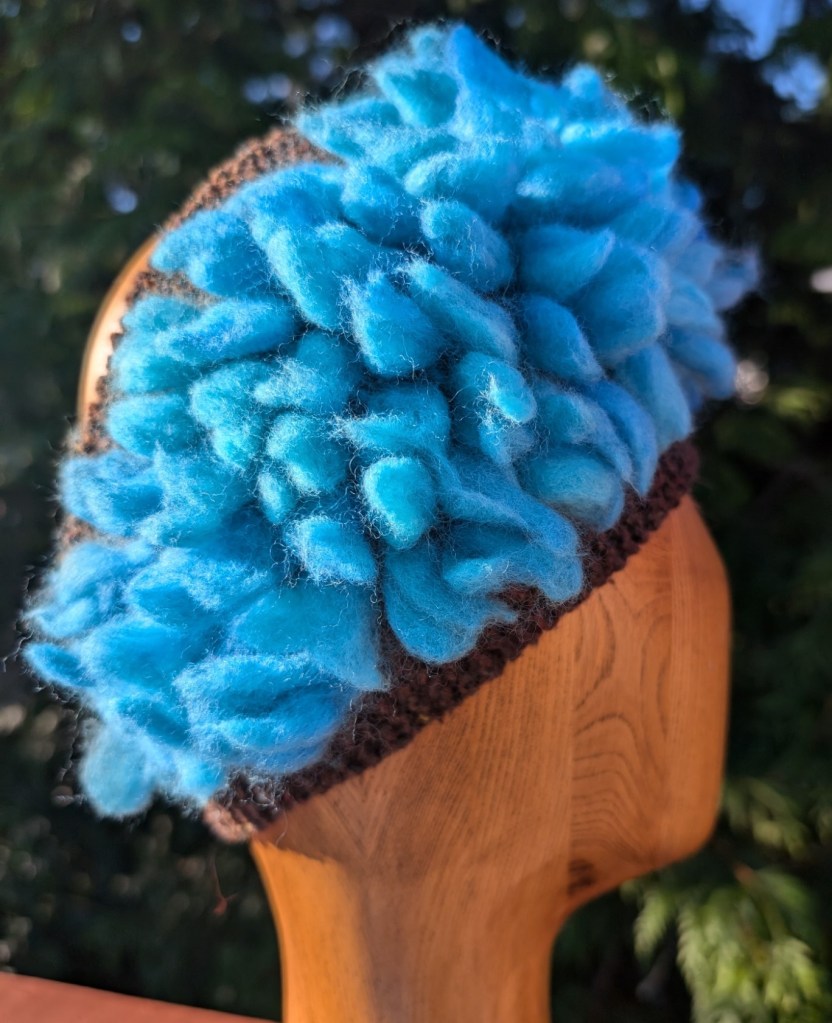
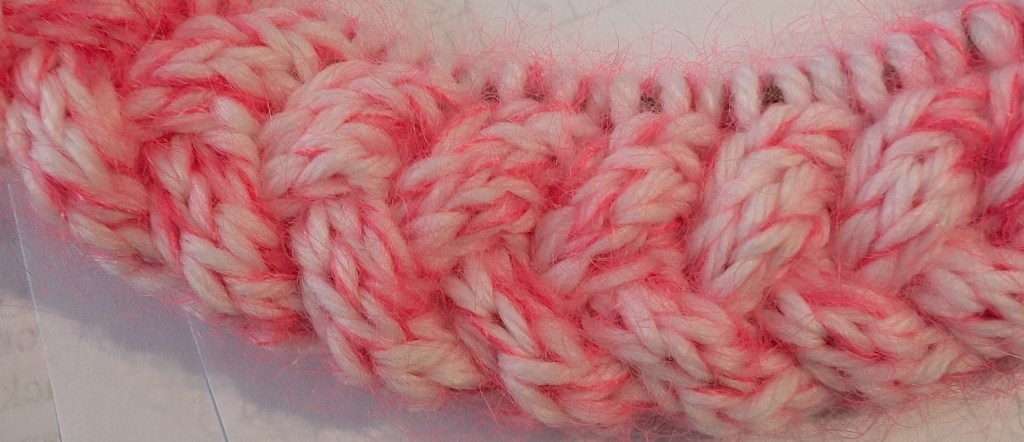
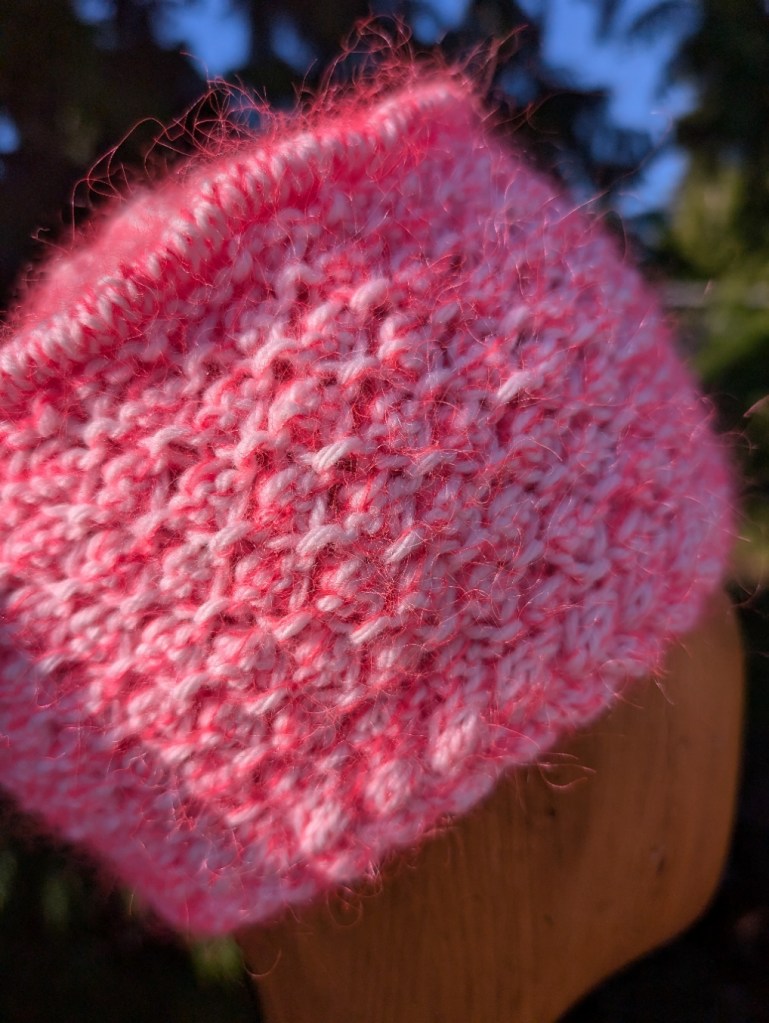
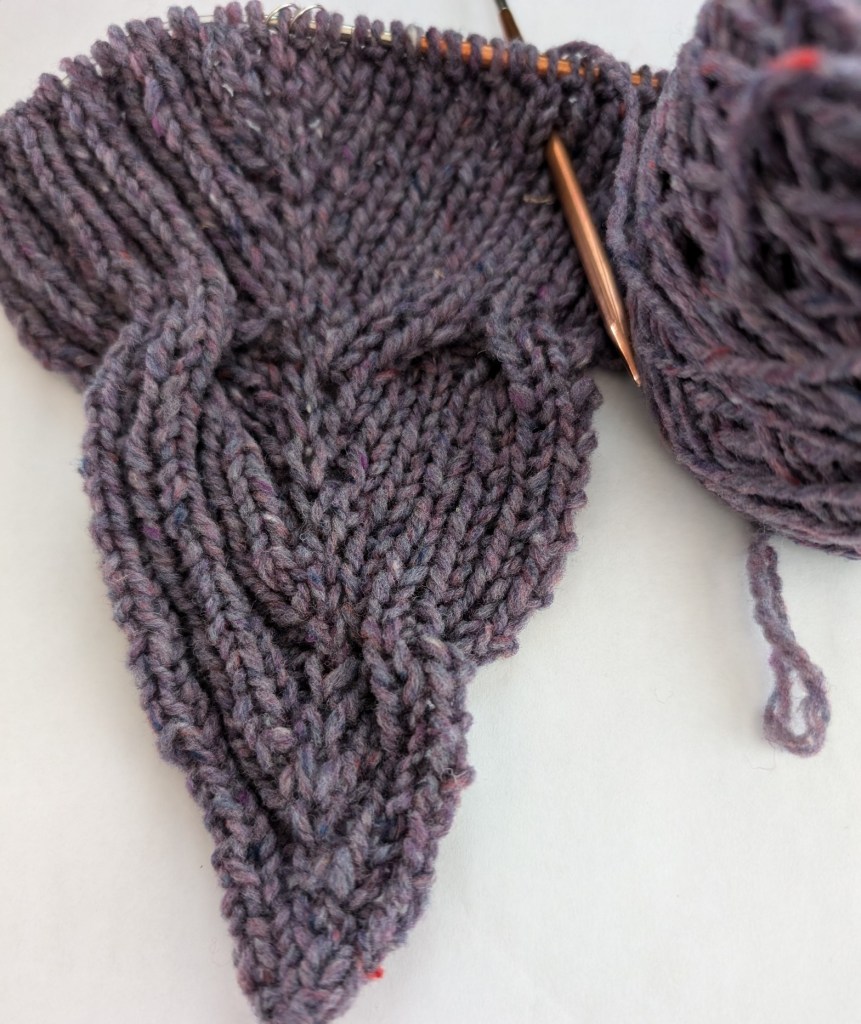
    This fall has started with a successful Thrumming class and a not successful cables class. Perhaps the project wasn’t interesting enough or perhaps those who wanted to learn were looking for something more traditionally shaped. I will still write up the pattern later in the fall as I really do like it a lot! The thrumming headband will be out later this week.
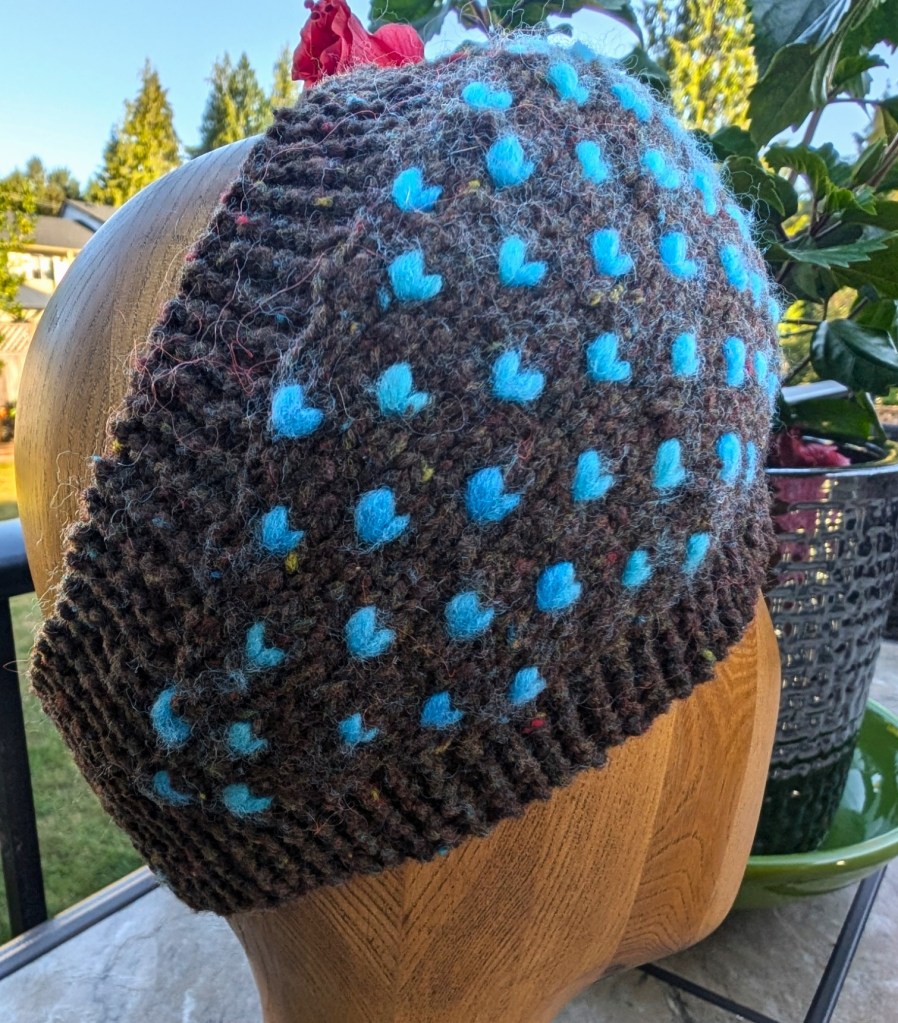
    Right now I am working on a 3 part series on finishing for knits. This is loosely based on a Fear of Finishing Workshop that we at Mad About Ewe Fine Yarns ran for years. It was our most popular workshop – Tons of information presented in a six hour workshop. Everyone went home dazed and confused. So this time, it is three, four hour workshops, with time in between so there is time for everything to sink in!

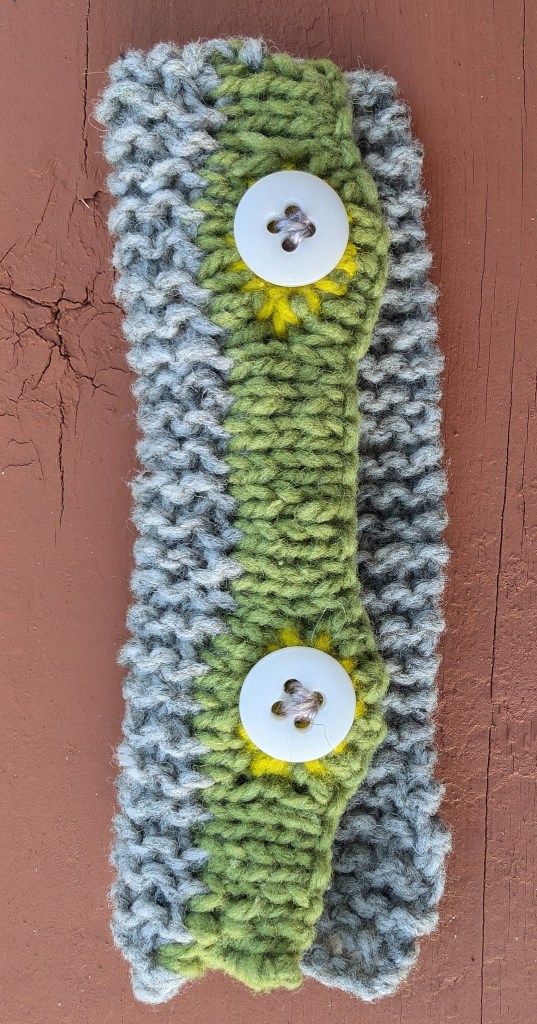
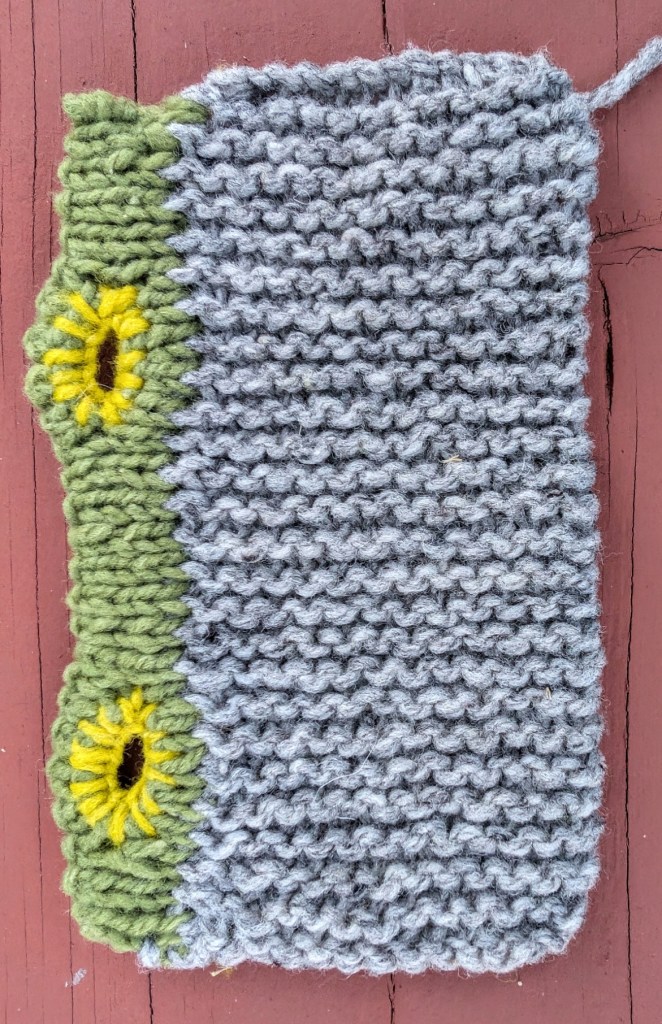
    Part 1 – Button Holes and Button Bands. This will be an in depth look at how to pick-up stitches to create button bands. We will look at ratios and gauge, at button holes large and small, how to sew on buttons, and we will start to look at I-cord. This class is already more than half full and I think that the new format is going to work really well.
    Part 2 – Seams – I think that says it all. We will look at ratios – ratios are very important to all aspects of finishing. There will be 8 seams built off of the swatches. Seams will include; grafting, 3 styles of mattress stitch, 2 styles of 3-needle bind-off. One unique seam and I am still looking for the last option. There may be some finishing techniques as well.
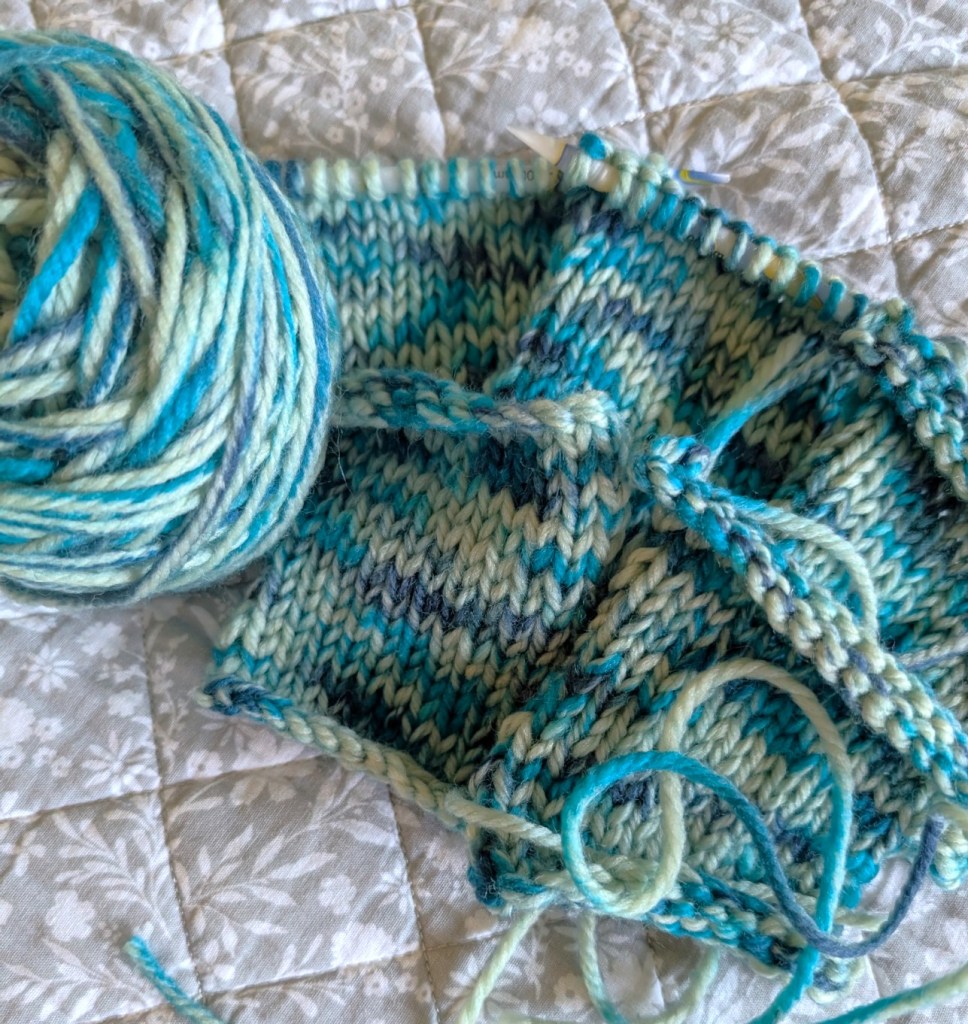
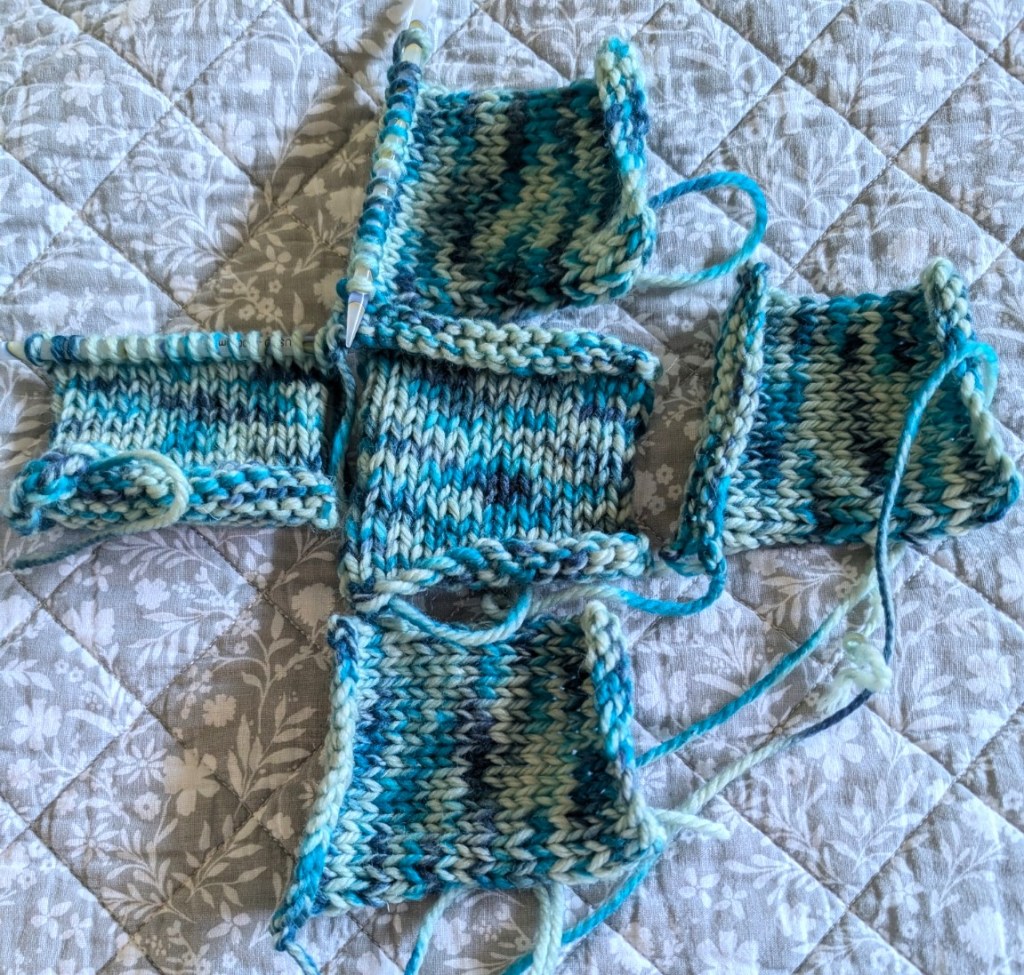
    Part 3 – Everything Else! You know, how to lengthen or shorten our knits. How to add anything after your knitting is finished. Ie Heels to tubes, afterthought pockets. Maybe some dimensional embellishments. Things to consider before we start knitting as well. Swatches, how to make and use them before we start knitting. The best place to work shaping. How to work a short-rows. All of those extra things. Which really aren’t that extra.

    Every workshop will include homework beforehand of some kind. Mostly some swatches, something to practice all of the new techniques on!

    Personal Projects
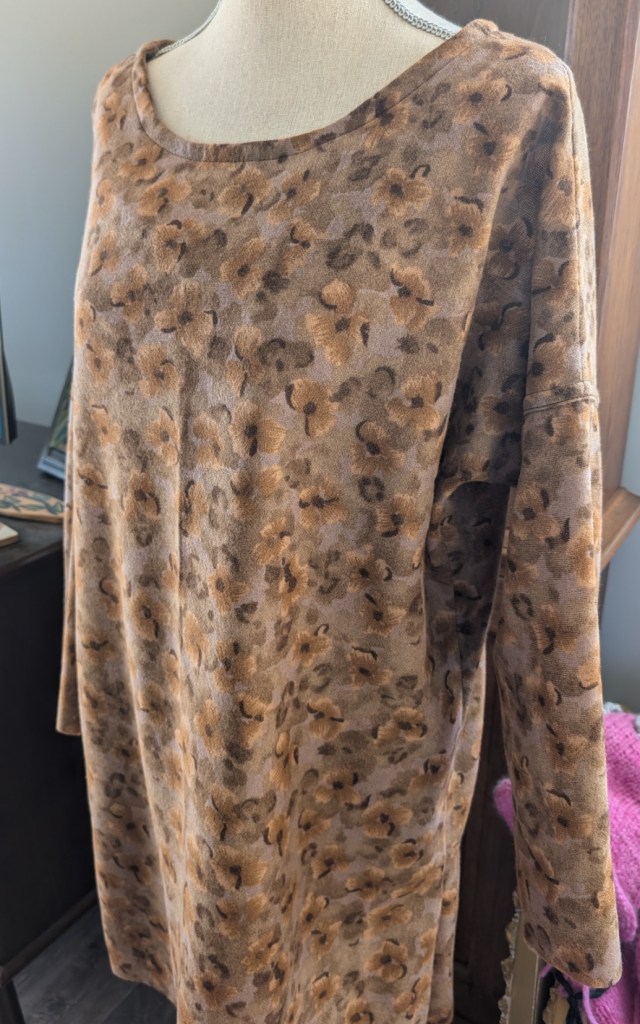
    Yesterday I cut out a blouse and a pair of pants for myself. Though apparently I made the blouse for my daughter. I missed a couple of key measures. I am really thrilled with the finishing. French seams and fine finishing on a napped wool flannel fabric. My daughter is thrilled.

    I hope that the pants turn out a little better as I know I am the only one who will want to wear them!
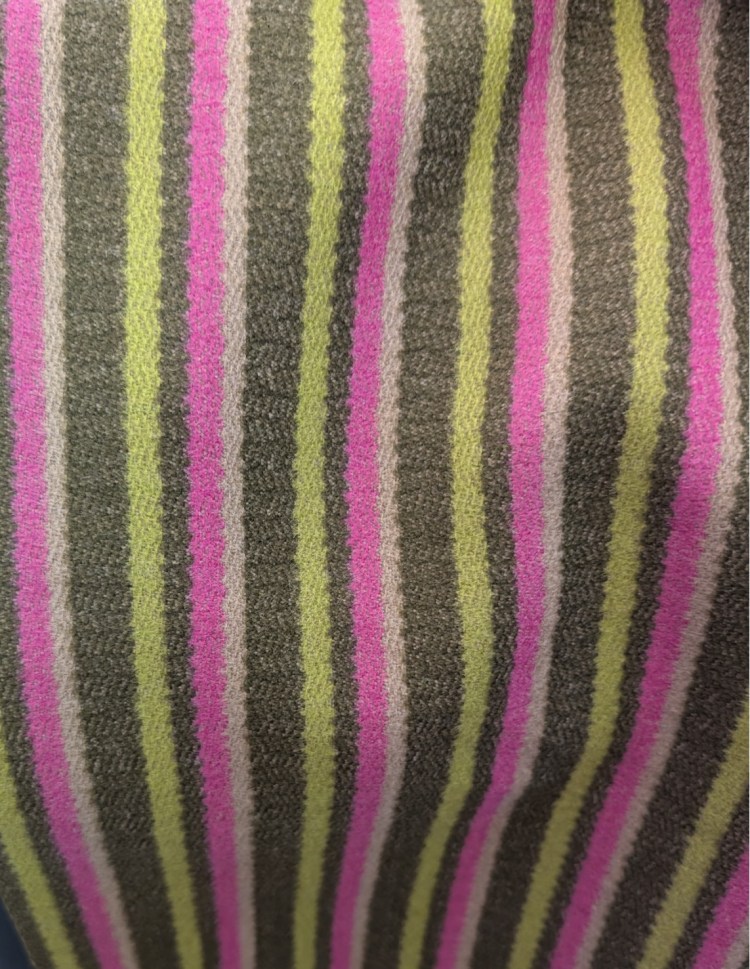
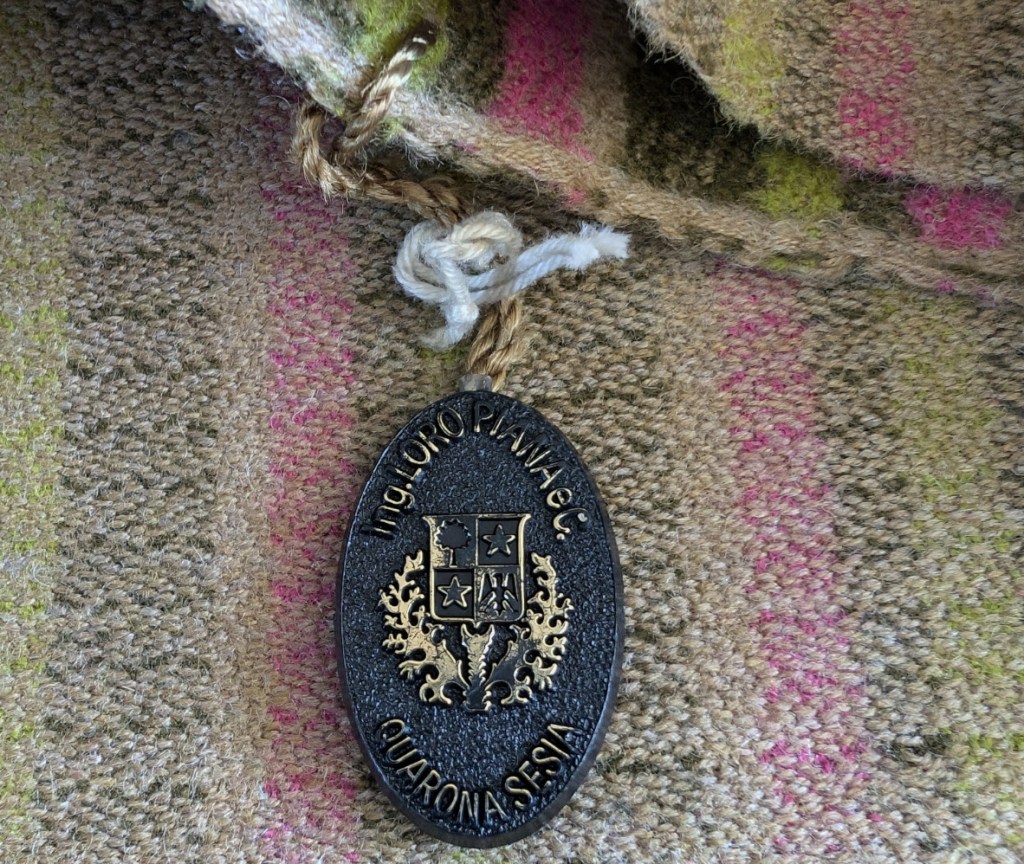
    Italian wool woven fabric. I am planning pleats in the front and maybe a button fly instead of a zipper. Those colours!

    When I was much younger I collected coins. Old Canadian and English pennies and coins from when we went to Malaysia. When I was a teenager my father gave me his coin collection. I

    As a collection it was very informal. It consisted of an old plastic tub of coins most of them from Panama and Peru. Most from the late 1950’s, from when he was in the Navy and his ship cruised those waters. I had put away my coin collection by then and wasn’t actively collecting, so I put the tub with my collection and proceeded to spend the next 50 years carrying the collection around with me.
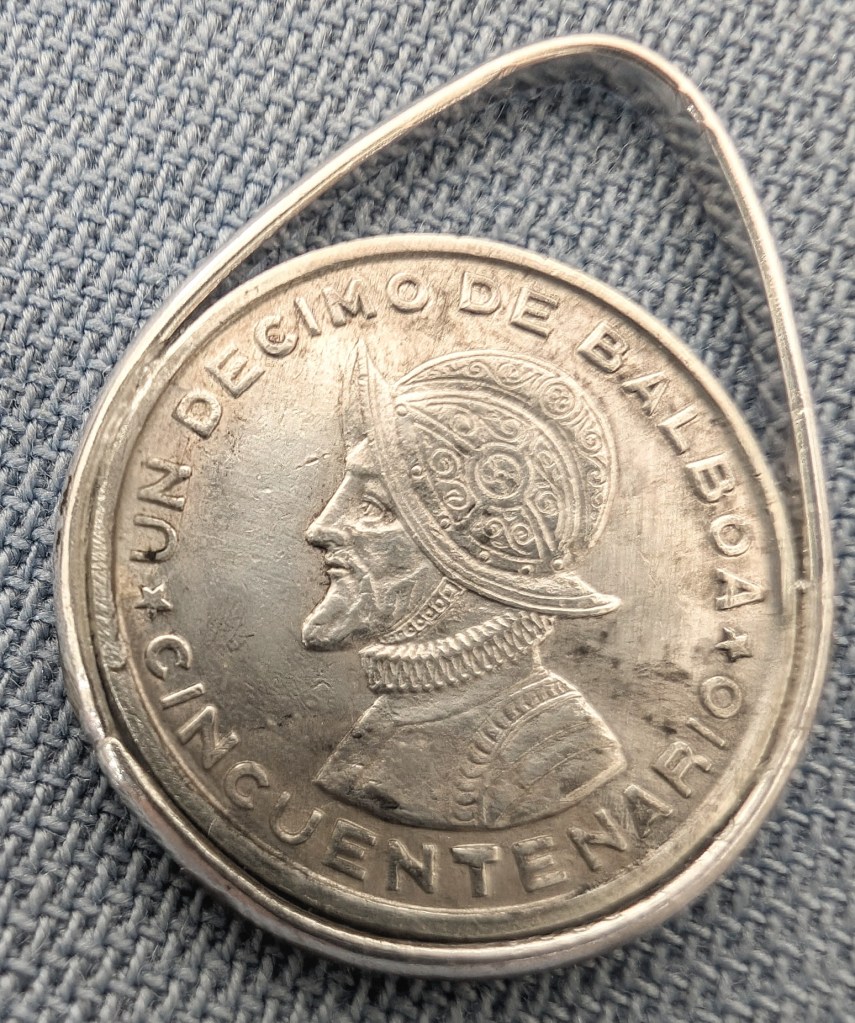
    A few months after my father passed away I hauled out that old tub and looked again at those coins. In the collection were about 30 old silver coins, all the same size and all from the Republic De Panama. I started to think of what those coins could become. I wanted to use them as embellishments on a shawl, So, I took the coins to my Silversmith friend Joan and left it with her.

    I think that this will be an interesting way of creating a unique piece of knitting while honouring my memories of my father.

    The Shetland Project

    Remember this one? Well it was put on hold while I waited for the book and then it arrived and needed to be examined for new ideas. Which I really couldn’t find. I was in an odd headspace I think. I was looking at my knitting, on the 1.75mm US #00 needles, and thinking it was too loose. I had to get my head around that. So, yesterday I also ripped out my little bit of knitting and put away the the 1.75mm needles and pulled out the 1.0mm US #00000 needles and cringed. I have never, ever, knit with anything that small. So sometime in the next week I will be casting on a new project.
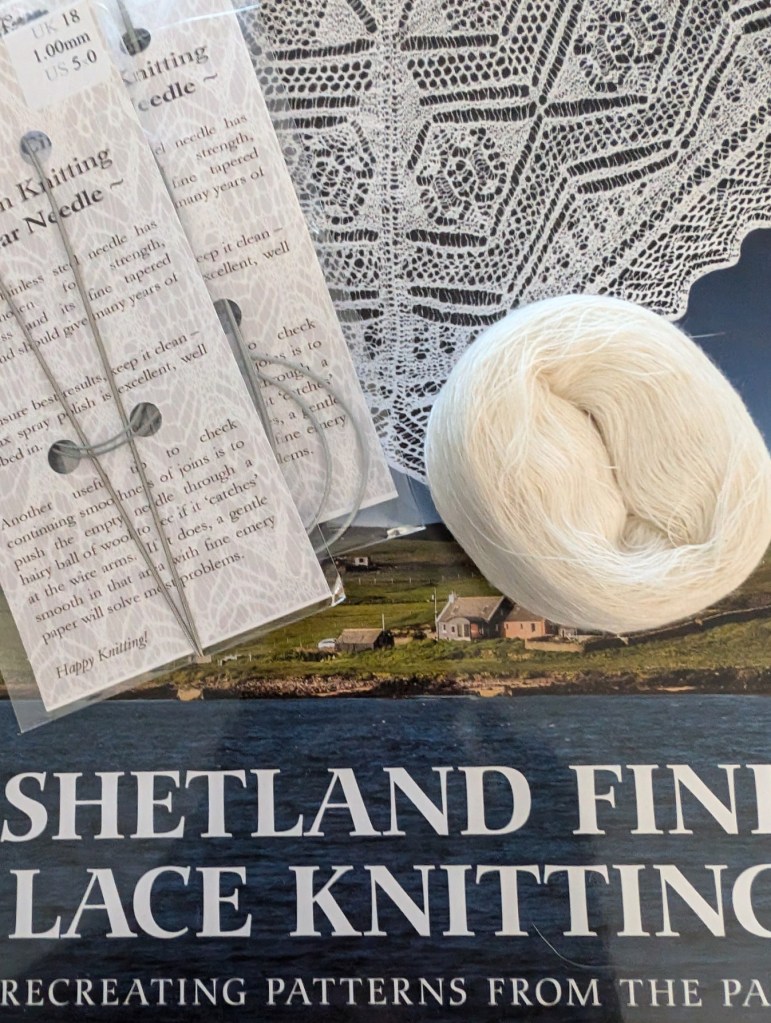
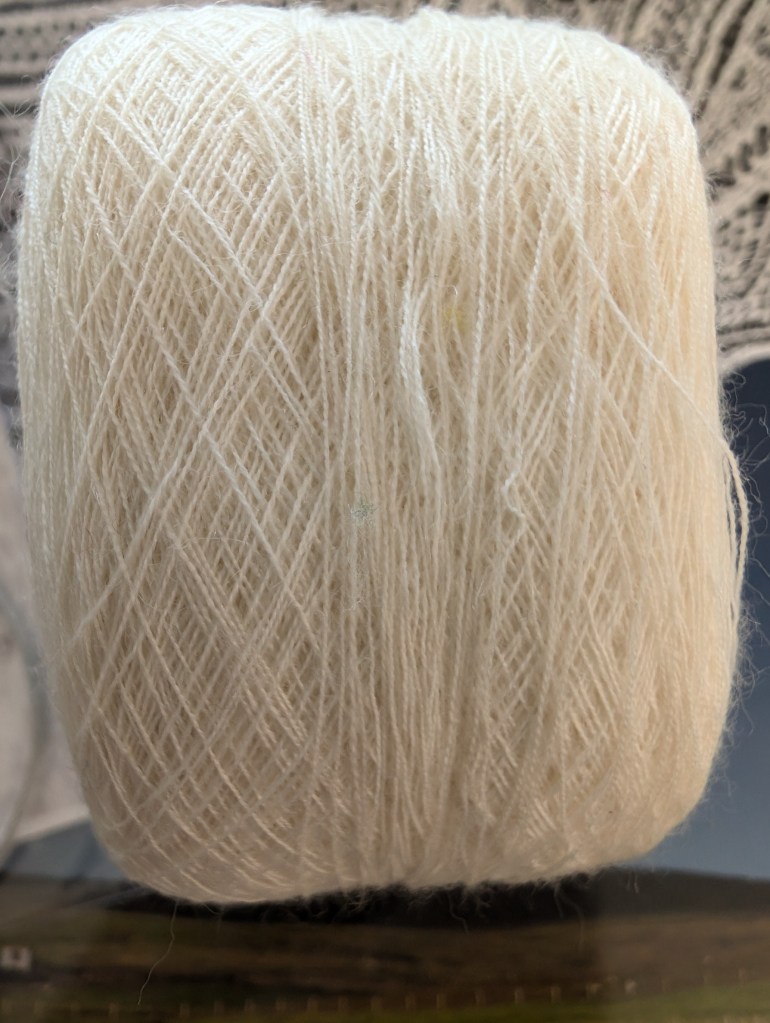
    Still trying to get my head around that as well. Do I order more yarn, or do I design a smaller project. Still thinking on it!

    Knit Dress with Me

    This one has been on hiatus for a while, but I am planning on picking it up at the end of the month. I am not far off the waist and I am hoping to reach the shoulders around Christmas.
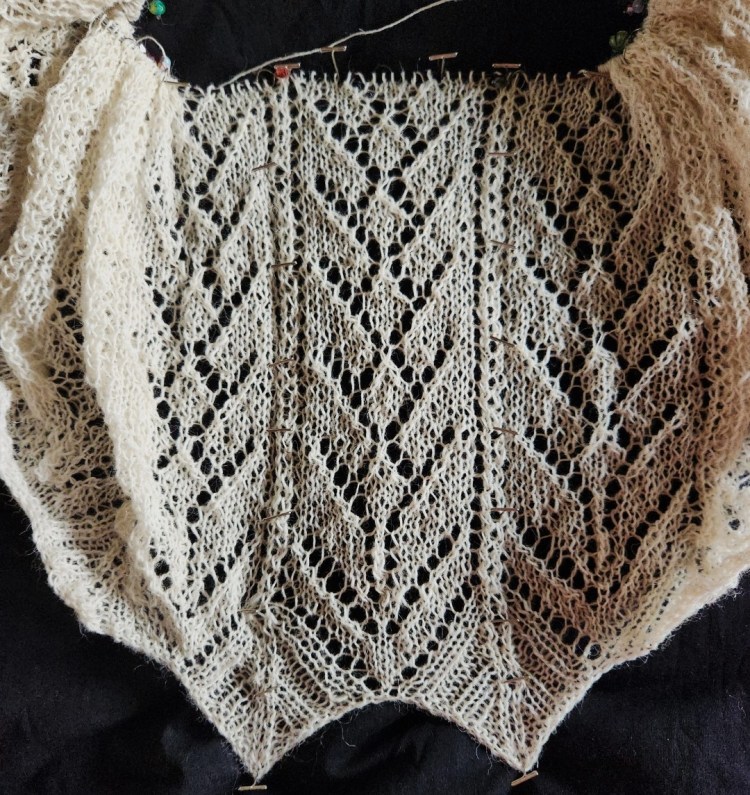
    There are other projects in the background and more classes to share, but that can be for another day!

    Happy Knitting

    Lynette
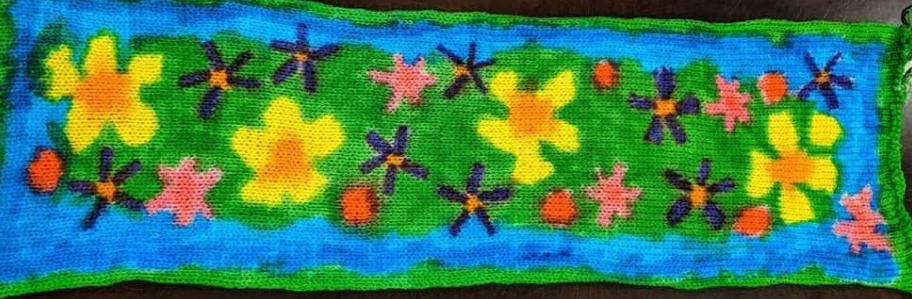
  • Happiness

    List 30 things that make you happy.

    As I think that happiness is subjective and changes with the day, or the time, and as happiness is fleeting.

    Here is my list of things that always make me 😁 even when they are non cooperative:

    YARN, yarn, yarn, YARN, mohair, silk, WOOL

    Red wool, Green wool, Blue Wool even BLACK WOOL

    Alpaca, Qiviut, Buffalo, Angora, Camel, yak

    YARN, YARN, yarn, yarn, Wool, MERINO

    Wool, yarn, SILK, wool, YARN, Alpaca, wool

    Everyone makes a smile.

  • Summer Days

    Summer Days

    In the Summer I always try to finish up a project for myself. A sweater or vest, something new that I can wear to work.

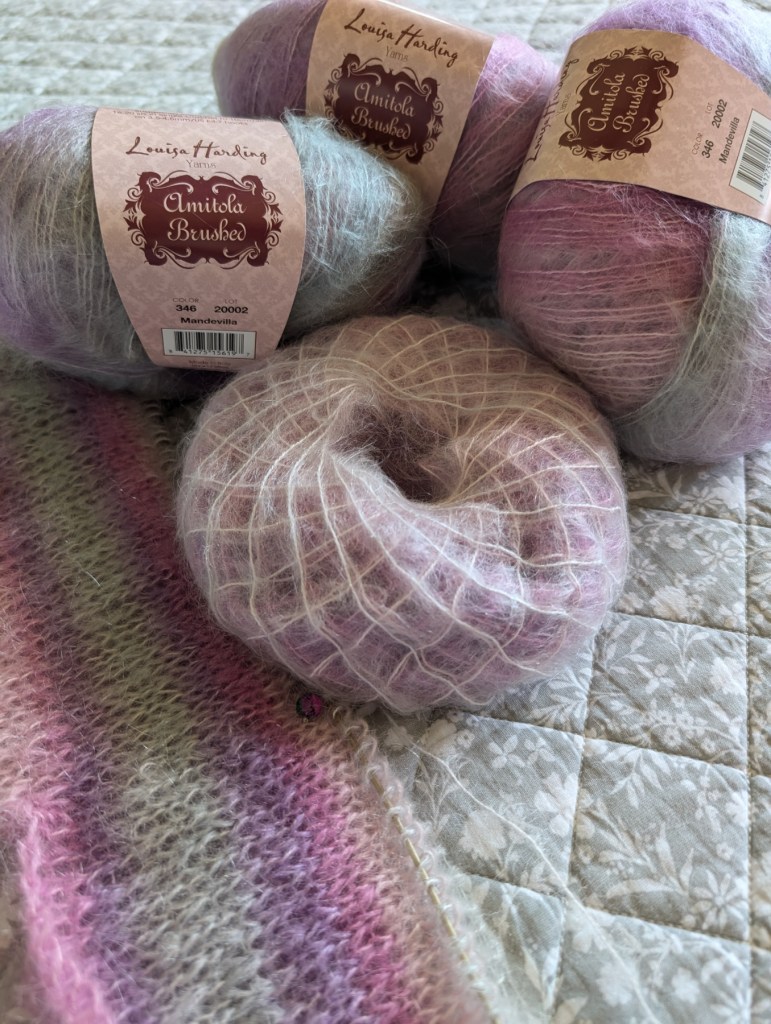
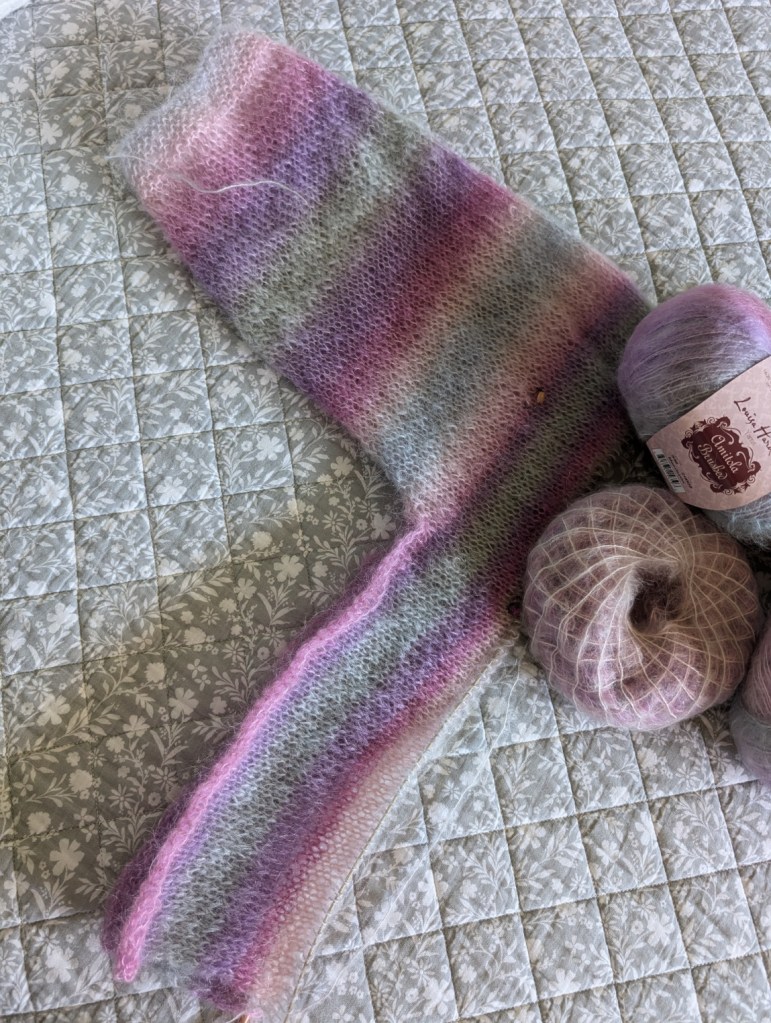
    This year I have at least two things on the go. A light and airy mohair sweater knit with Amitola Brushed by Louise Harding. This is a heavier mohair and silk blend and I am knitting it quite loosely. I love mohair’s loft when the you let the fuzz fill in the stitches. It makes the garment light but still cozy! This sweater is underway and will be knit from sleeve to sleeve. The Amitola has a long, slow stripe and it is showing beautifully. I am barely through 60 grs of the first ball. I think that I will have plenty of yarn. I am knitting on a 6.0mm US #10 – this sweater is knitting up fast!

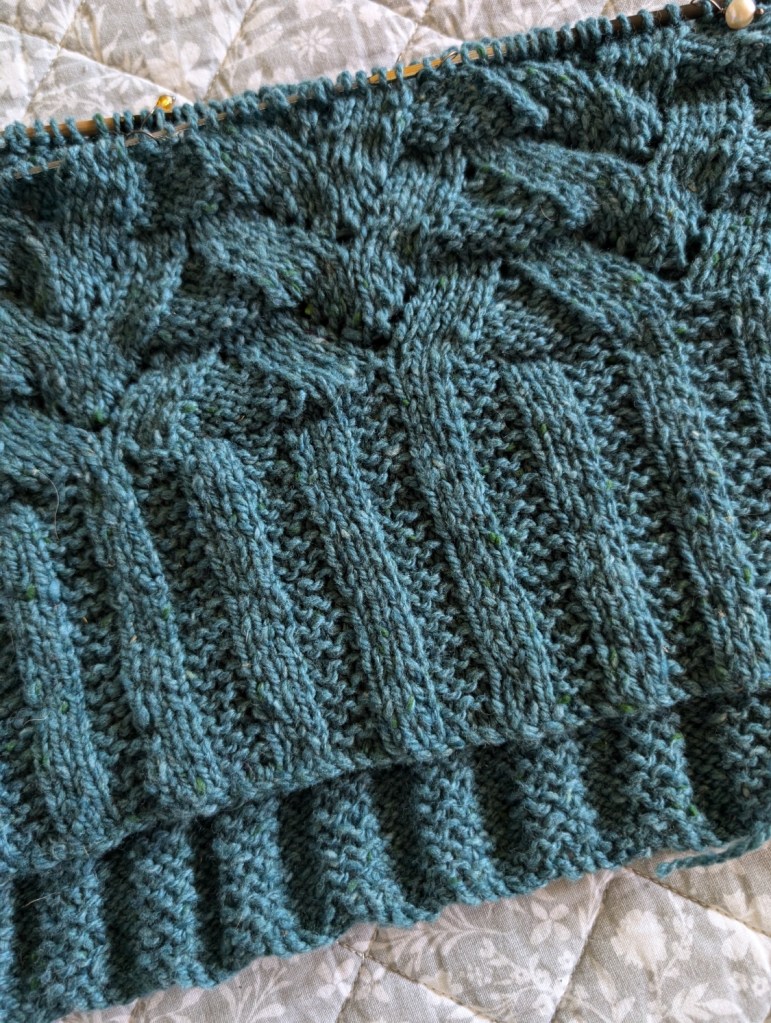
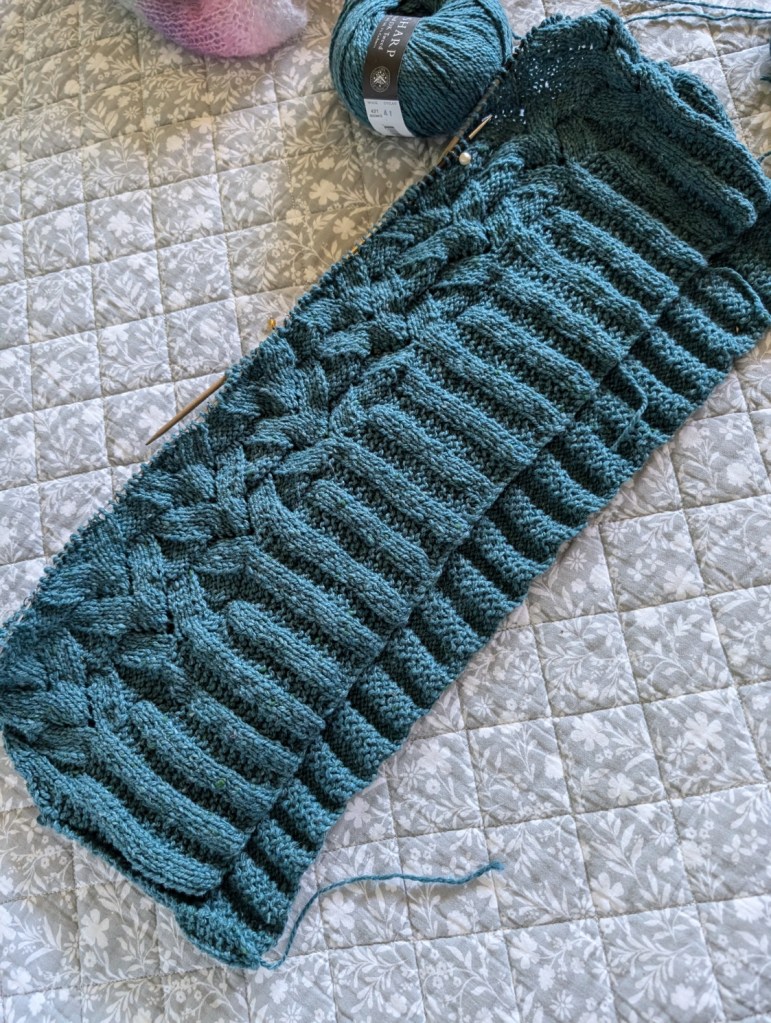
    The Jo Sharp Silkroad DK Tweed yarn is going to take much longer to knit. Right now it is going to be a vest. But I am loving it so much and I think I have enough yarn, so it might turn into a full sweater. I am loving the stitch pattern. Time, as always, will make the final decision. And yardage, where is the rest of the yarn? Somewhere in my stash!

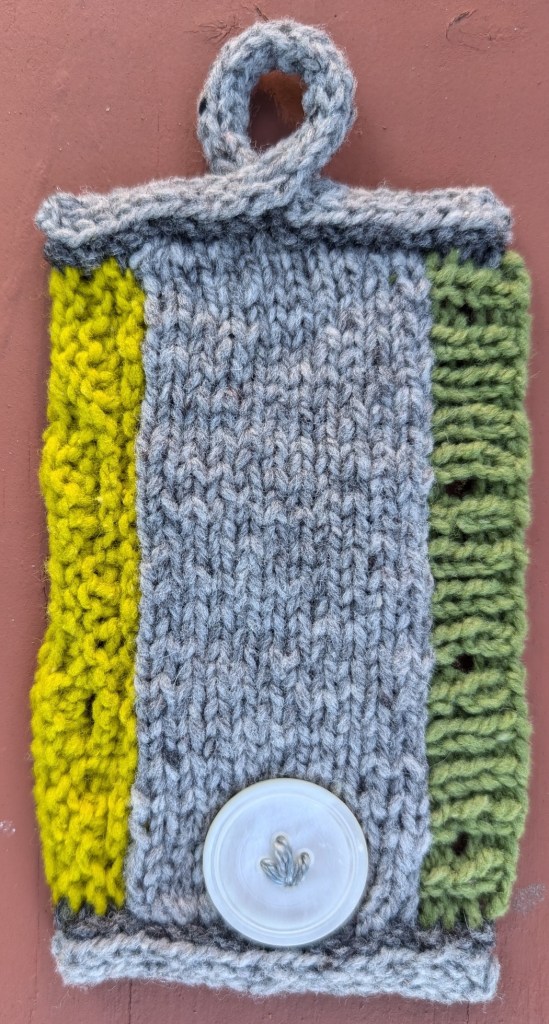
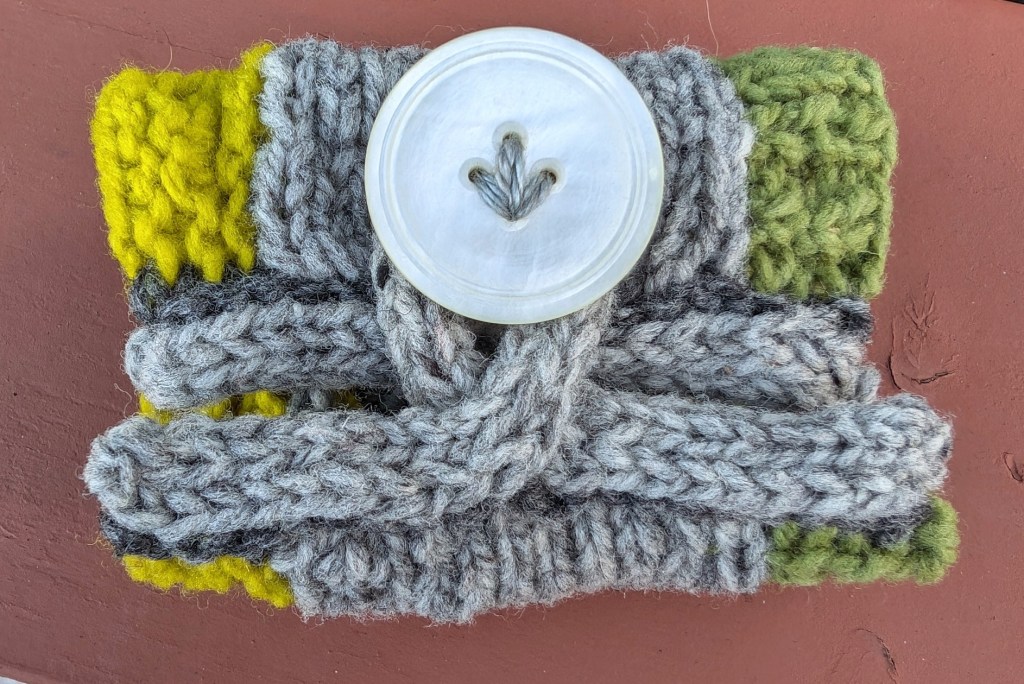
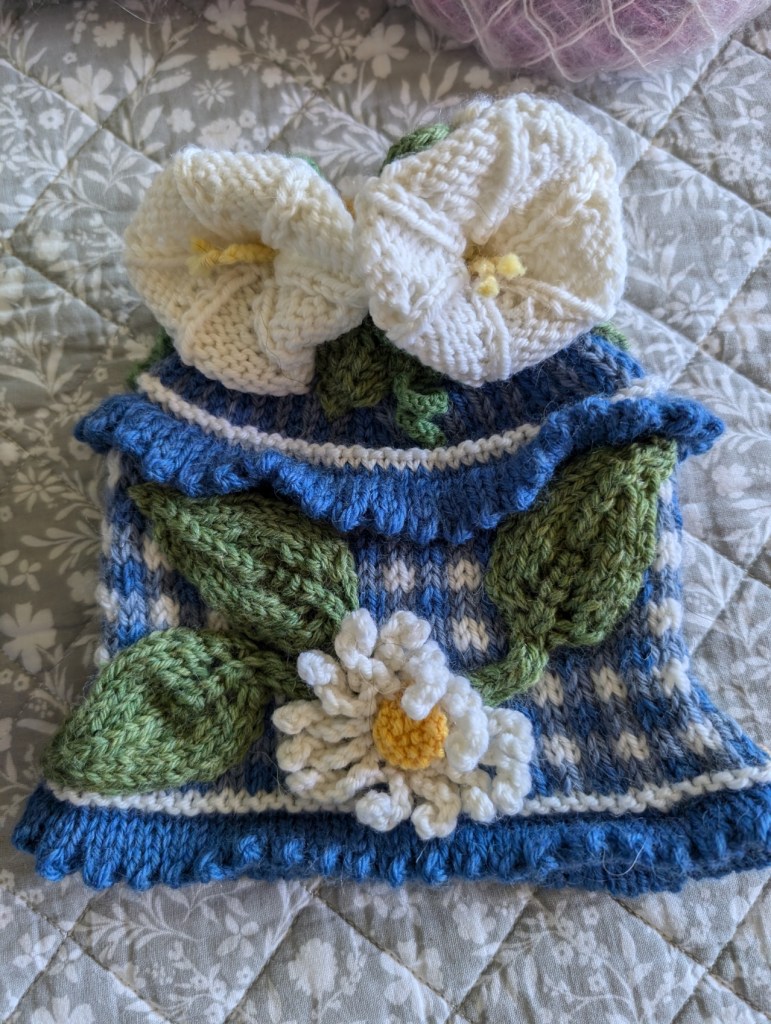
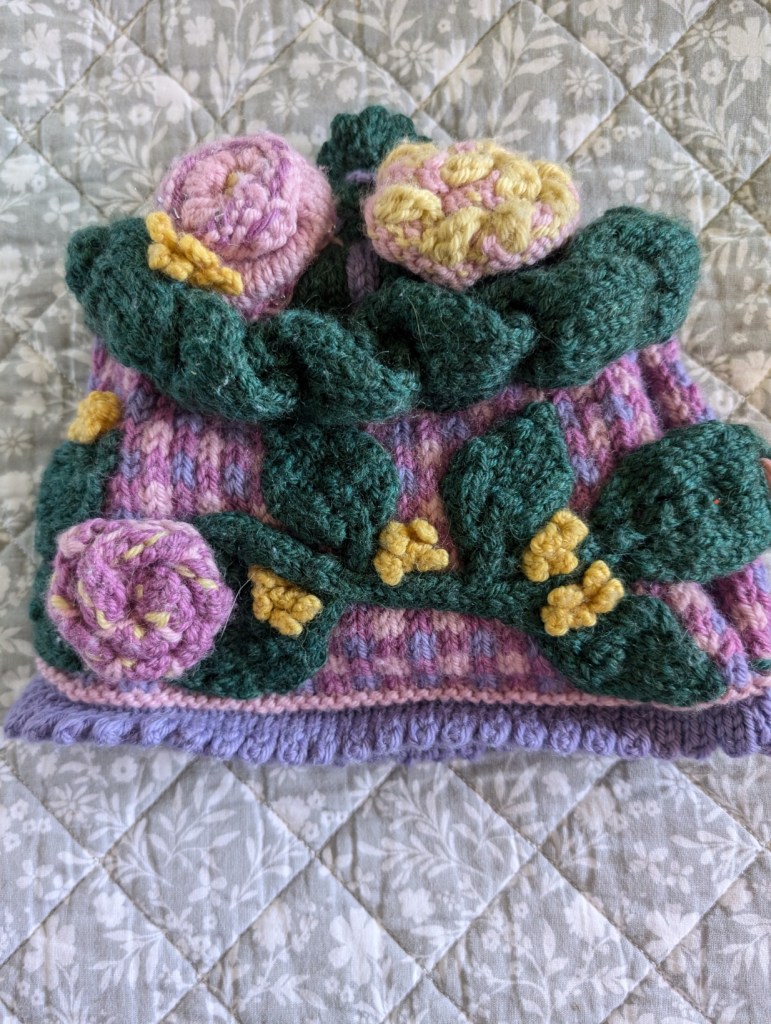
    Summer is also when I make tea cozies. They are small and fun and I think I might design a class around a new idea I have.

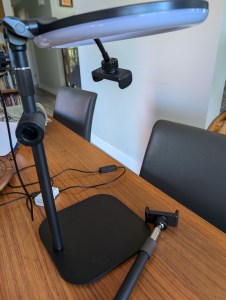
    Last week I bought a new toy. It is designed to hold my phone as I video myself knitting a new technique. You have already seen it at work as I ripped back my last hat!

    The weather here is back up to being hot again. So I am looking at small projects as well. Beading something, anything, is always good for hot weather knitting.

    I also love to knit shawls in the Summer. Tomorrow I hope to have the Green Man motif ready to show.

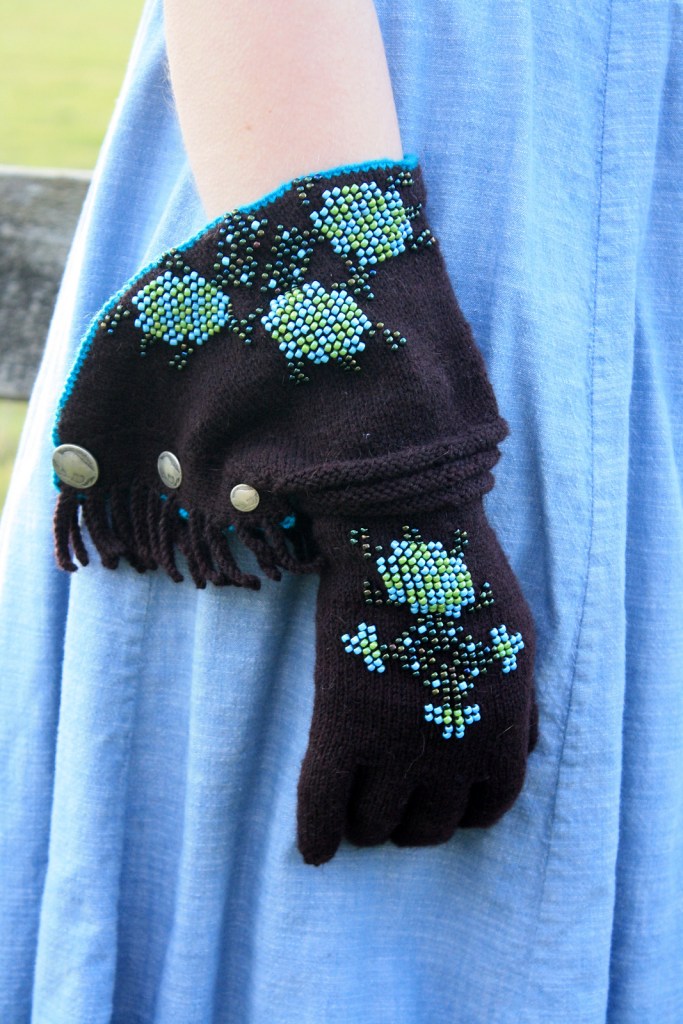
    Do you have a “colour” ? Something you know you love to knit with. Something that you “lean” towards. Something you sometimes are unaware of. I do. Apparently I wanted a co-ordinating set. LOL!

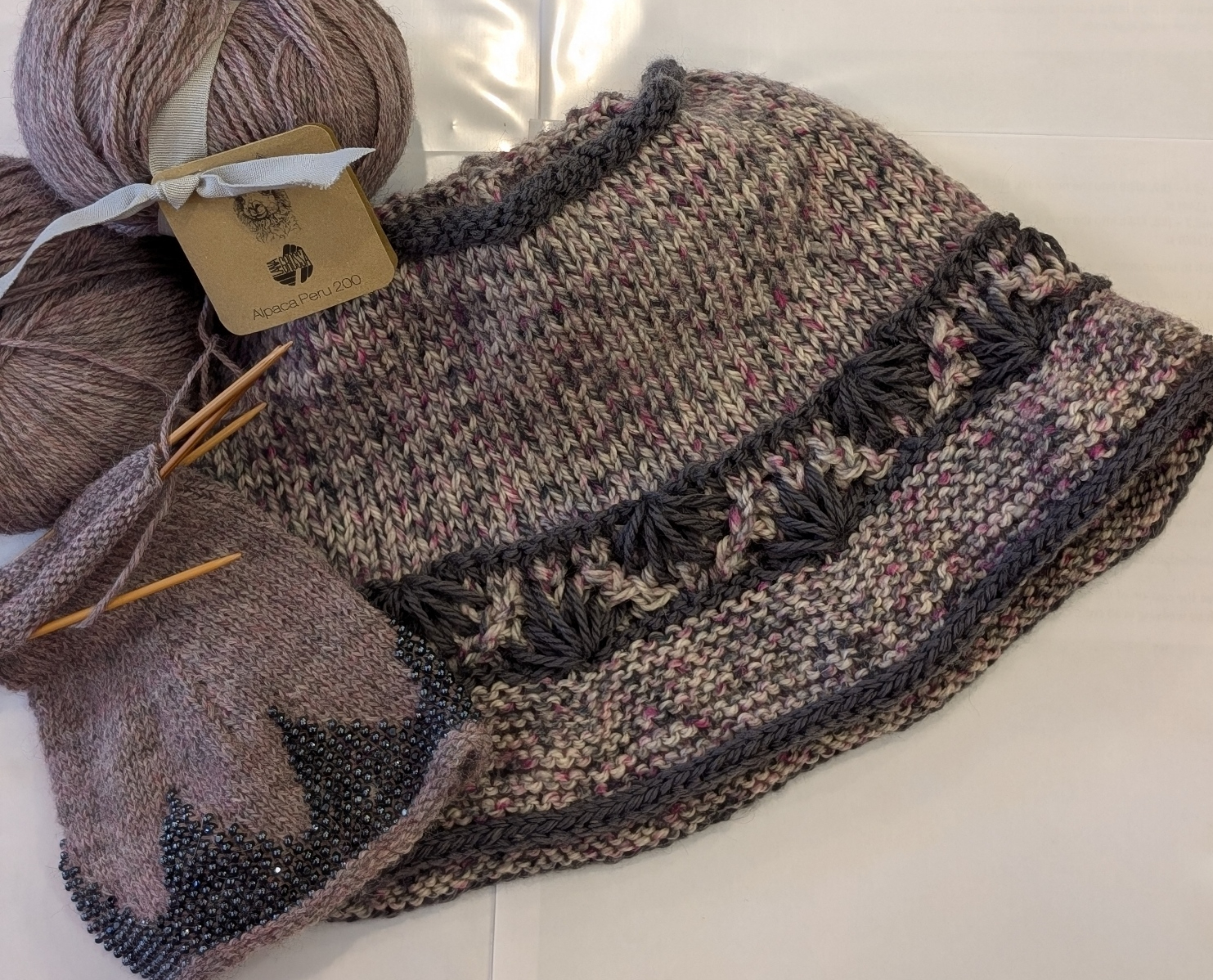
    Don’t they look great together? I guess I will have to finish the gloves sooner rather than later!

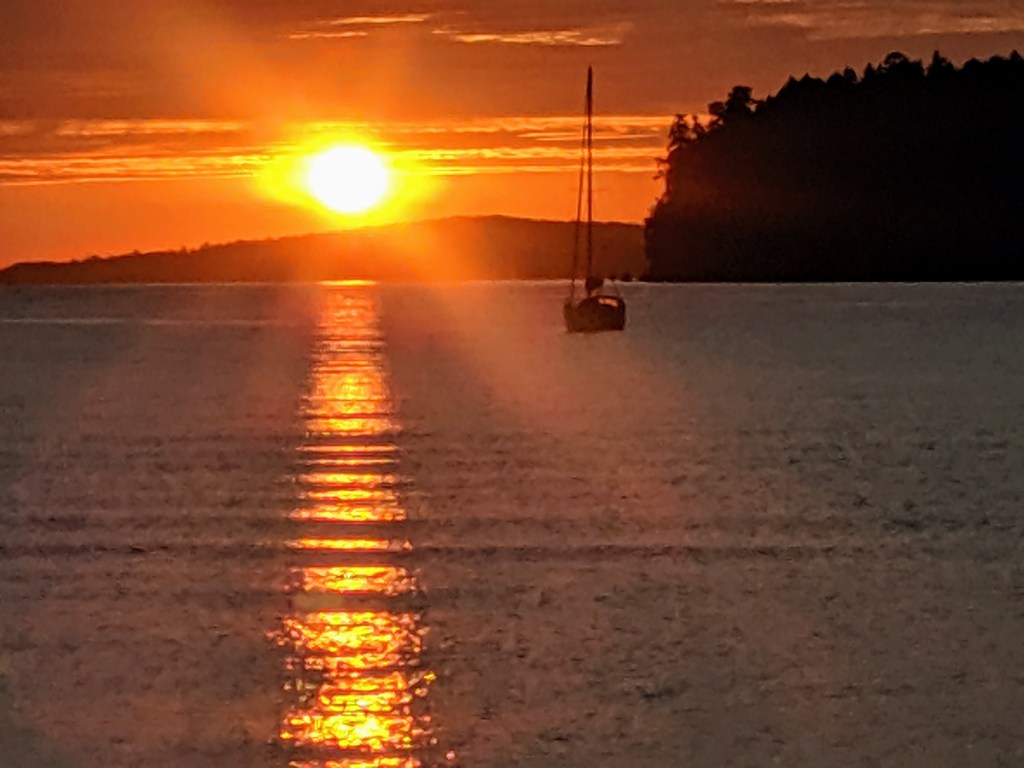
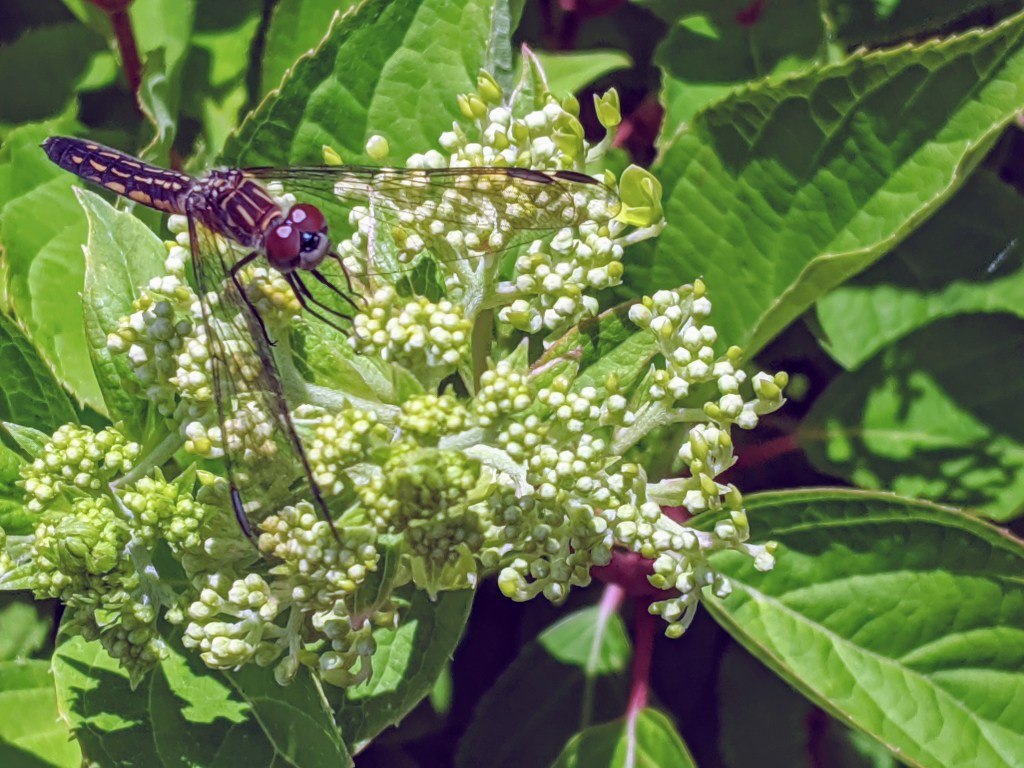
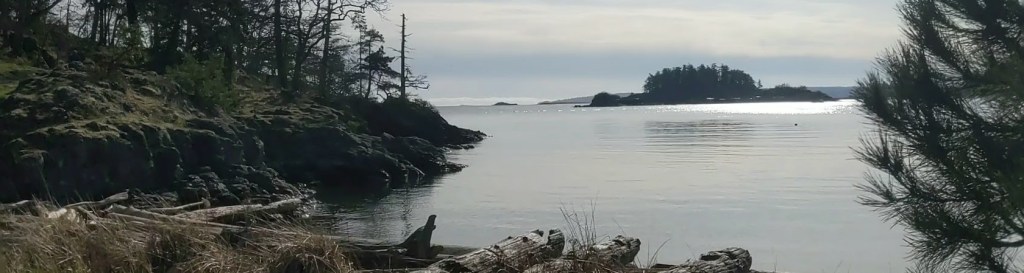
    Below are some random images of this Summer and Summers past! They are part of my inspiration as I dream up new ideas.

    I hope that you enjoy your long weekend!

    Happy Knitting

    Lynette

  • Class Samples

    Class Samples

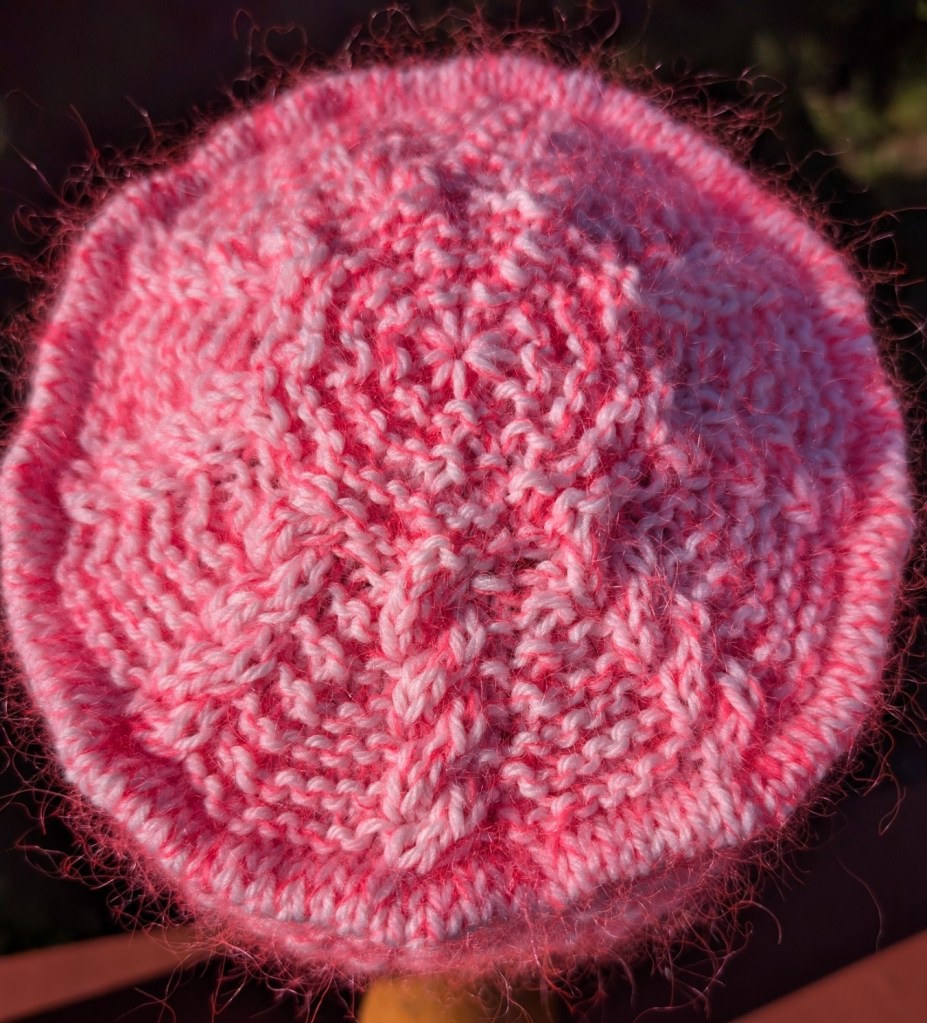
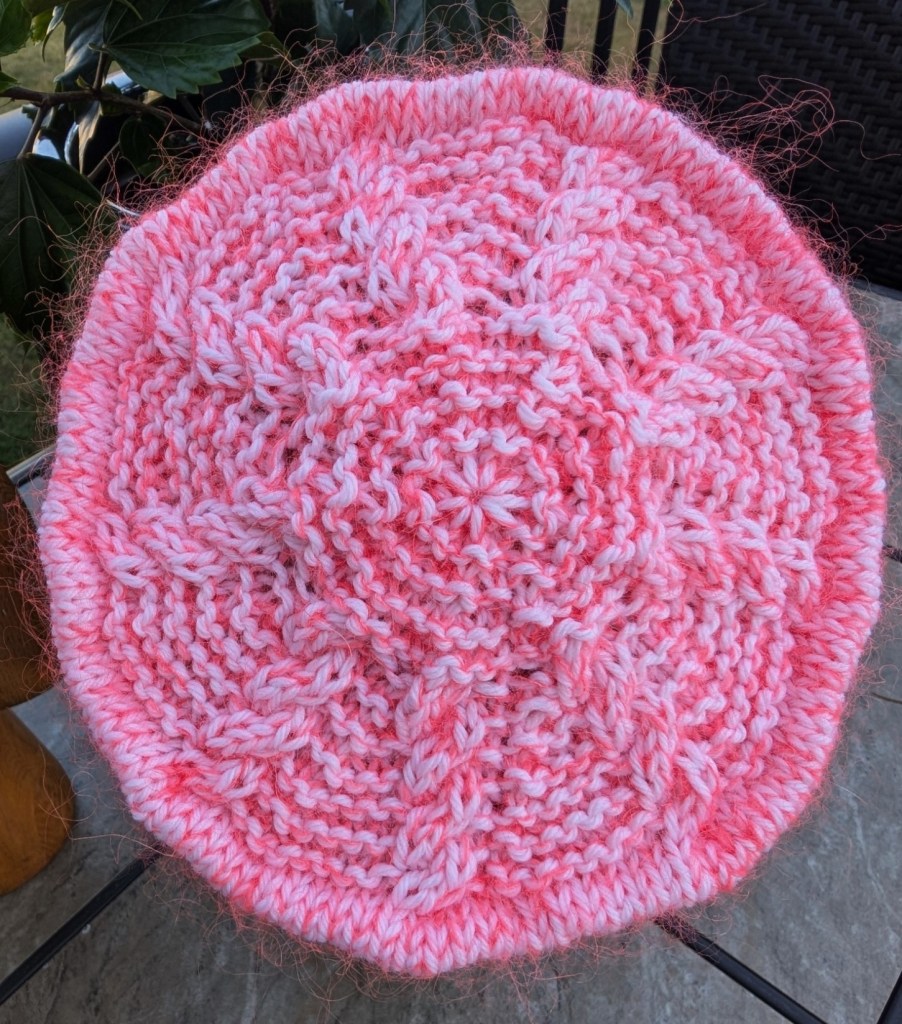
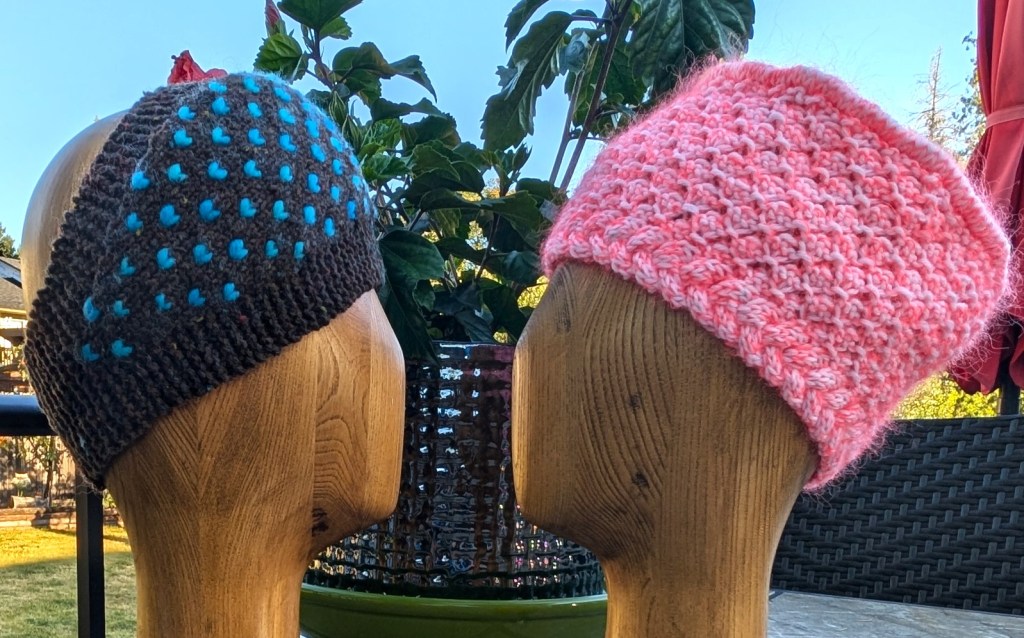
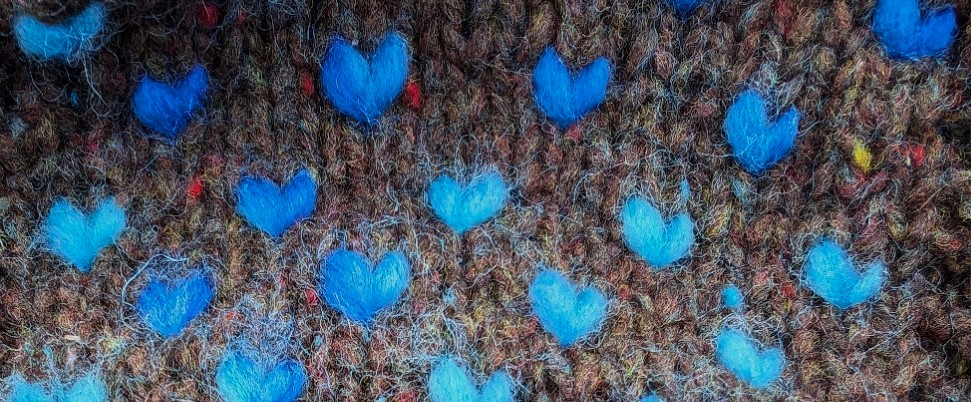
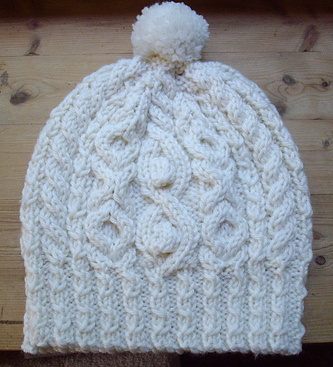
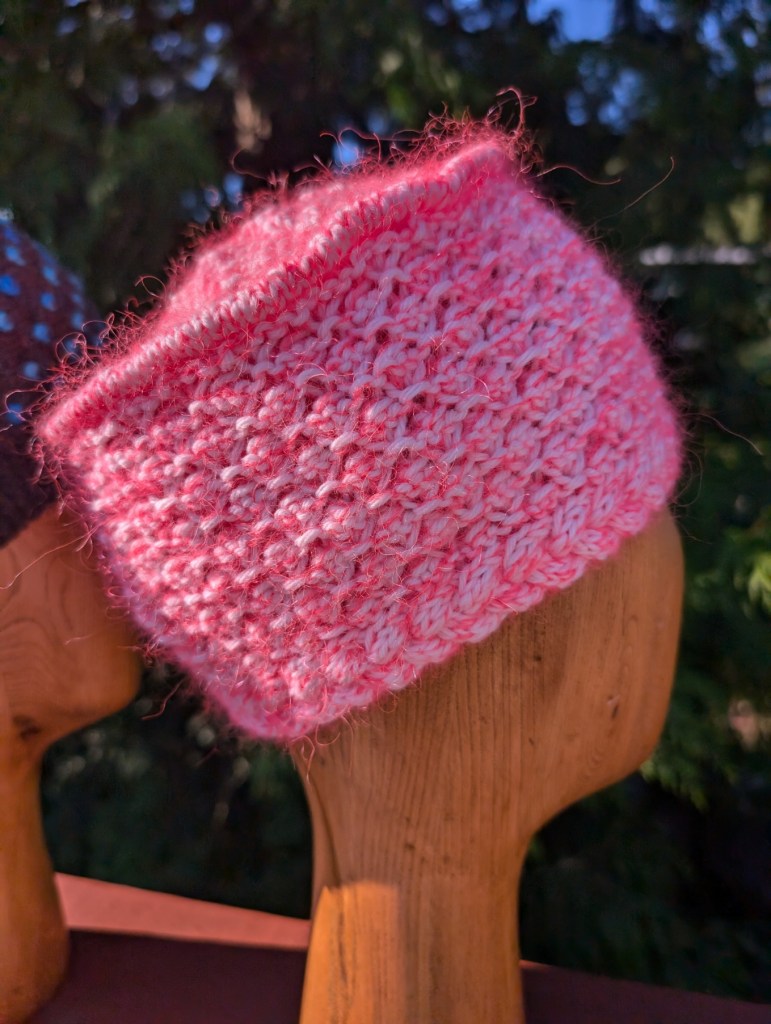
    I have finished two of the class samples. Still at least three more to go! I am happy with the results so far! They include a thrummed headband and a cabled pillbox style hat. I took the pictures in different lighting conditions, just to see how the colours would change.

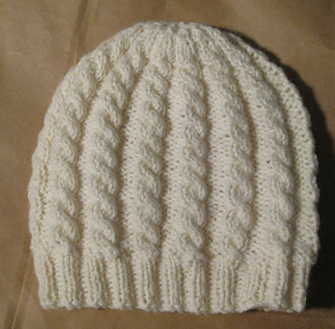
    I have no name for the headband pattern, but the pillbox is going to be called Candy Cables – just something about the colour. The white base with the glowing peach mohair looks like candy to me. Check out the mohair halo – so pretty!

    I hope that you have a great day!

    Happy Viewing!

    Lynette

  • Fall Classes – Working on Samples and Dreaming up Ideas!

    Fall Classes – Working on Samples and Dreaming up Ideas!

    First up – Thrumming

    Have you ever made thrummed mittens? Or slippers? Well I am working on a Thrummed Headband. It has an easy shape and will be easy to learn the technique so that you could make mittens or slippers if you wished!

    2) Cables

    A simple cable hat?

    Or maybe a not so simple cable hat?

    How about a reversible cable scarf? As you can see this idea is still in the very early stages!

    3) Maybe something more long term, with once a month meeting/classes.

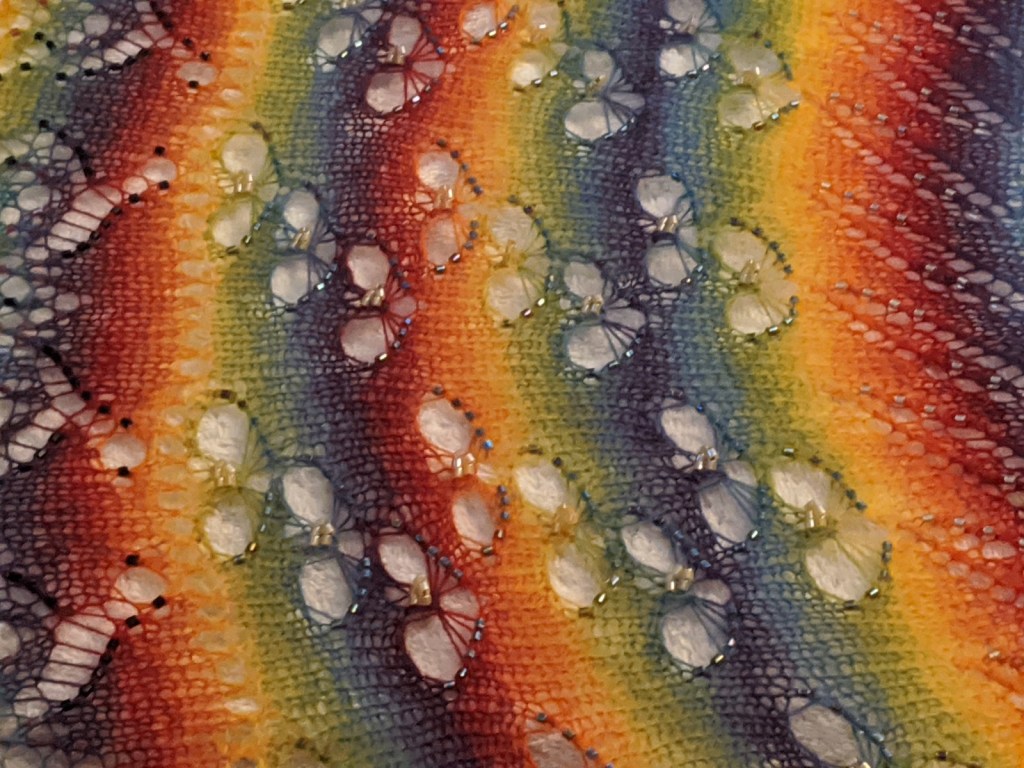
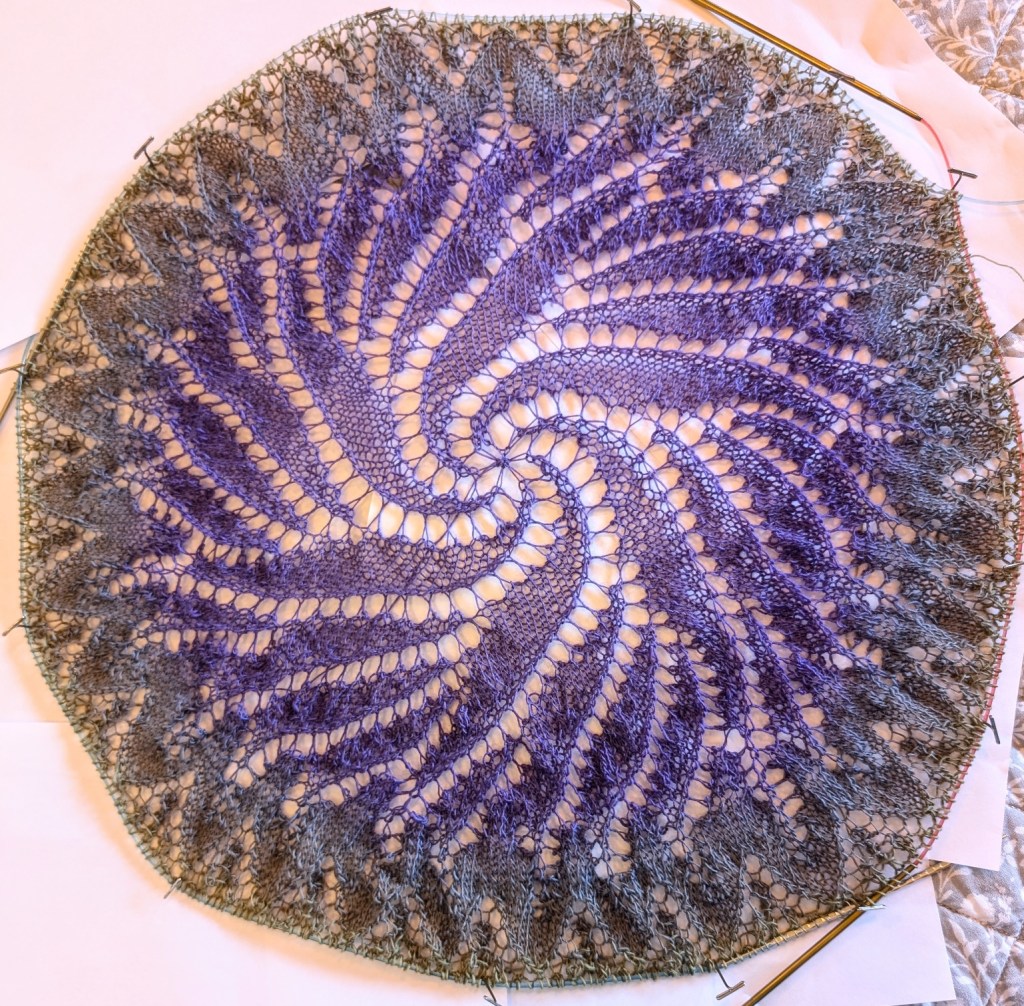
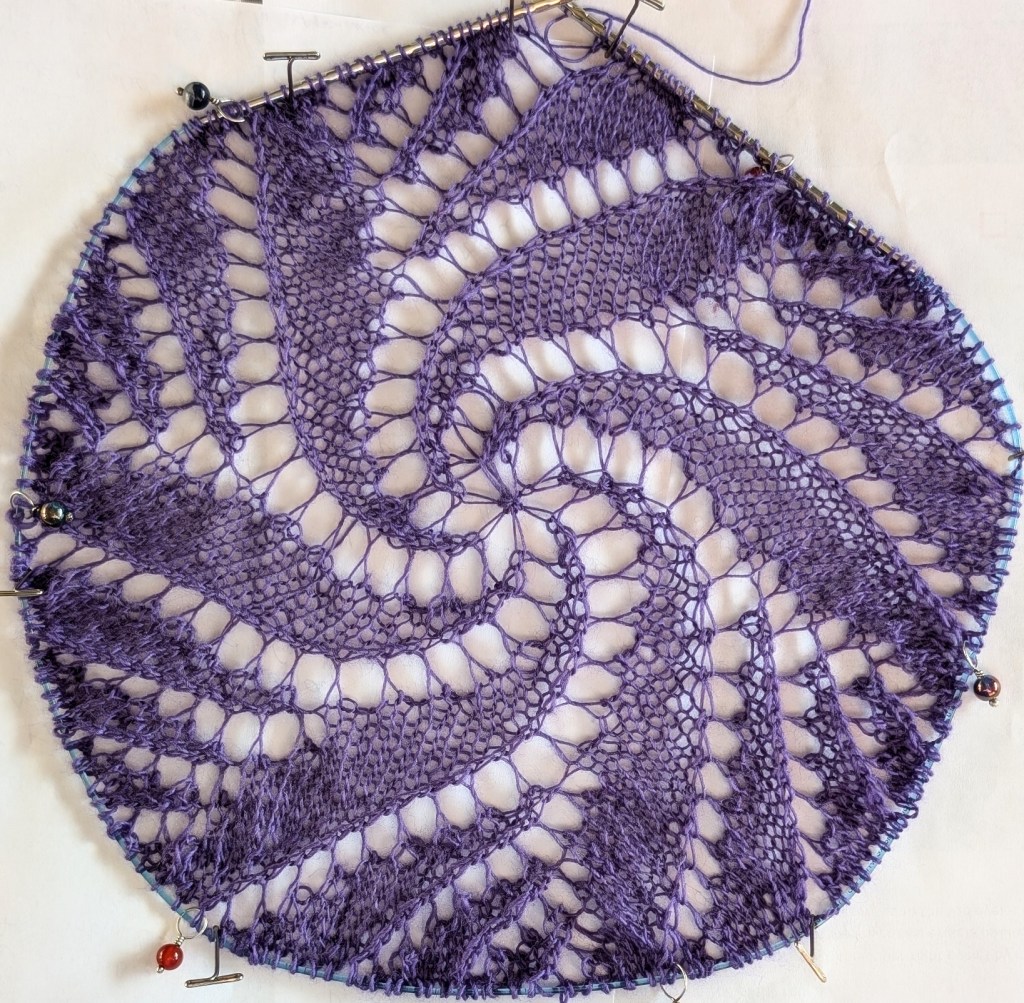
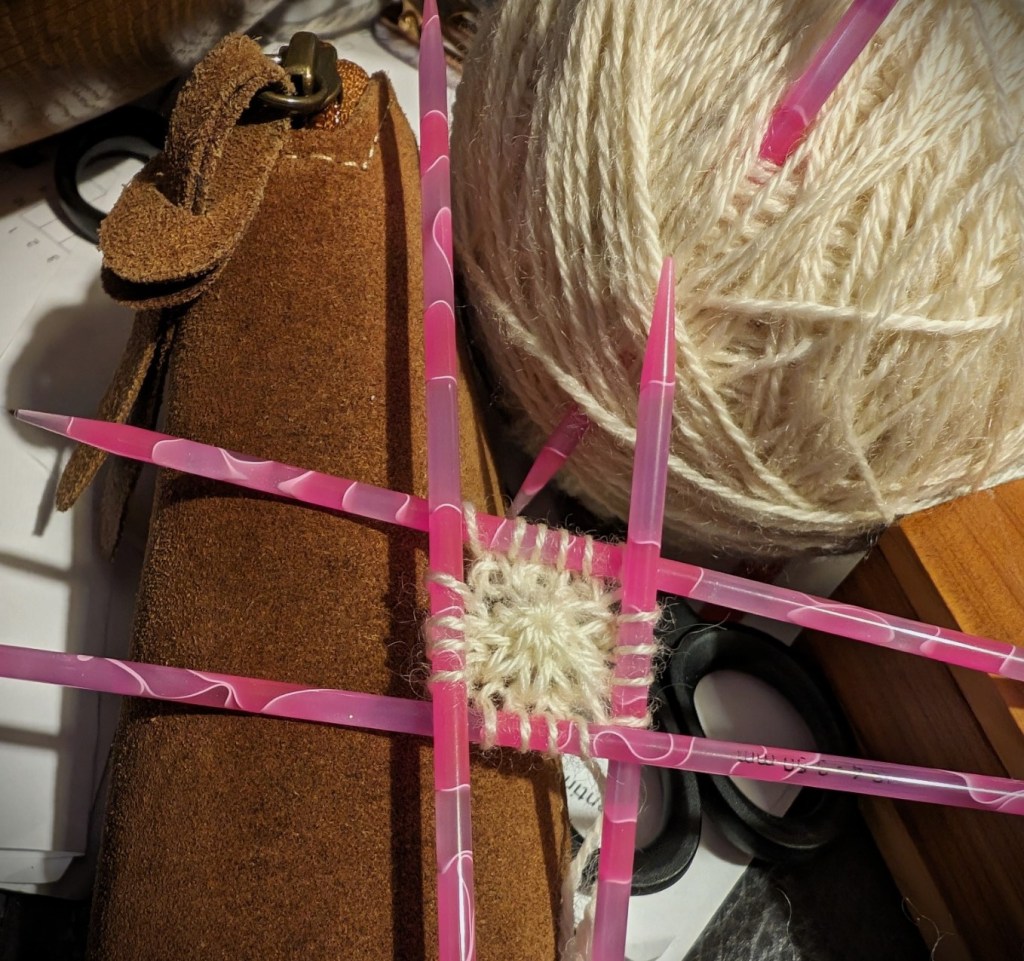
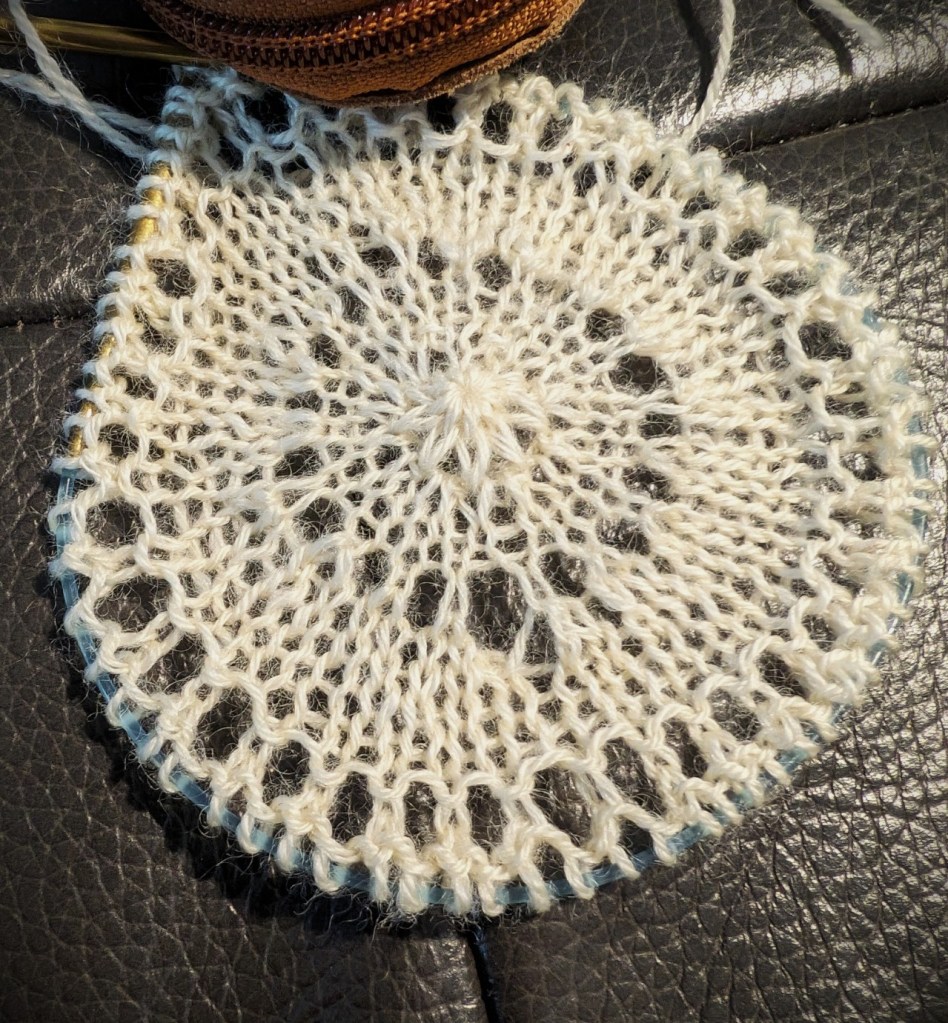
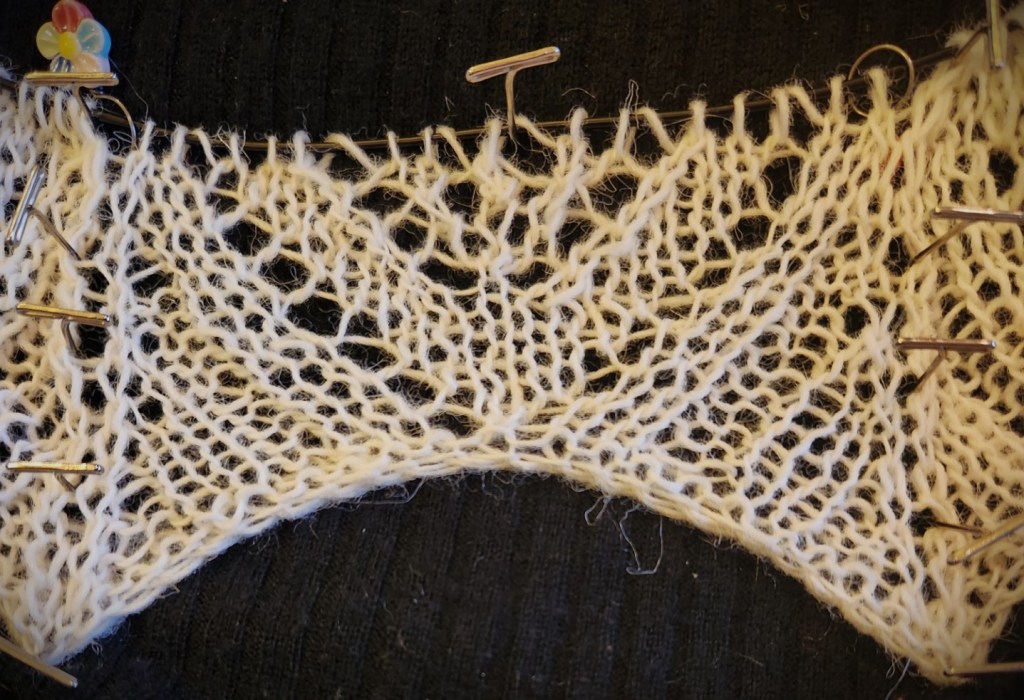
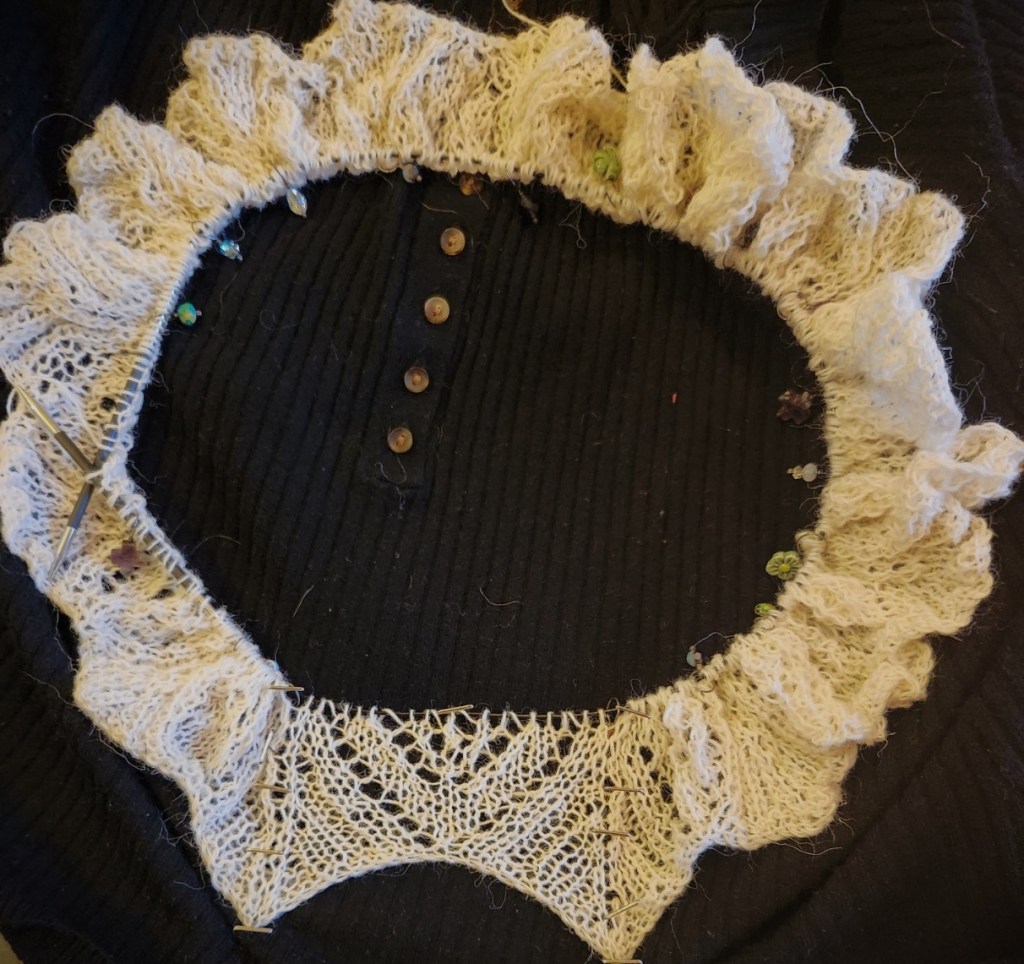
    I am planning a Knit-a-Long. KAL for short. The Green Man KAL. This will be a lace shawl for the more advanced knitter. It could be knit in a fingering or lace weight yarn, knitters choice and there will be how to video’s attached for those who don’t live in the area and in person classes for those who do. Techniques we will cover include circular cast-ons, adding beads (if desired), three dimensional embellishing, some interesting lace techniques and finishing with knitted on edging. Sample below is knit with Schoppell Zauber Lace 100. Right now I am working on the chart for the the Green Man and will share updates as that comes together.

    4) Of course I will run the Fear of Finishing Workshop – an in depth look at some basic and not so basic finishing techniques. Including the best start to create the best finishes and things the pattern always forget to tell you.

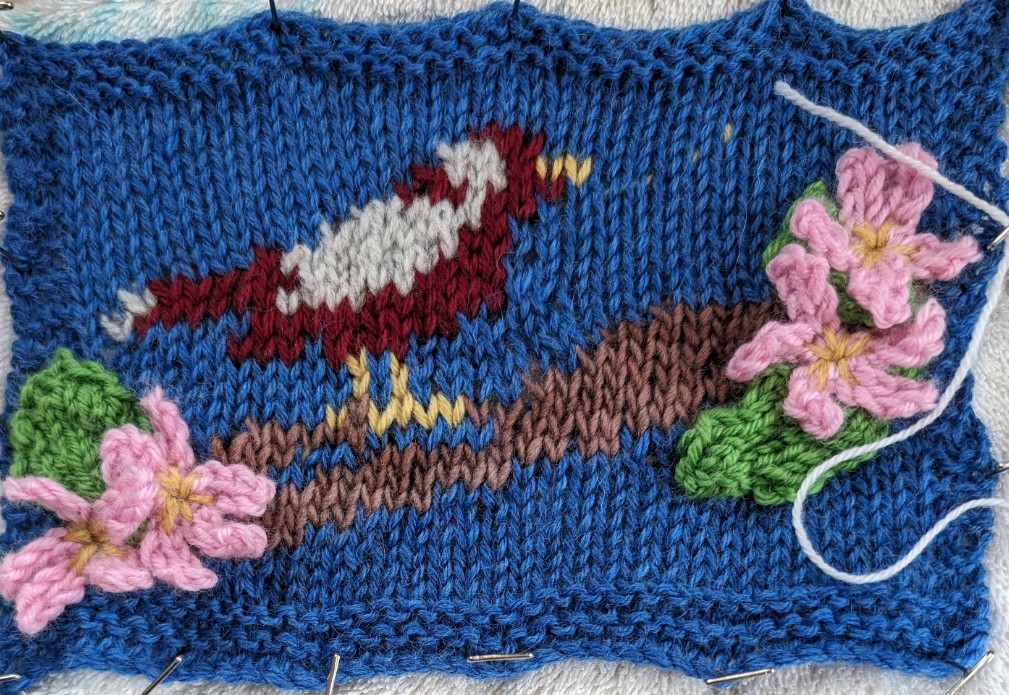
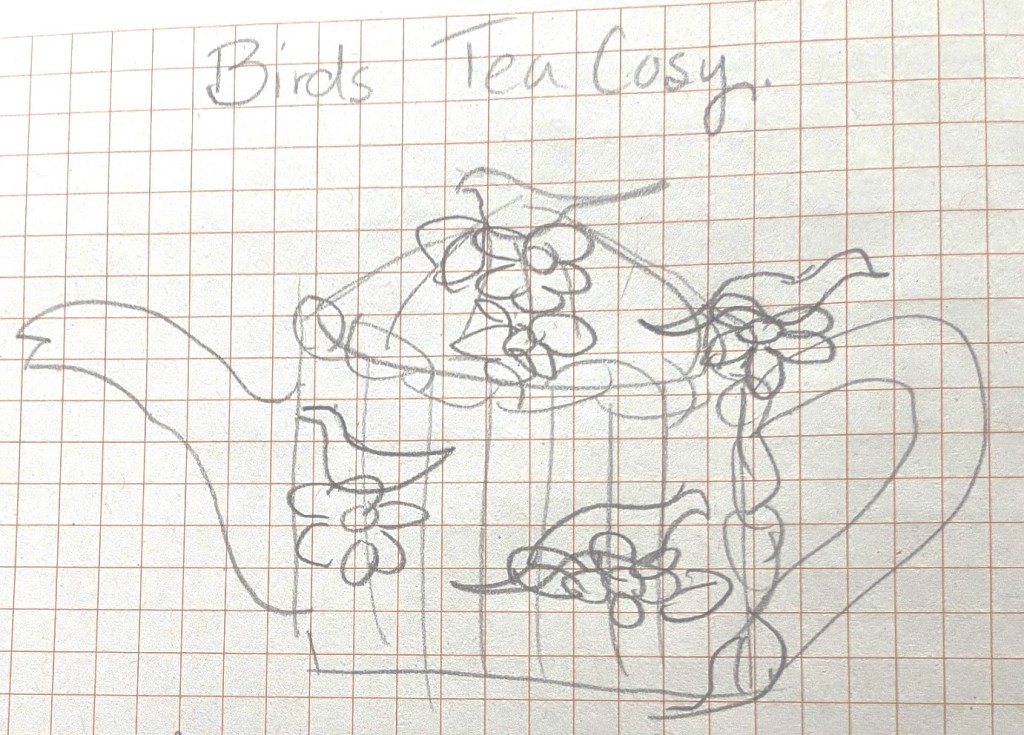
    5) I am thinking of a designing a new tea cozy this fall. Something with birds I think!

    6) A class on mending is in the works as well! Darning socks, fixing holes with some creative mends and swiss darning the old fashioned way!

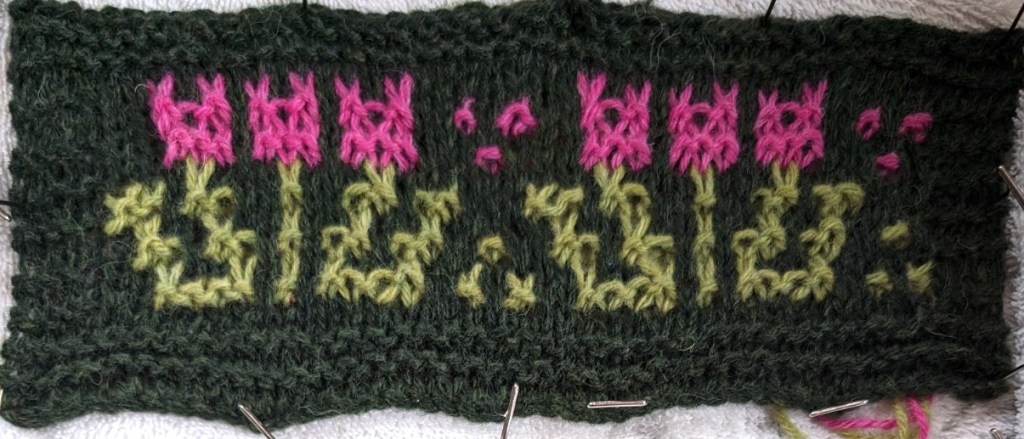
    I am also looking for new ideas. What do you want to learn? Can I teach it in a class or does it need a workshop? I could teach something in Mosaic Stitch, or maybe Twinned Knitting? Some simple fair-isle mittens or cowl for gifts?

    What style of project would you like to see? A simple shape to show up the new technique, a pillow perhaps, maybe bolster style with knitted on fringe for finishing. Or a new hat, a pillbox or cloche style, something a little different from your basic beanie.

    I am off to dream up and then knit up some new samples. I hope that you have a dreamy week as well!

    Be Well and Happy Knitting

    Lynette
  • Bead Knits

    Bead Knits

    On the subject of beads….

    It can be said with some authority that I am more than a little obsessed with beads and the many possibilities they offer for embellishment on our knits. It is more than a pity that our society really isn’t so much into the glittering styles of the past! I would so rock those days!

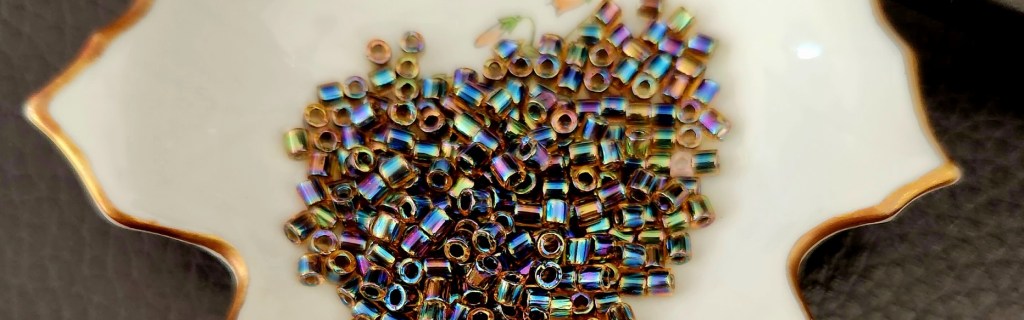
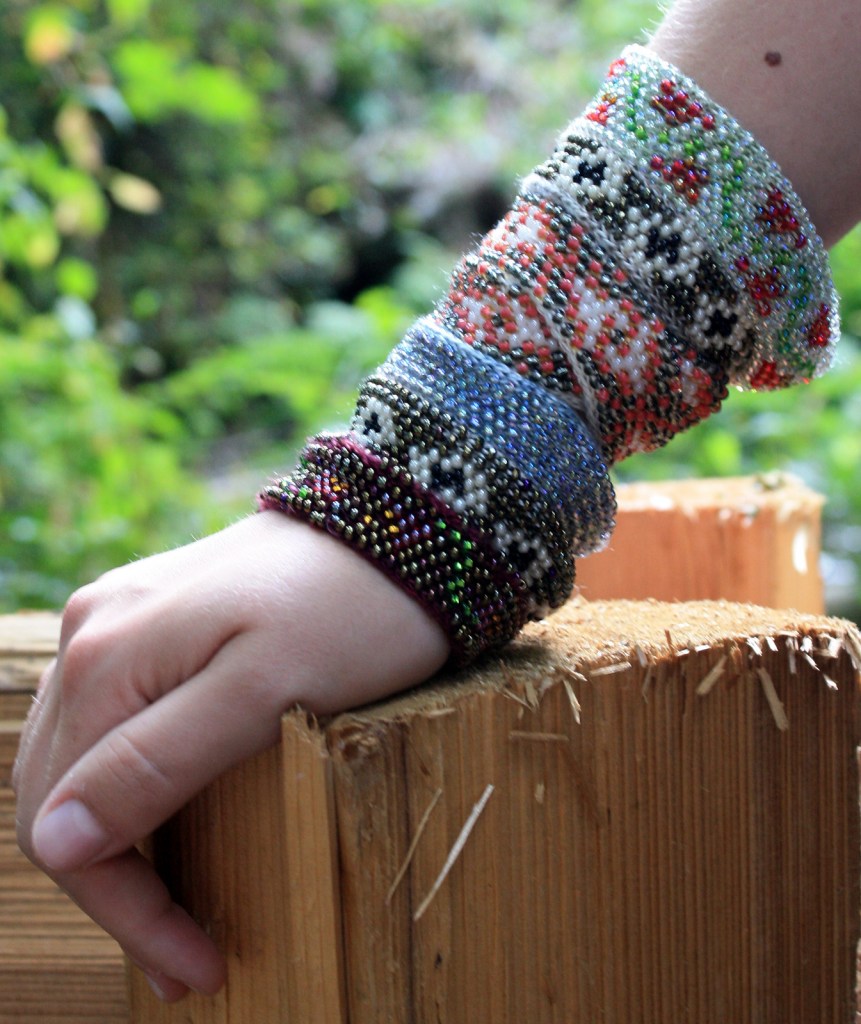
    Knitting with beads – There are several methods for placing a bead onto knitted fabric: between the stitches, on one arm of the stitch or on both arms of the stitch. Some methods require that the beads be strung on the knitting yarn before knitting. Some are placed on the stitch as it is knit and others are added after the work is finished. The size of bead will determine whether it can be placed on the stitch or whether it needs a separate strand. If you are planning to use thousands of beads on a project, do work a sampler first to determine the most efficient method of working the beads. When stringing beads make sure that there are no knots in the yarn.

    Traditional bead knitting -The bead is placed on one arm of the stitch. All beads need to be pre-strung and if using multiple colours they need to be pre-strung in reverse order.

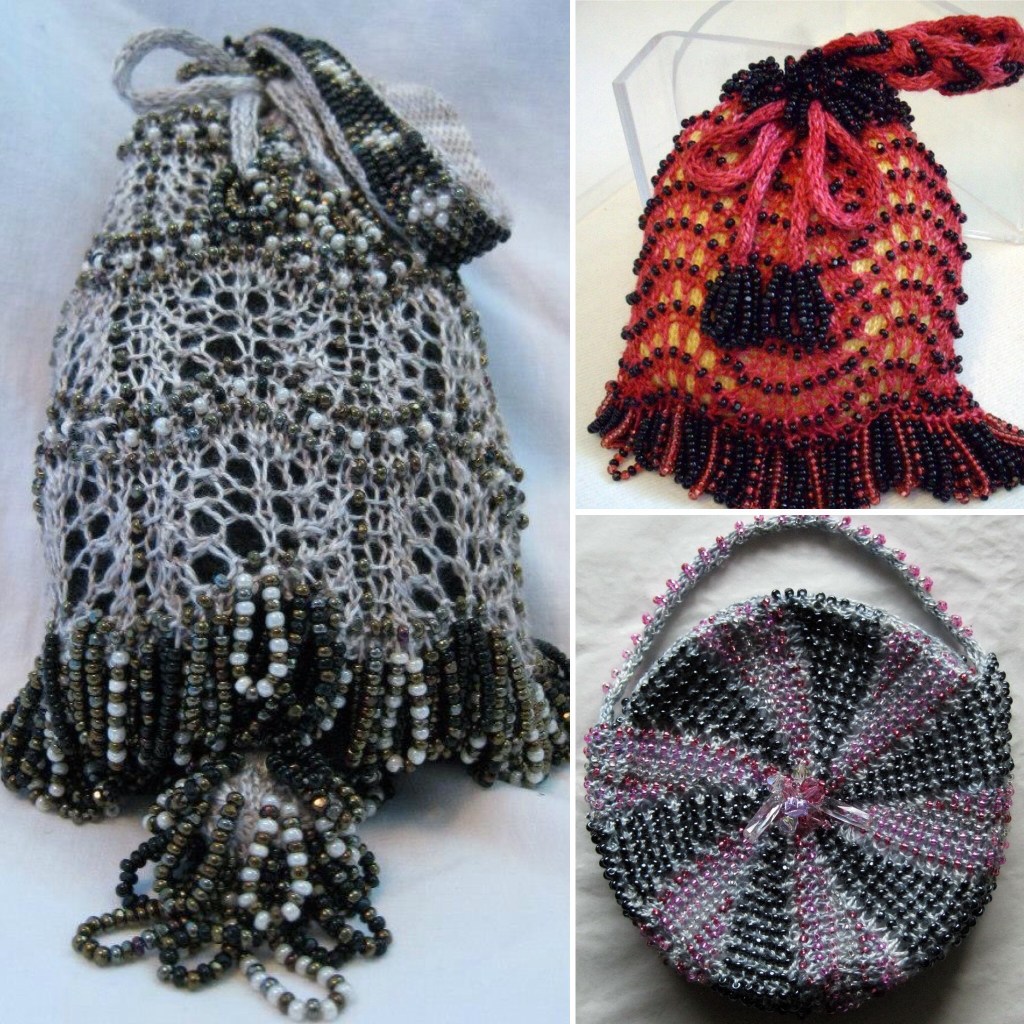
    A bead is placed on an arm of each stitch, as you are knitting through the back of the loop. This style of knitting will have a tendency to bias. This is not a problem if the fabric is knit circularly. (Which is the only way I will tackle it!) Most Victorian purses were worked circularly and the biasing was not readily noticeable. The other advantage of working circularly is that you do not need to work a purl stitch through the back (try purling through the back of a loop and placing a bead at the same time!) Bead knitting used to be worked with small (think micro) seed beads and silk or cotton thread and very fine steel needles. There are still knitters who work in this way.

    I work bead knitting with small beads (not micro) and fine yarns – lace or fingering weight yarns (not threads) and small needles, anything from 2.0mm US#0 to 2.75mm US 2. I haven’t done any bead knitting for quite a while. I have taught both styles of bead knitting but always had a hard time convincing others that working traditional bead knitting was worth the effort!

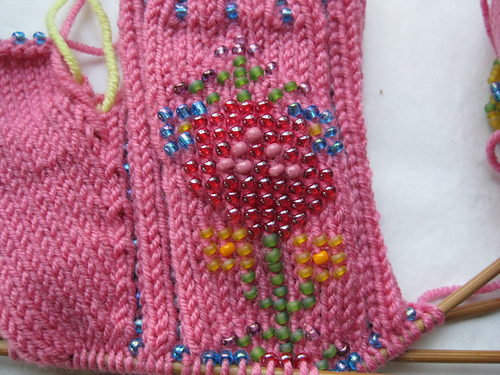
    I still use a lot of beads in my knitting but they are mostly placed with a small crochet hook, and not always pre-strung as in traditional bead knitting.

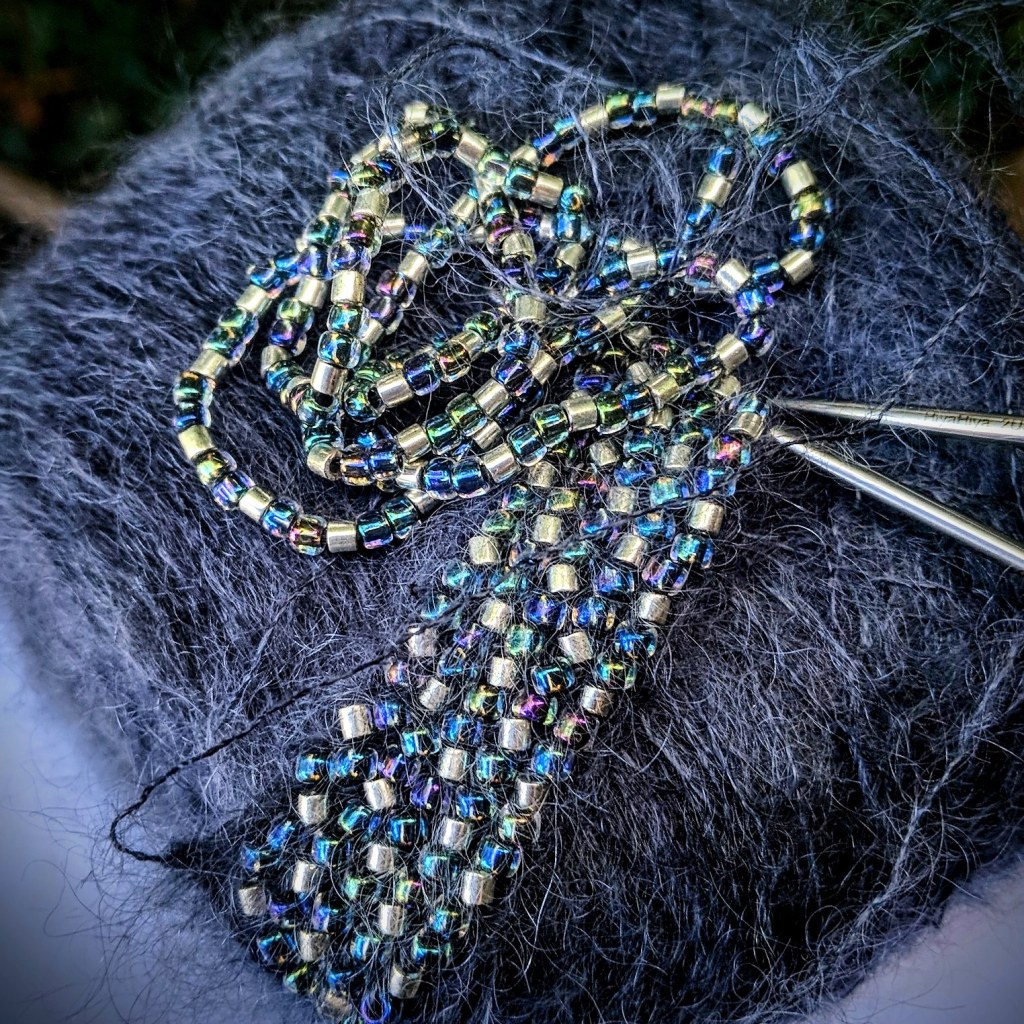
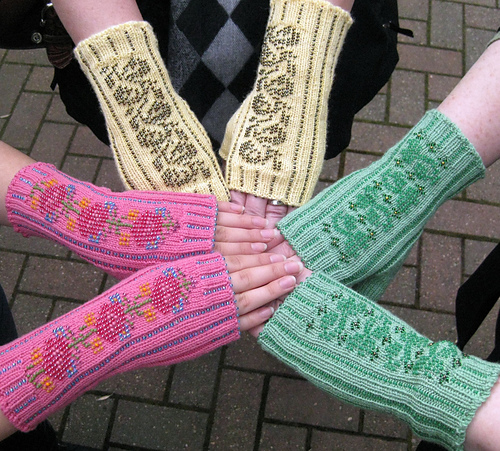
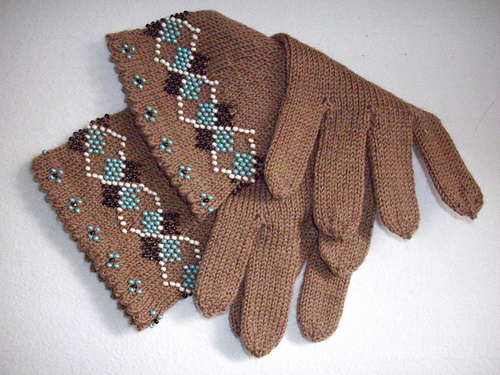
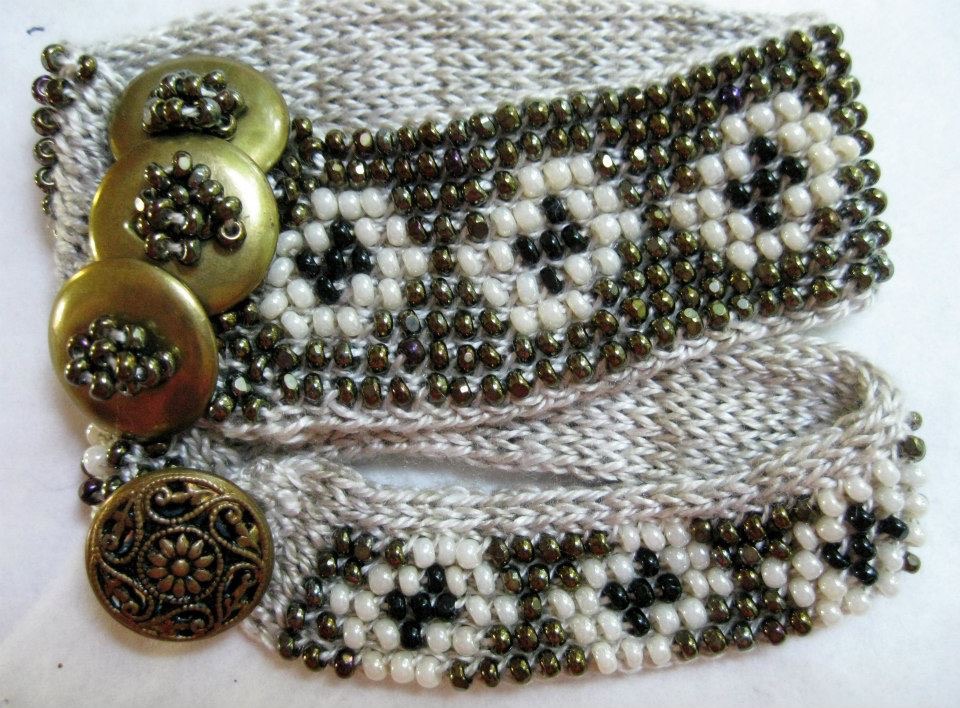
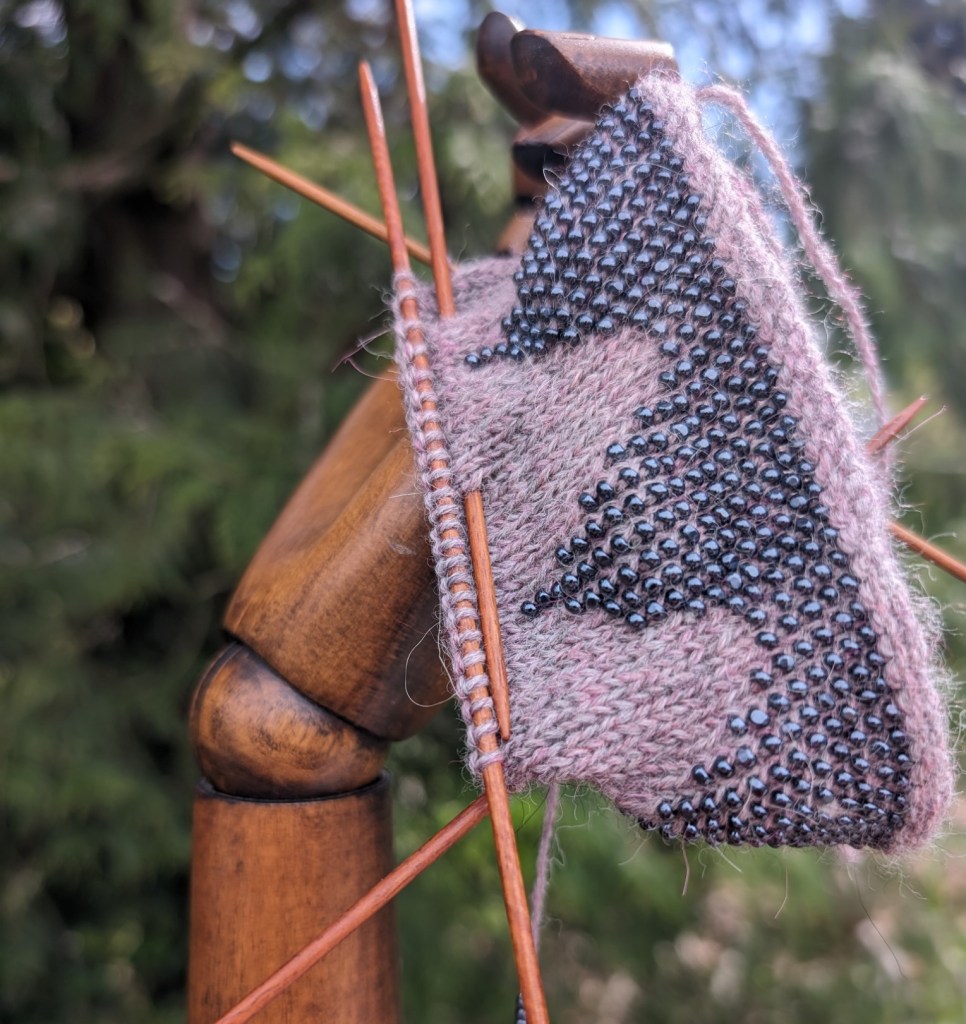
    So, when I decided to knit a pair of gloves with some beautiful new yarn I also decided to knit myself a beautiful bead knit edge for those new gloves.

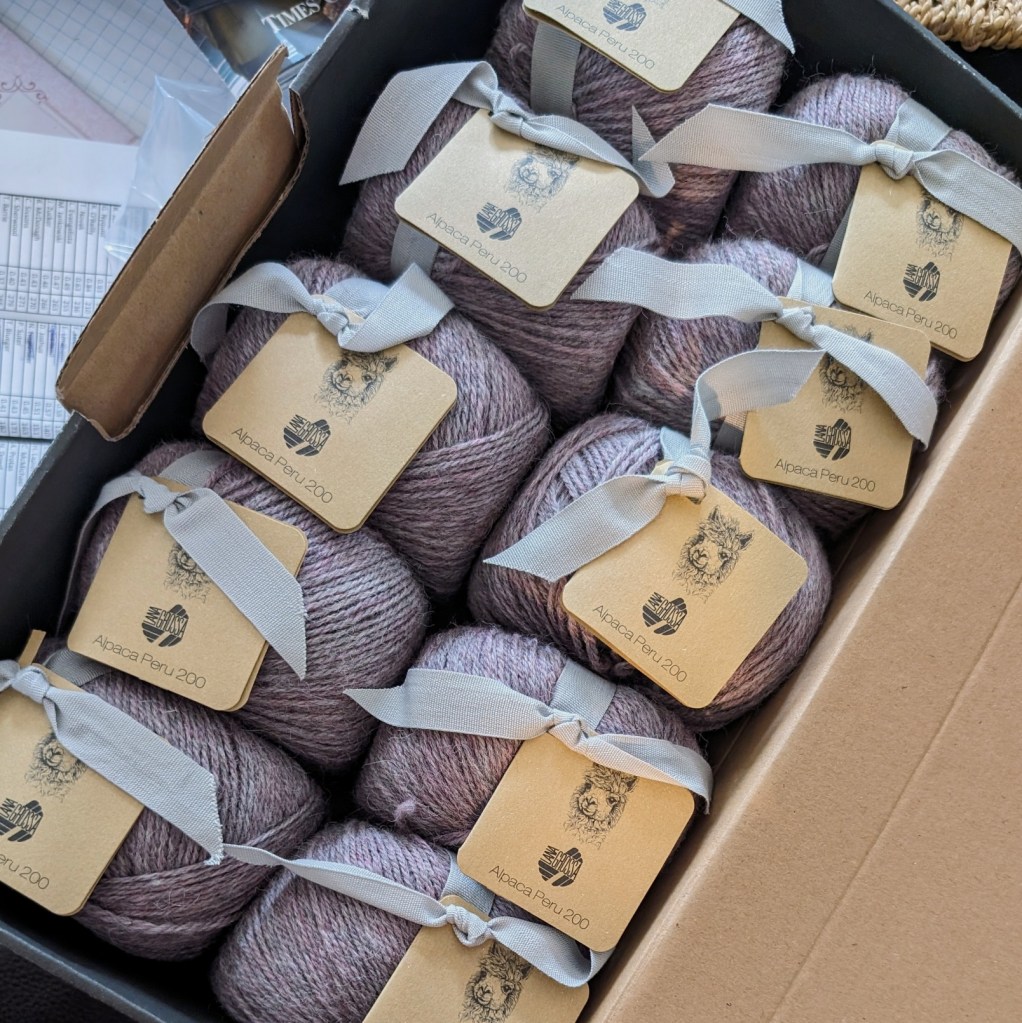
    Beautiful Alpaca fingering weight yarn – a soft pinky/lavender grey melange.

    I am seeing a short beaded gauntlet with either short finger gloves or mitts! But maybe I won’t be able to resist the lure of a proper pair of gloves! These gloves are my “swatch” for the yarn. From this I can learn about the yarns strength, how or if it has a “halo”. How much will it stretch (alpaca has no memory – so if it stretches it won’t go back). And I have something useful at the end of the knit. Many of my hats are gauge swatches. A trick that Elizabeth Zimmermann suggests as a means to learn your yarn and create something useful at the same time!

    The yarn is a breeze to knit with. And yes, there is a lovely halo. The yarn is also handling the weight of the beads without too much obvious stretch. So I will continue on, and isn’t it a beautiful colour?

    I was wondering if anyone would be interested in a workshop this summer to learn how to bead knit…. I would love to lead you down the garden path and introduce you to another side of working with beads and knitting!?

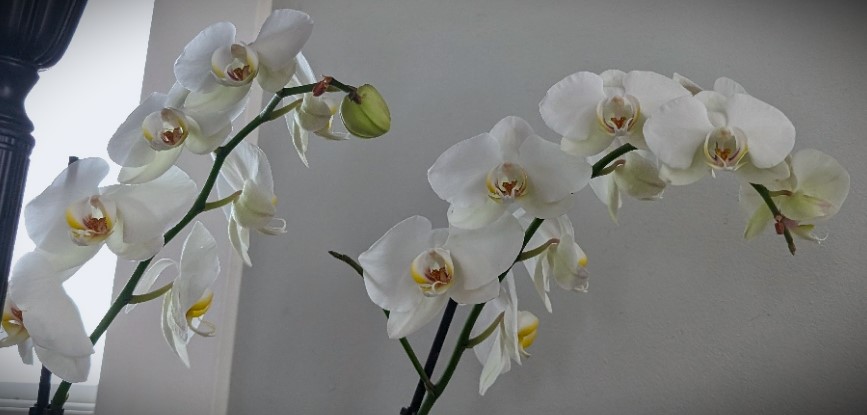
    Check out the Orchid! It is still kicking and has opened some new blossoms!

    Happy Knitting!

    Lynette

  • Spring Fling Shawls

    Spring Fling Shawls

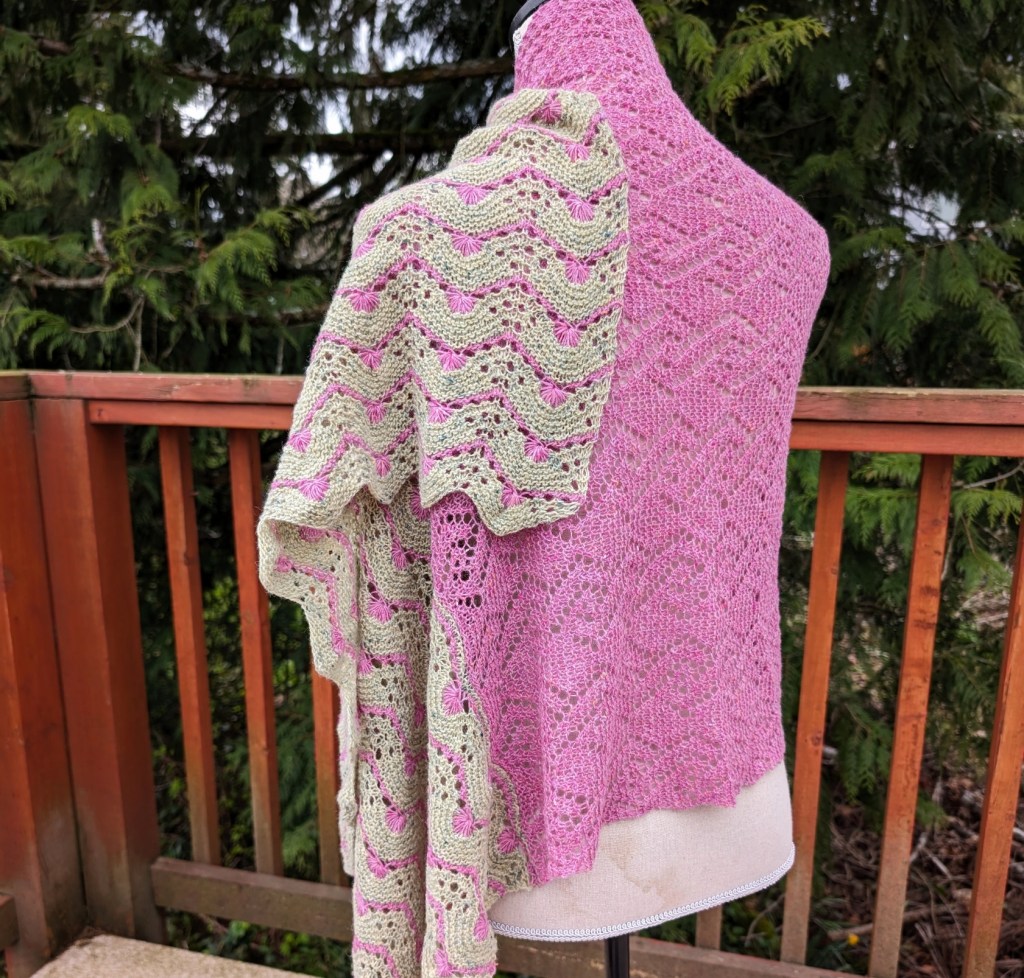
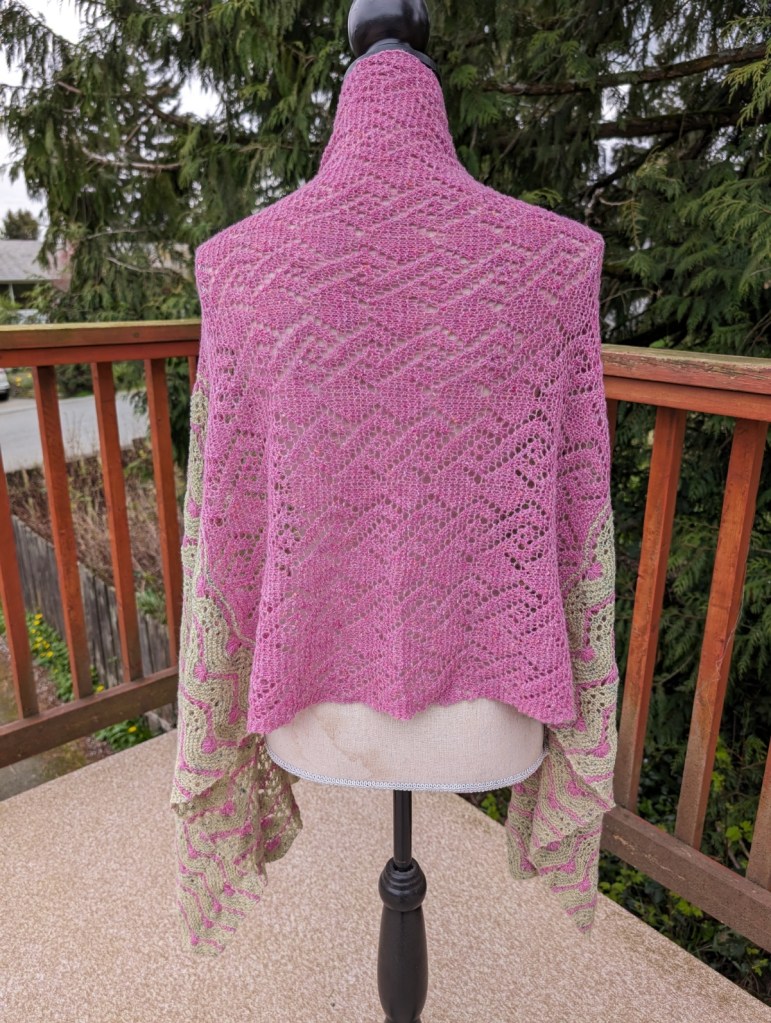
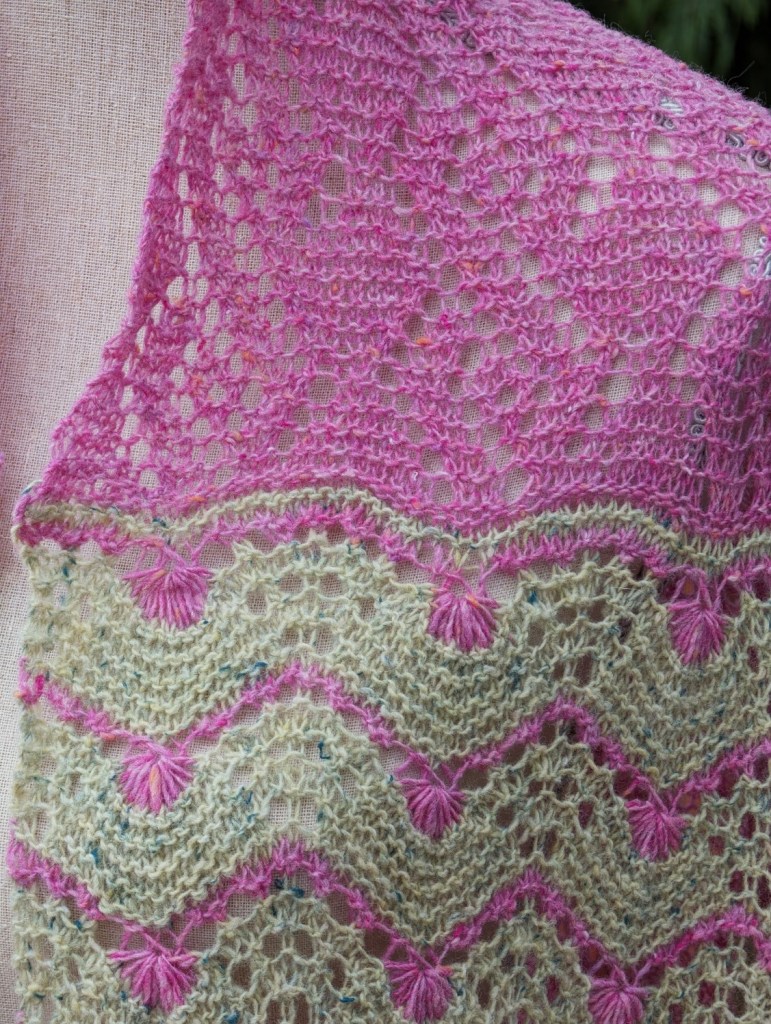
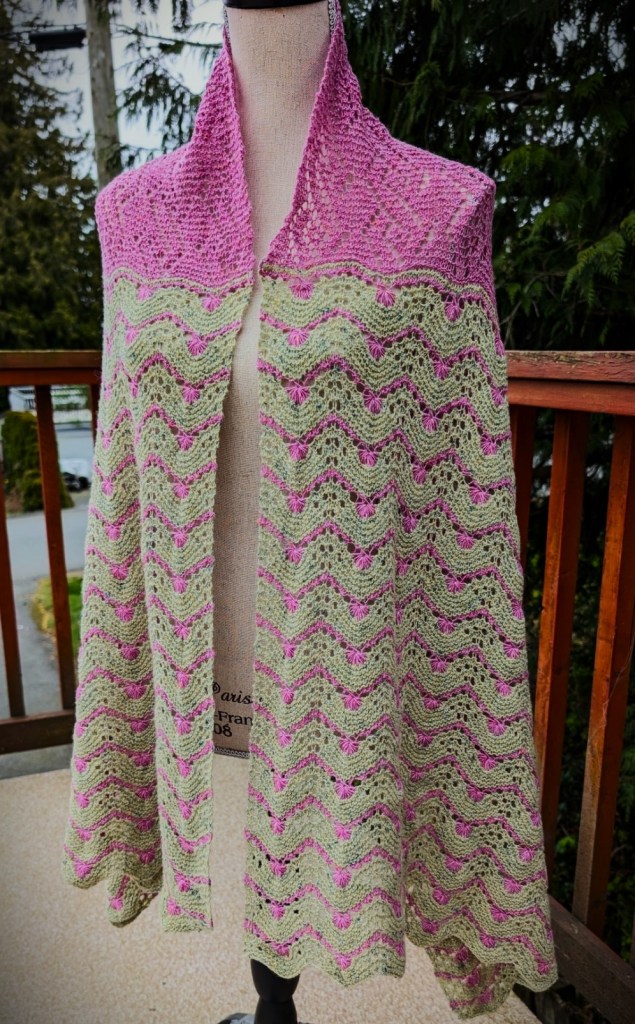
    I had a couple of shawl samples come back from my test knitter in the last couple of weeks. It was planned and it worked! They both are knit in fabulous fresh Spring colours! And I hope to have both patterns out by the end of May!

    Cockleshell Love – knit in B.C. Garn Loch Lomond Lace, Eggshell and Baby Pink (more rose pink) colourways.

    Fushia – knit in Manos Fino, Topsy Turvy colourway.

    What do you think?

    Spring has Sprung!

    Happy Knitting

    Lynette
  • Glory in the Snow

    Glory in the Snow

    Yarn is my Happy Place. Knitting with yarn is the perfect expression of my state of mind. Knitting with yarn that is new to me and often has been gifted to me is my idea of perfection!

    I am in my heart a lace knitter – it is one of the most beautiful expressions that can be created by two sticks and some string. And right now I am extra Happy!

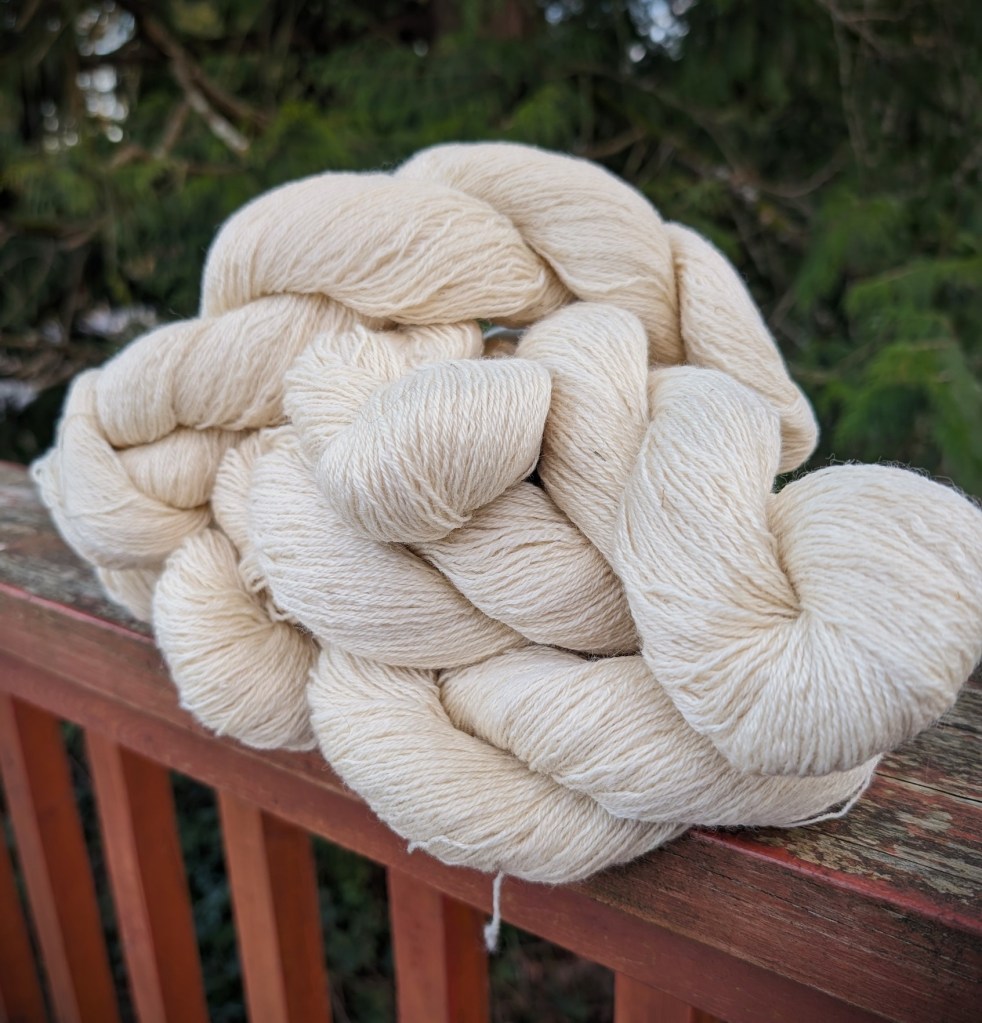
    Yesterday Angela Beltane of Widdershin Farm, which is just outside of Duncan, gifted me with some of her BFL, Blue Faced Leicester, fingering weight yarn… enough for a large shawl. I am thinking a large Pi shawl! This yarn is soft and glossy and Oh so smooth!

    The Bluefaced Leicester (BFL) is a remarkable breed of sheep that traces its origins back to the eighteenth century in Dishley, Leicestershire, United Kingdom. Let’s delve into the fascinating details of these woolly creatures:

    1. Appearance:
      • BFL sheep have a distinctive blue-gray face, which gives them their name.
      • Their ears are long, and their fleece is curly and fine.
      • Unlike other woolly breeds, they lack wool on their heads and necks.
      • The Roman noses of Bluefaced Leicesters reveal dark blue skin beneath their white hair.
    2. Wool Quality:
      • Their wool is one of the softest among UK sheep breeds.
      • Fleeces weigh between 1 to 3 kilograms (2.2 to 6.6 pounds).
      • Although not heavy, their wool is lustrous and prized for its quality.

    It is going to be gorgeous. I took the day off of my other projects – dress knitting, class knitting and future planning to play with my new yarn.

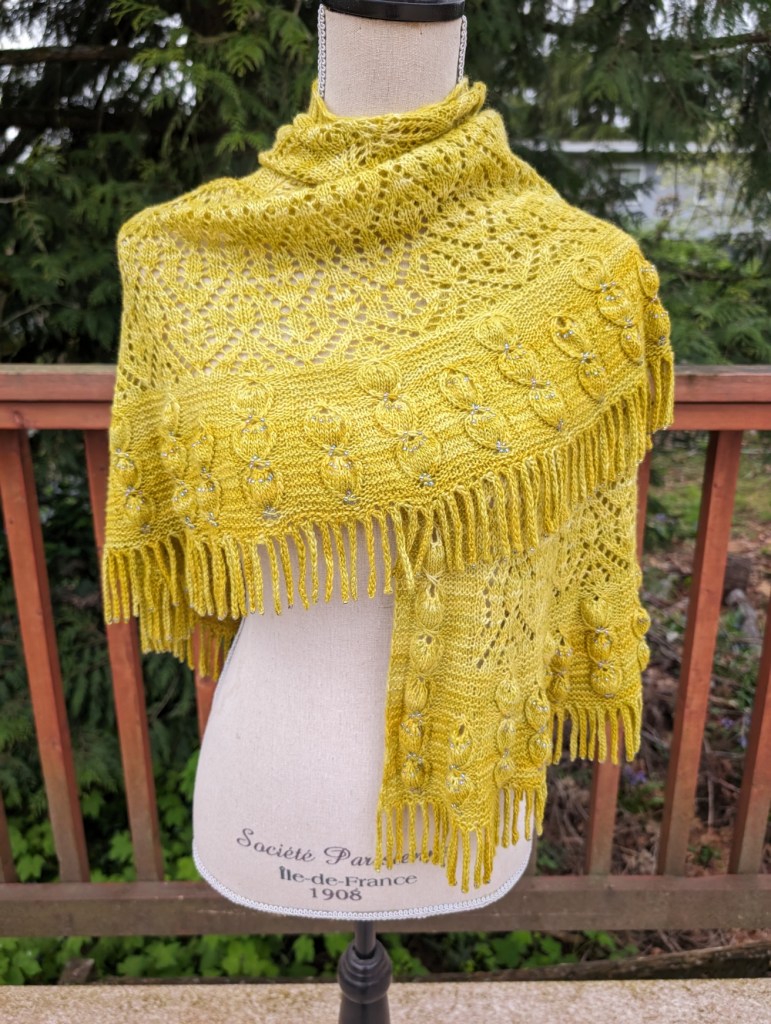
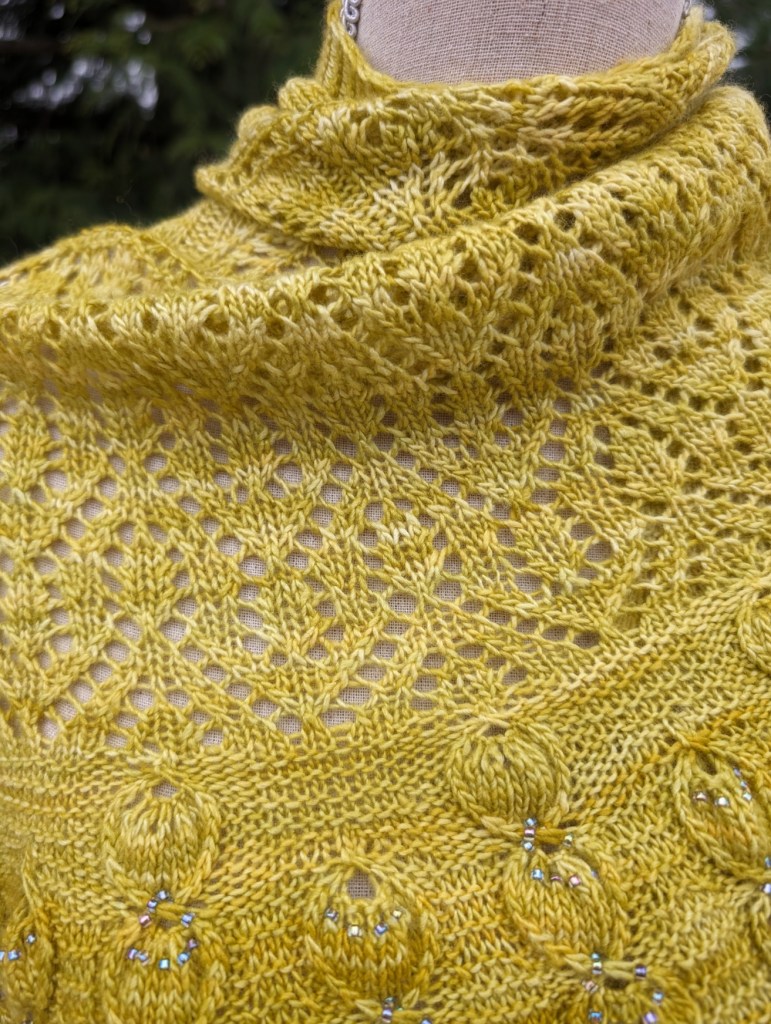
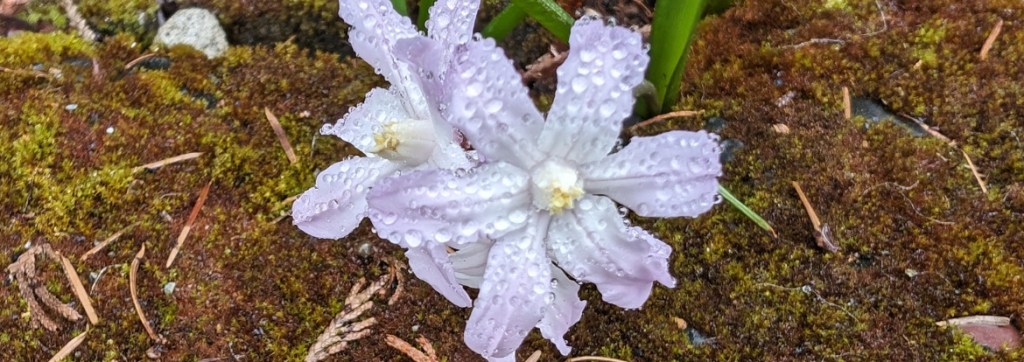
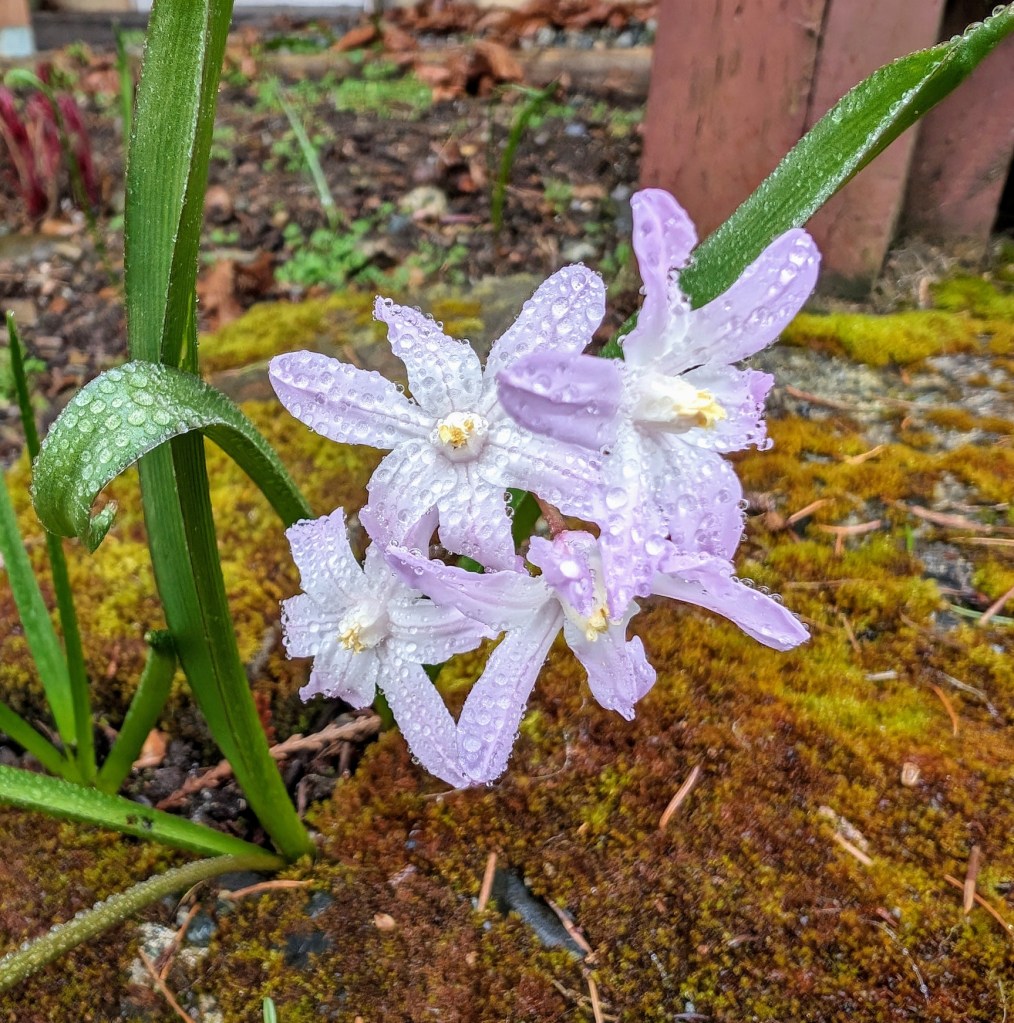
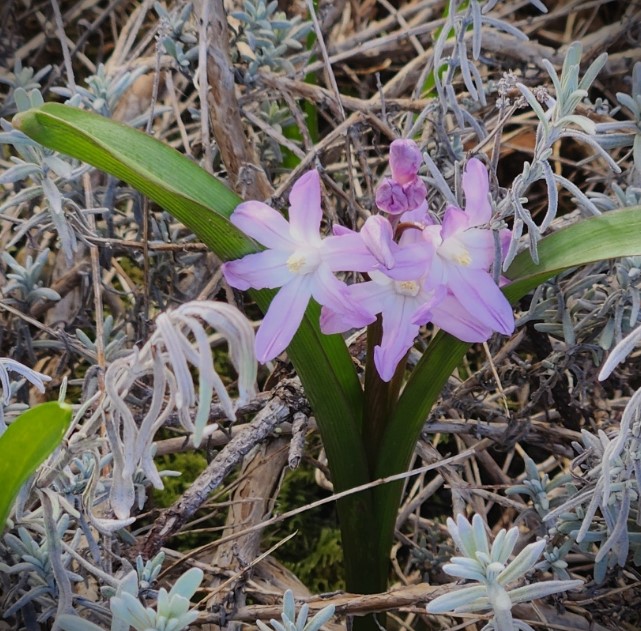
    Today is one of my day’s off and it is rainy and gray and the perfect kind of day to knit! Rainy days also produce some lovely photographic opportunities! Check out the Scilla (Glory in the Snow) from the garden. They are the inspiration, and name, for my Pi Shawl, one of my favourite shapes for a shawl. A PI Shawl is circular and can be as big as you can knit! It is going to be full of floral, water and leaf motifs!

    I am going to work from Elizabeth Zimmerman’s basic Pi Shawl tutorial and fill it full of my own patterns!

    Can’t you just see crystal beads on the shawl? Just like the flowers!

    Happy Days! Happy Knitting!

    Lynette

  • Knit a Dress With Me – Update

    Knit a Dress With Me – Update

    If you are following the my design notes on Ravelry you will find this to be repetitive but if not I hope that you are enjoying the journey!

    Three rounds to go and then I start the panel shaping!

    Dry blocked I am at about 12 inches. The Panels will add approx 7 to 7.5 inches to the length – dry blocked.

    Things I am thinking about and would really appreciate feedback on.

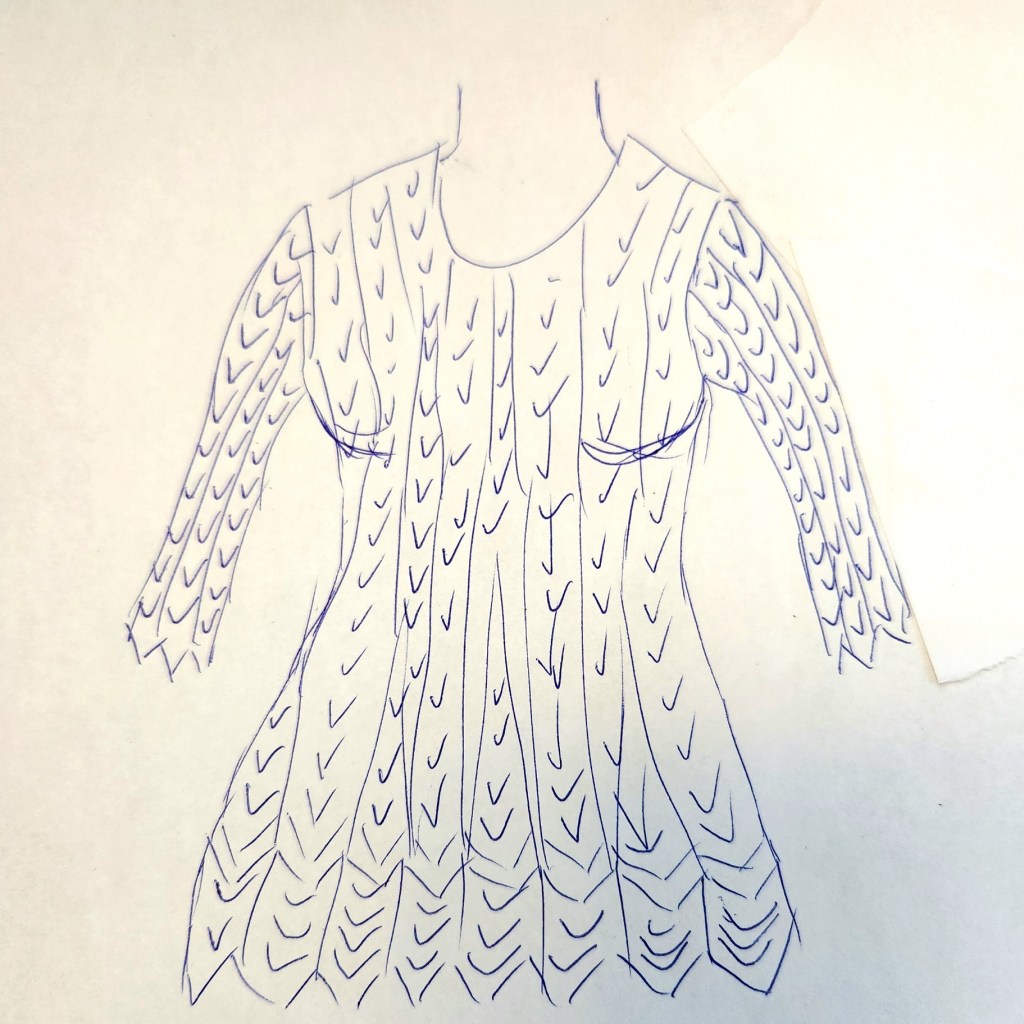
    How closely fitting should the dress be? I am thinking fitted with about 2 inches of ease around the waist for comfort and to smooth out over a slip of some type. I have a pretty good idea of how to achieve the shaping as we get closer to the waist. Which will involve more panel shaping.

    Are you thinking of something that could be pulled over the head?

    If fitted there will need to be an opening of some type in the side seam or up the back. I am thinking side seam buttons under the arm and down past the waist – no zipper – zippers and knits are very chancy. I love the vintage feel of the side seam opening – very old fashioned dress finishing. I am not a big fan of buttons up the back – besides then so much of the dress would need to be knit flat as opposed to circularly. Though there is something about a long swath of tiny buttons up the back of a dress….

    If fitted, then after the waist area there will need to be darts. I chose the panel approach to make it easier to add waist darts if I wanted. But then will I need to add bust darts? If so, how? Short rows are the traditional way, but that would interrupt the lace pattern. I could end the lace pattern on the side of the front after the waist and just have panels in the front, but my vision is still of all over lace. Things to think about as I knit.

    If you are looking for a pullover style of dress – the option will be there and quite easy to make work – let me know.

    I am going to see how far I can get in the next week, after that I will be working on a sample and pattern for a yarn company which will slow this down for a couple of months!

    I will be changing needle size on round 15 of the decreasing chart. Just another quarter point from 3.75mm to 3.5mm (US#4).

    I am not sure when I will go to the 3.25mm. Most likely before the waist area.

    As for shaping the bodice depending upon your shape you may need bust darts or you may not – but you will need some shaping if you want it fitted – even if your bust only has a gentle curve.

    If you want a waist line and would like your dress to be a pullover style, we can add a double knit tubular channel for a belt or Gathering cord. Knit a fine belt in i-cord or 1×1 ribbing to run through the channel and we have a waistline. Alternatively we could run elastic through the channel. Anything to gather to the waist.

    For a more fitted style, then back to the buttons along the side seam. Or maybe an A-line shape with a slow, gentle line of decreasing stitches.

    But before we get there…

    At round 29, if you want a shaped waist, stop knitting. We may be adding more shaping panels. Not sure when I will be able to work those out.

    If you want a waist that is gathered into the belt or elastic, knit until your skirt is your desired length, and then wait for me to get there.

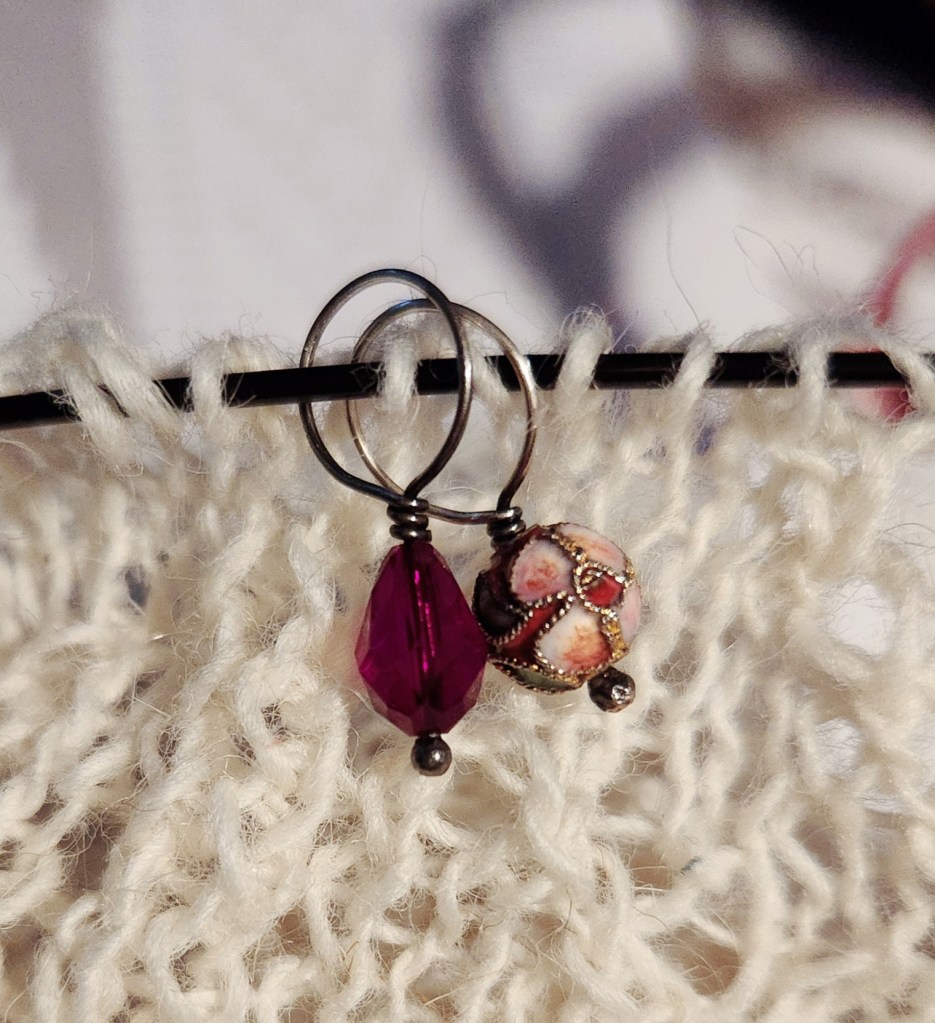
    Double markers for double tracking! I started my first shaping round!

    Spring flower popping up through the Lavender!

    We are facing a glorious weekend of sunshine here! And the flowers are starting to come. The buds are on the trees and the cherry blossoms are starting to bloom! I love the colours of Spring!

    Happy Knitting

    Lynette
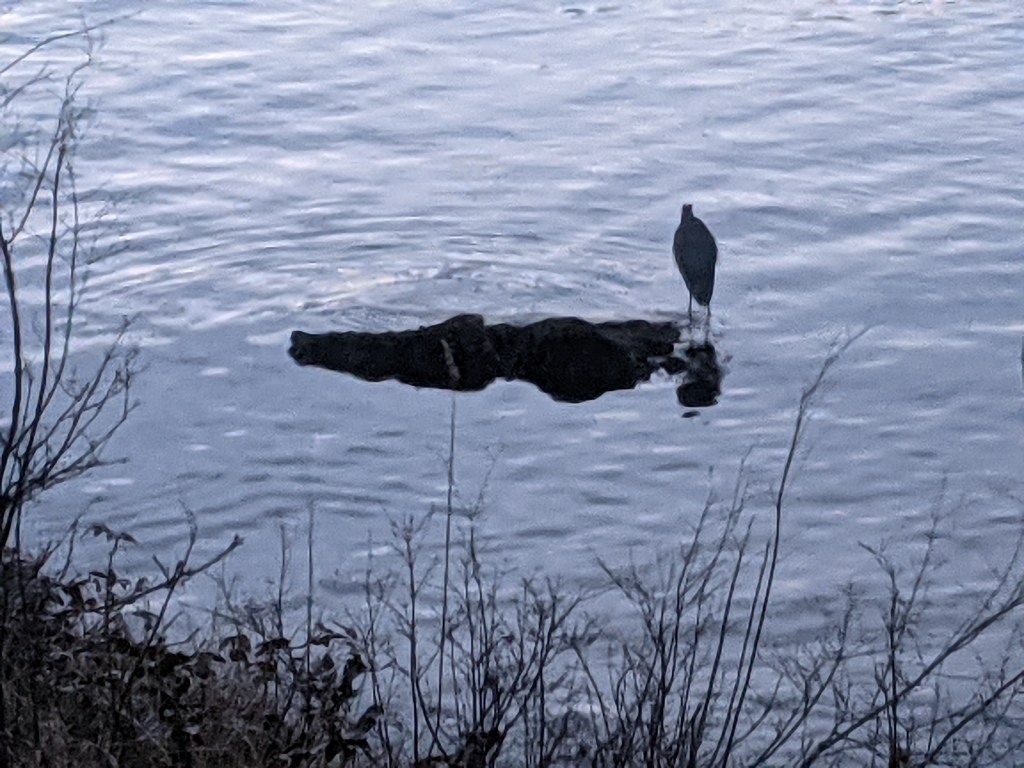
    The lacy tracery of branches and leaves against a blue sky! How wonderful is nature.

  • Knit a Dress with Me

    Knit a Dress with Me

    A little over a year ago I decided to knit a dress for myself. I bought the yarn, did some swatching and started to knit.

    My father’s illness and subsequent passing sort of put everything on hold.

    Yesterday I pulled out my knitting and decided it was time to start it again.

    Would you like to knit a dress for yourself? Come and knit one with me. It is free. It is “pithy”, to quote Elizabeth Zimmerman and it (the pattern) will be very flexible. This will be a creative recipe, a guideline, not a hard and fast pattern that you can only knit one way!
    This pattern is designed for intermediate knitters with some experience with lace knitting. The lace patterning will not be difficult, in fact knitting the skirt could be a little repetitive and boring. Shaping, and fitting the top of the dress could be a little challenging. But by then you may be a professional lace knitter.

    Dress pattern will be written and charted. You can find the link to the pattern in my Ravelry Store and on a post in my forum, also on Ravelry.

    knit a dress with me

    The dress is knit in panels. The dress starts at the hem and will be shaped to fit loosely at the waist and darted to fit a bust line. There will be sleeves, but as they will be fitted they could be omitted to turn the dress into a sleeveless dress or jumper. I am sort of putting in three sizes. Right now those sizes refer to the hem. How wide do you want your hem? These sizes were created from my gauge.

    There are two panels to choose from. One (titled Skirt) will give you a lace panel at the hem and a solid skirt (the shaping will still work in the panels, these panels will also be solid knit)(no picture available). This was my first idea. Then I decided I wanted more lace and less plain knitting. I suffer from boredom without patterning.

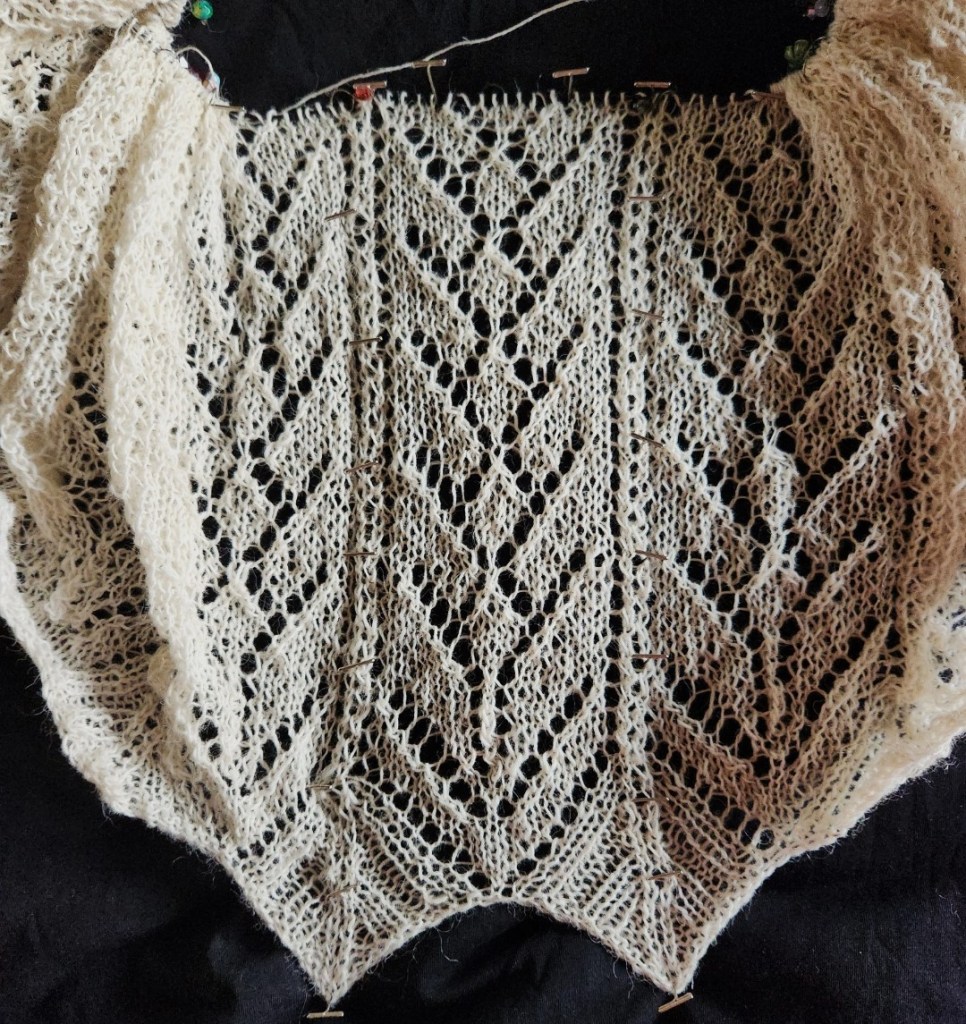
    The other panel (titled Dress Panel), the one I will be working, will create linear lines of lace up the skirt, through the shaping and into the bodice. Work the first 29 rounds as written and then repeat rounds 30 – 39 for the rest of the skirt.

    Please note – the shaping panels have not been written as yet. They will be added when I get there, maybe in about 4 months. So don’t hurry your knitting along. I will not be.

    My gauge is roughly 5 inches per panel (dry stretched, and pinned) I am expecting that the actual hem may be a bit larger.

    Why Panels?
    Panels will allow the knitter to easily add or take away panels to the cast-on (how full do you want your hem to be?) and then remove them when I start adding the reducing panels. I recommend adding repeats in either, twos or threes – to make the later shaping easier. So you can take away the stitches evenly around your skirt.

    Each Panel is 21 sts – 5 inches.

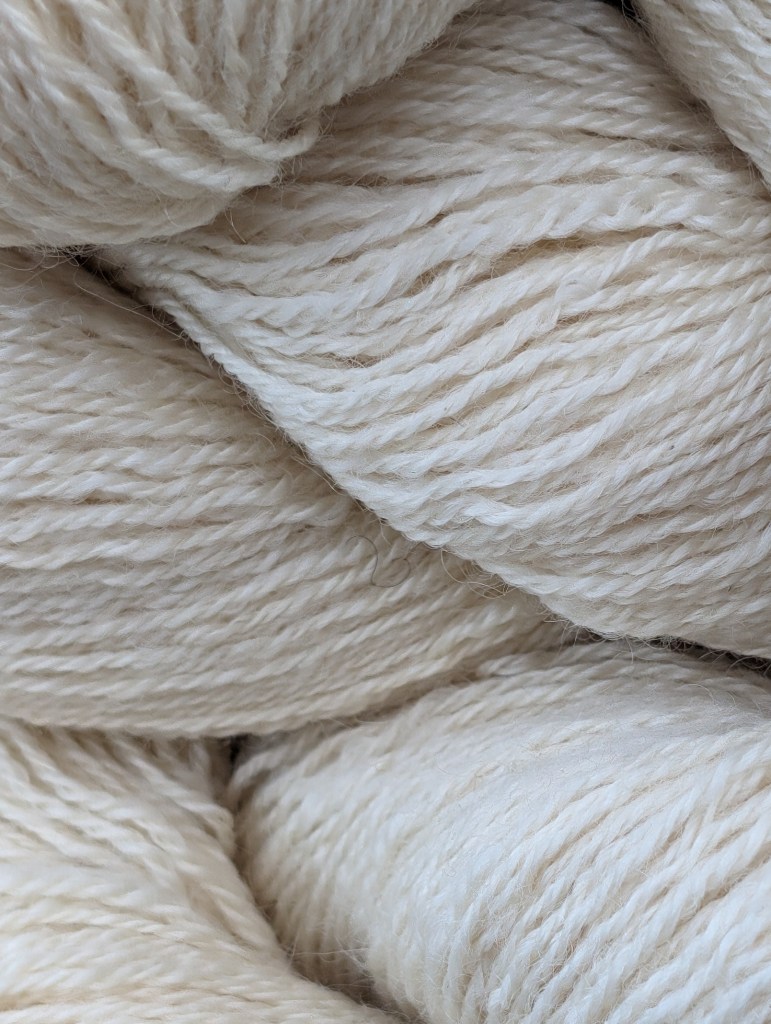
    I am working with Lopi Einband – a heavy laceweight (or light fingering). I have approx. 2500m in my stash. I am working with undyed yarn so that I can dye it later. For a longer or fuller skirt up to 3000m of yarn might be required.

    You can work with any yarn from light fingering to sport/light DK. The needle size is 4.0mm US #6 circular.

    You will need to work a circular swatch to check your gauge. Or not, a swatch is just for your information.

    By the way – my size is 50 inch hips, 42 inch waist and 43 inch bust. I am planning my skirt to come to just below my knees, so approx. 22 or 23 inches long. I will start the skirt shaping at about 15 inches in length. I have just over 2 inches (16 rounds) knit so far. This will not be fast. I am thinking the dress will be a year or two in the making.

    Happy Knitting

    Lynette