Le Tissier Designs

Of Larks and Linnets and Flying Fingers

Tag: favourite

  • Glory in the Snow

    Glory in the Snow

    Yarn is my Happy Place. Knitting with yarn is the perfect expression of my state of mind. Knitting with yarn that is new to me and often has been gifted to me is my idea of perfection!

    I am in my heart a lace knitter – it is one of the most beautiful expressions that can be created by two sticks and some string. And right now I am extra Happy!

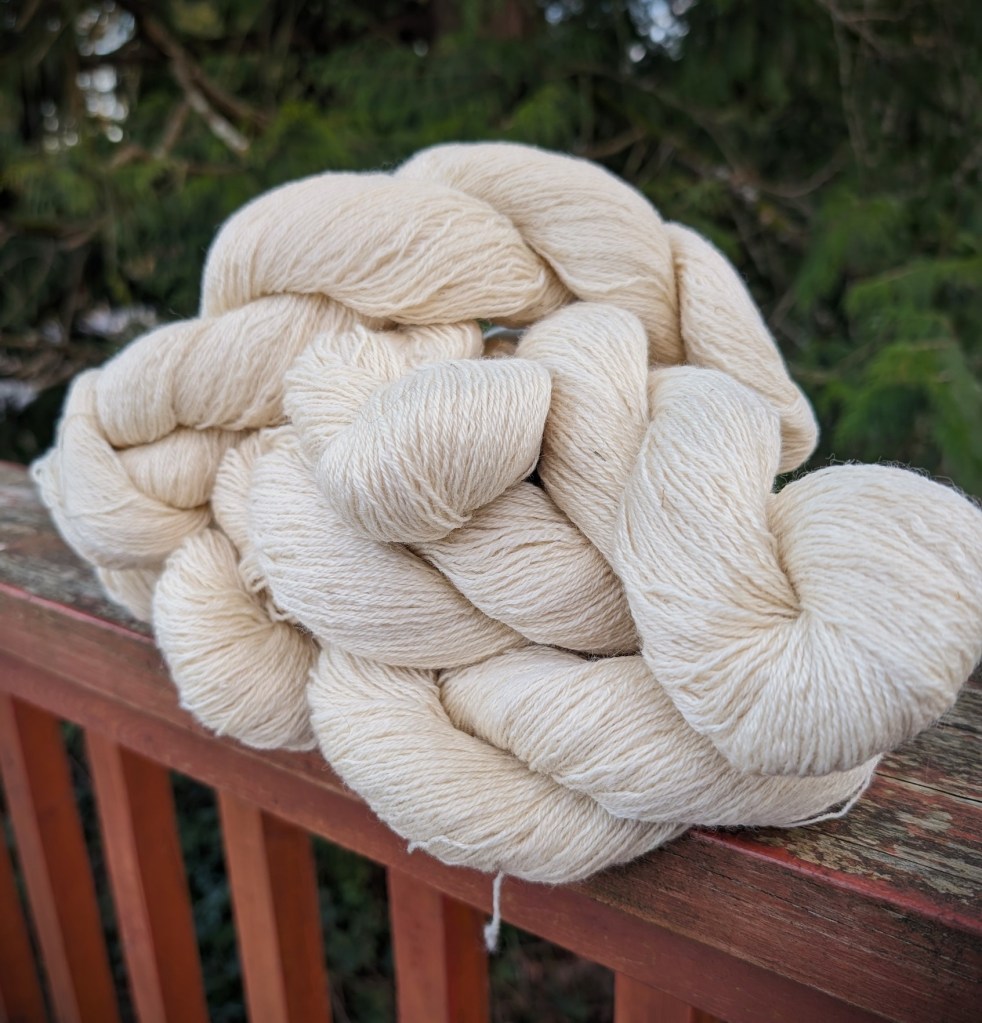
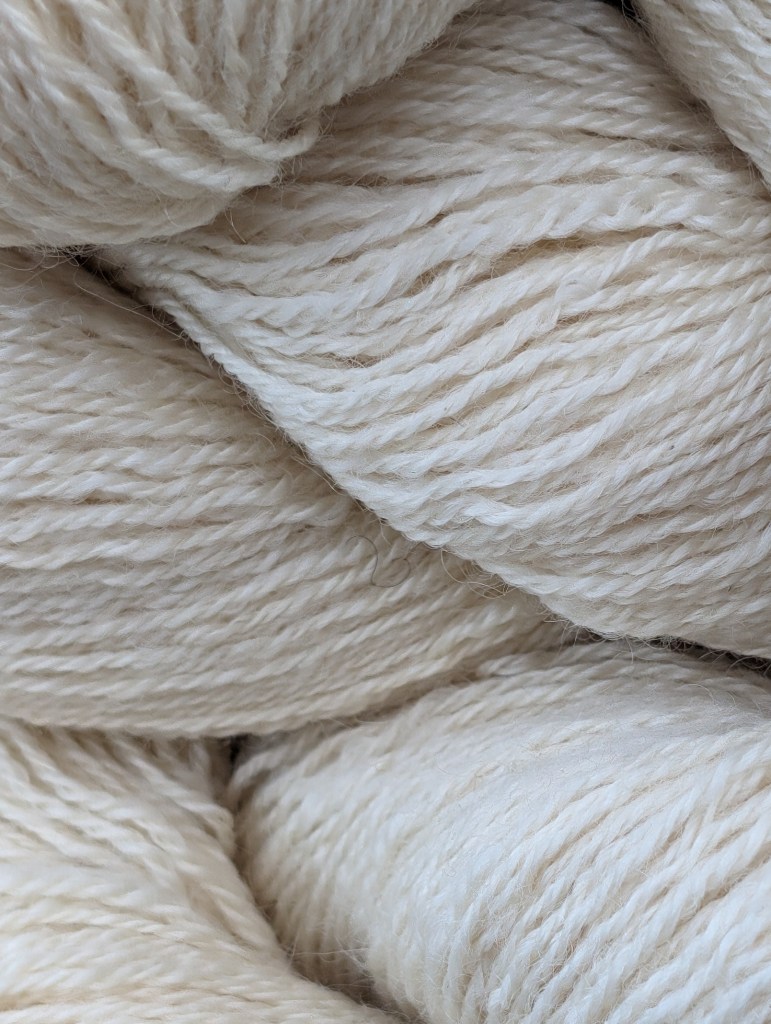
    Yesterday Angela Beltane of Widdershin Farm, which is just outside of Duncan, gifted me with some of her BFL, Blue Faced Leicester, fingering weight yarn… enough for a large shawl. I am thinking a large Pi shawl! This yarn is soft and glossy and Oh so smooth!

    The Bluefaced Leicester (BFL) is a remarkable breed of sheep that traces its origins back to the eighteenth century in Dishley, Leicestershire, United Kingdom. Let’s delve into the fascinating details of these woolly creatures:

    1. Appearance:
      • BFL sheep have a distinctive blue-gray face, which gives them their name.
      • Their ears are long, and their fleece is curly and fine.
      • Unlike other woolly breeds, they lack wool on their heads and necks.
      • The Roman noses of Bluefaced Leicesters reveal dark blue skin beneath their white hair.
    2. Wool Quality:
      • Their wool is one of the softest among UK sheep breeds.
      • Fleeces weigh between 1 to 3 kilograms (2.2 to 6.6 pounds).
      • Although not heavy, their wool is lustrous and prized for its quality.

    It is going to be gorgeous. I took the day off of my other projects – dress knitting, class knitting and future planning to play with my new yarn.
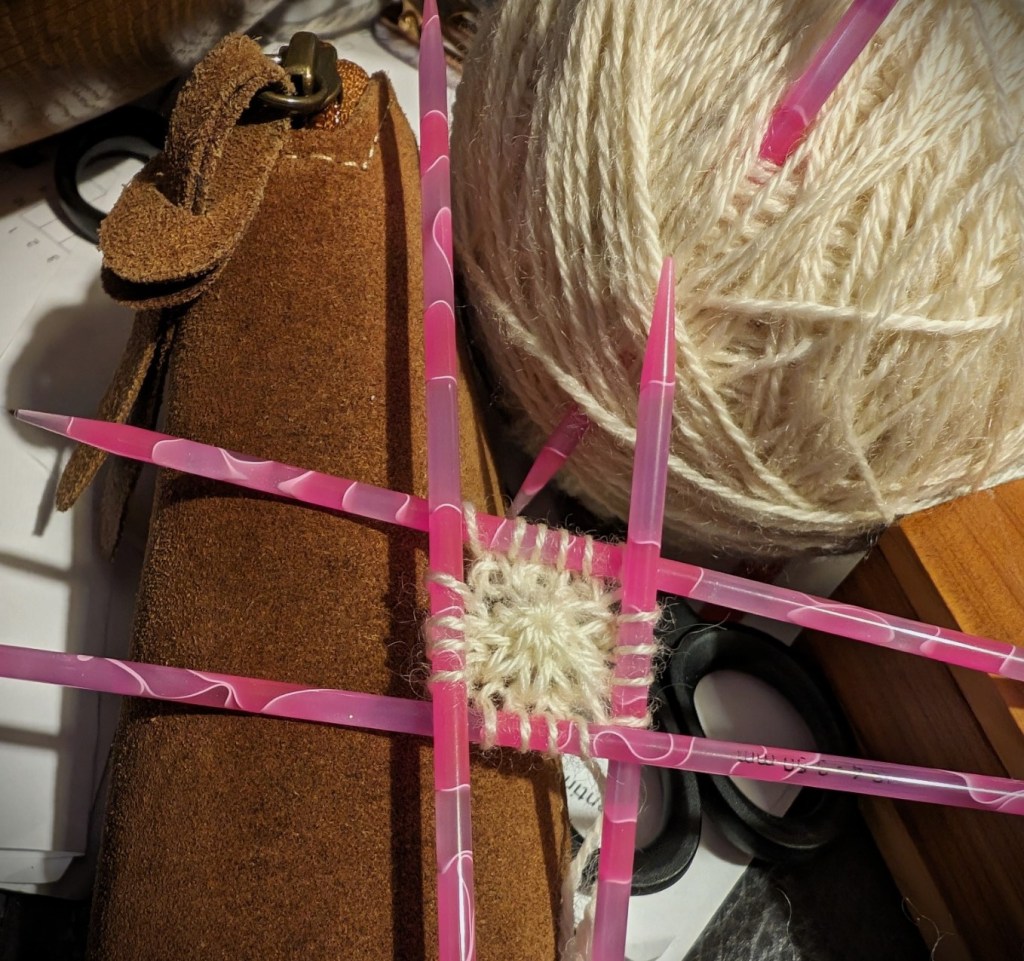
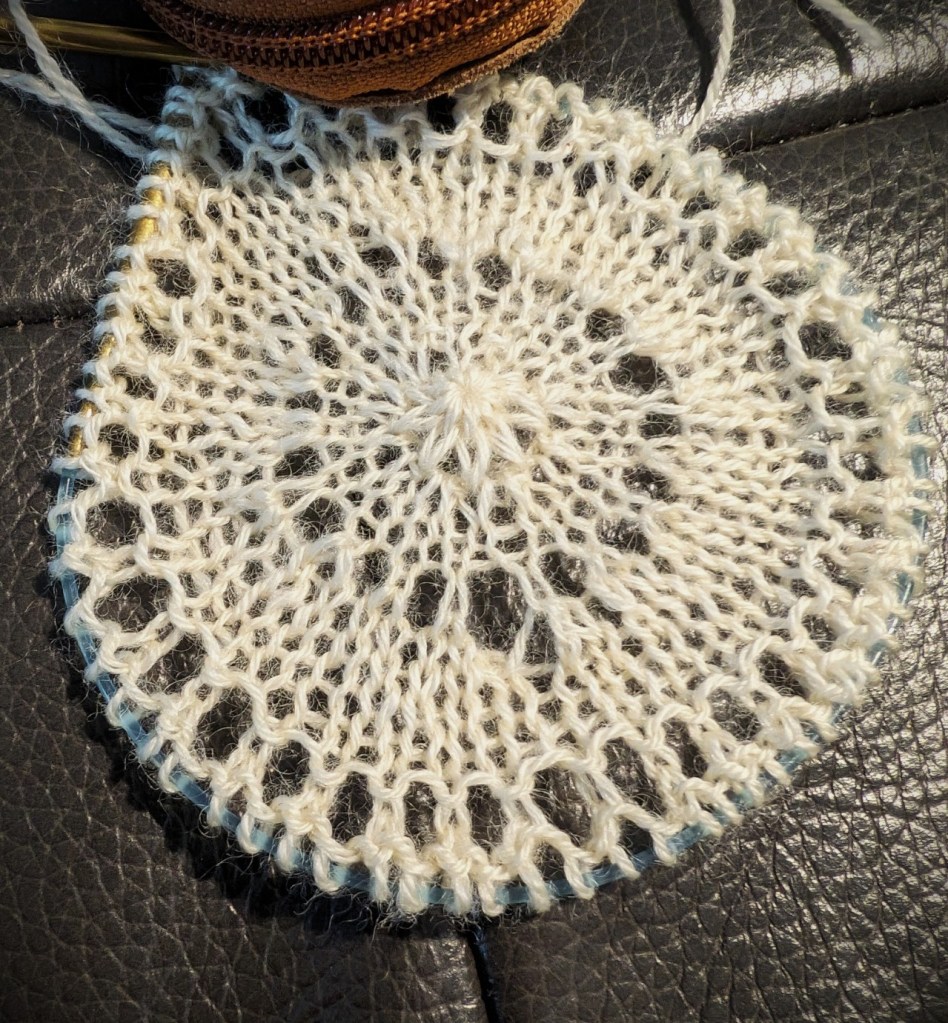
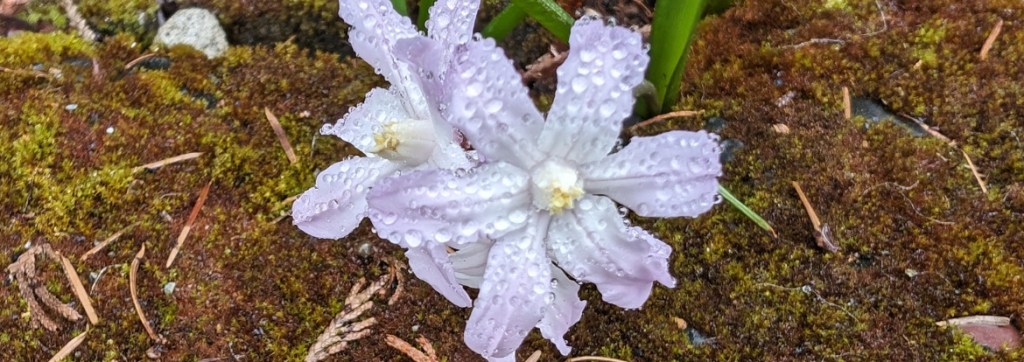
    Today is one of my day’s off and it is rainy and gray and the perfect kind of day to knit! Rainy days also produce some lovely photographic opportunities! Check out the Scilla (Glory in the Snow) from the garden. They are the inspiration, and name, for my Pi Shawl, one of my favourite shapes for a shawl. A PI Shawl is circular and can be as big as you can knit! It is going to be full of floral, water and leaf motifs!

    I am going to work from Elizabeth Zimmerman’s basic Pi Shawl tutorial and fill it full of my own patterns!
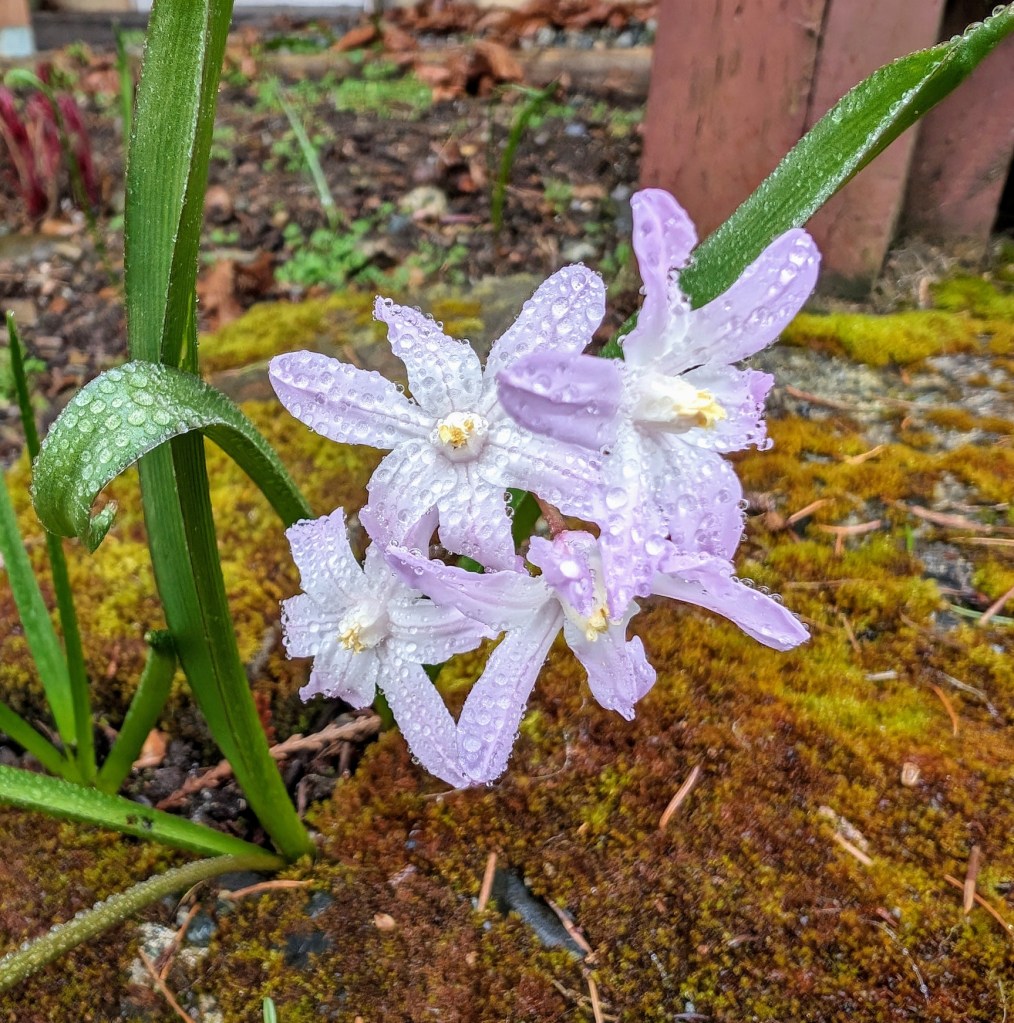
    Can’t you just see crystal beads on the shawl? Just like the flowers!

    Happy Days! Happy Knitting!

    Lynette
  • Thumbs UP!

    Thumbs UP!

    I have been knitting a lot of full mittens lately (as opposed to the fingerless variety). They seem to be my gift of choice is this year. They are fun and quick and are great vehicles for learning new techniques – they are sort of like hats that way.

    Adding the thumb is the only really fiddley bit. The most popular thumb is the fully shaped gusset with thumb. They are the classic thumb for mittens, but my favourite thumb is the afterthought thumb.

    Why the afterthought thumb? Well, it is especially great with patterned mittens, colourwork, texture or cable techniques. Why is it better? I am so happy you asked! LOL! The best and strongest reason is that an afterthought thumb (or afterthought heel) will not interrupt your patterning. Or does not require a special pattern separate from the rest of the mitten – though it can be a great vehicle for more patterning. Afterthought thumbs are usually added after the mitten body is finished and then worked in the main colour yarn in stockinette – making them an easy finish.

    How about a step-by-step tutorial?

    Technique 1

    I love this one for almost everything! But especially textural patterns in any weight. See Boldly Tweed Set.

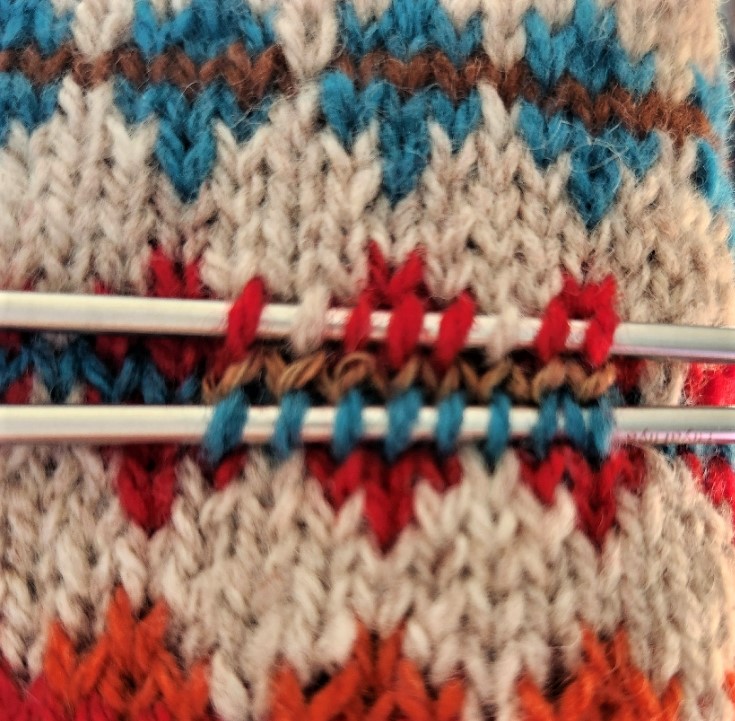
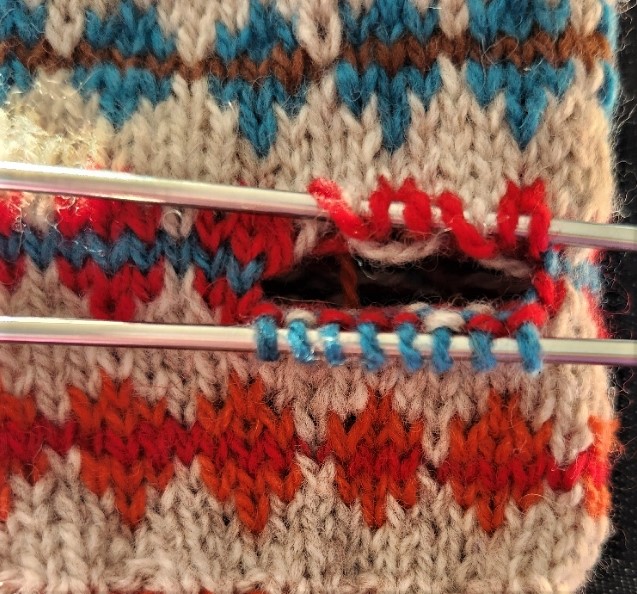
    1. first work in pattern to the thumb insertion point; drop the working yarn and pick-up a length of waste yarn and work the desired number of stitches for the thumb as per the pattern size
    2. slip the waste yarn sts from the RH needle back to the LH needle; now resume working the pattern – knitting over the waste yarn insertion – with the mitten yarn and ignore the waste yarn until the mitten body is complete.

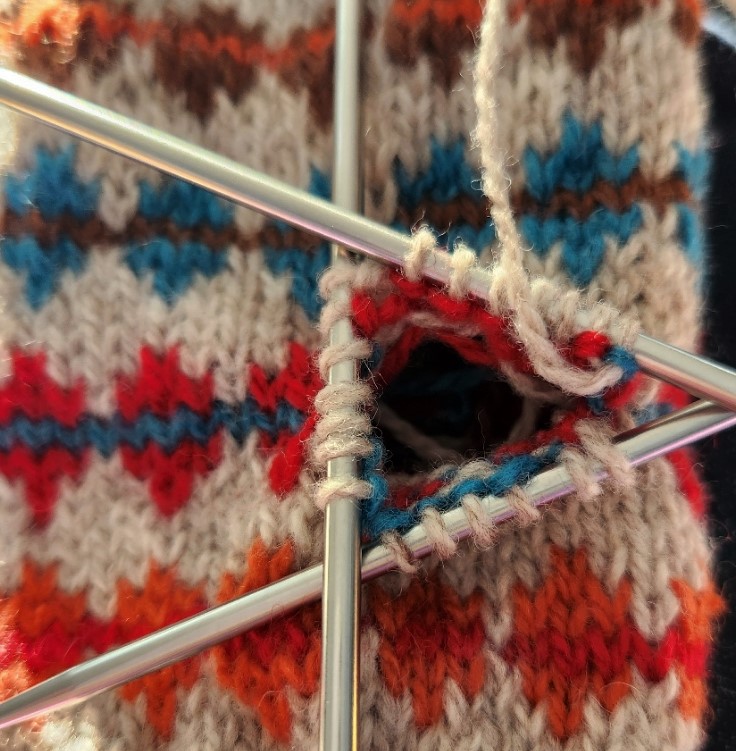
    Work next round of thumb as follows; K2tog, knit to 1 st before next divide, SSK, K2tog, knit to 1 st before next divide, SSK – thumb is now ready to complete as pattern requires.

    Technique 2

    I use this one mostly with heavier yarns. I find it easier to work than the other method.

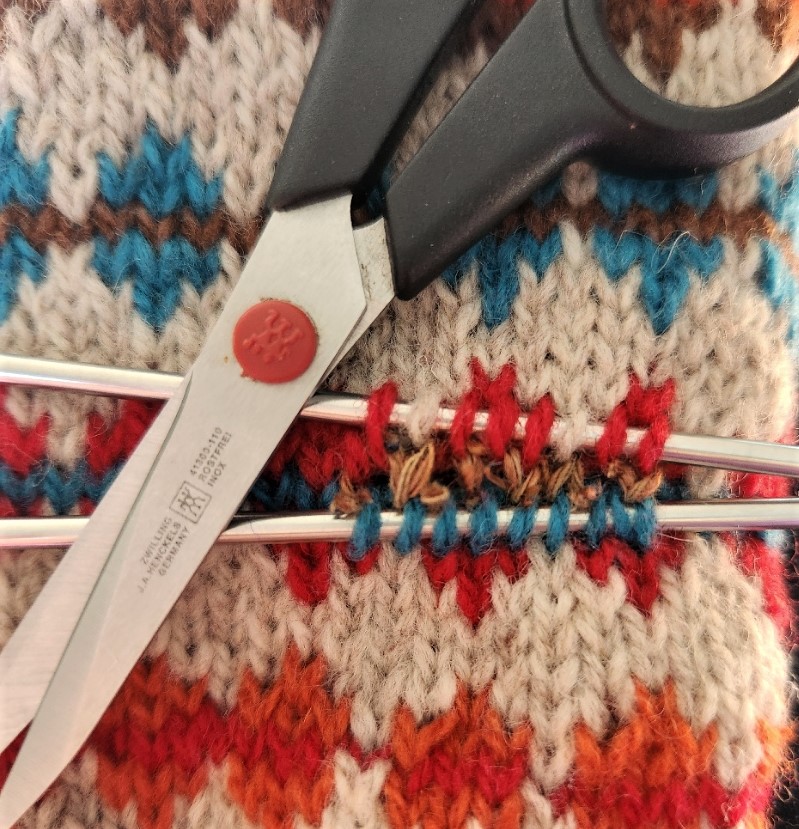
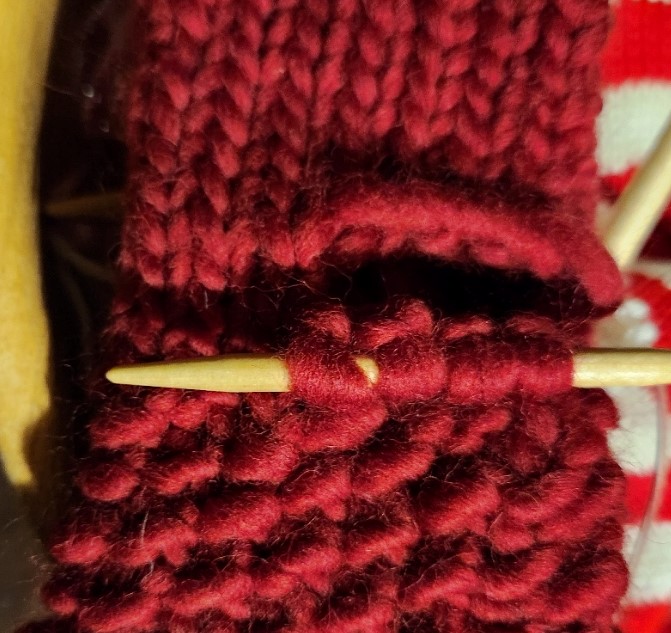
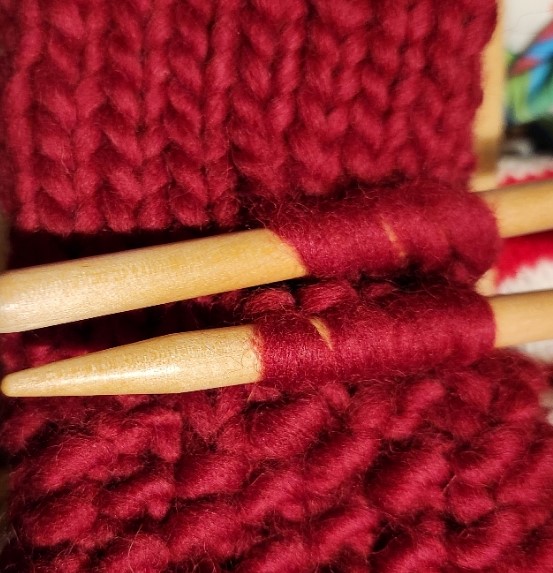
    1. Knit to thumb insertion point, place required sts onto some waste yarn (cable needle in picture – it was handy and the mittens were fast LOL!.
    2. Backwards loop same amount of sts as are on the waste yarn, continue knitting the mitten.
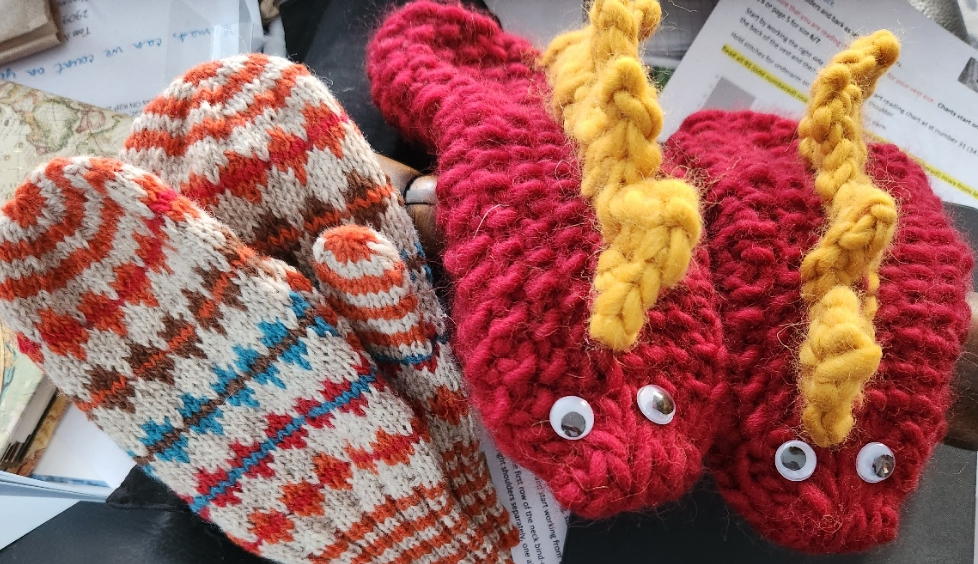
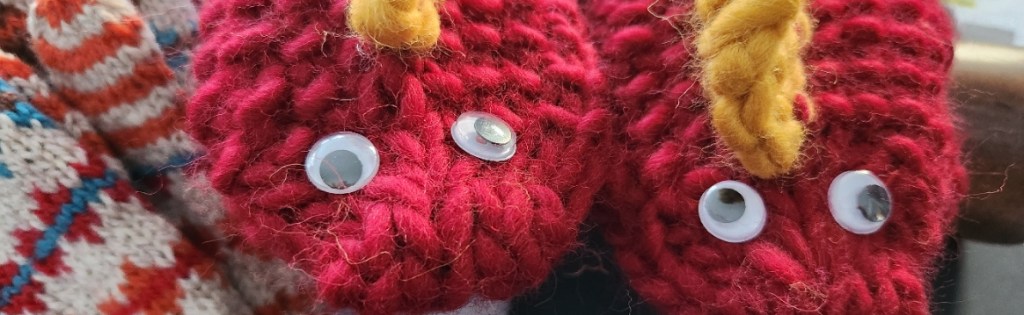
    My Grandson’s Christmas Mittens – Jester Mittens and the Monster Mittens

    There will probably be patterns for these mittens – just not sure when!

    Happy Mitten Knitting, Be Well!

    Lynette